


-
About UsHebei Derui Chemical Co., Ltd. (hereinafter referred to as Derui Chemical) was established in January 2006 with a registered capital of RMB 51.8 million. The company specializes in the production and sale of agrochemicals, with its main products including thiamethoxam technical grade, imidacloprid technical grade, spirotetramat technical grade, and related formulated products.

-
Product CenterThe company is committed to building and continuously improving its management systems, and in 2020 it obtained certifications under GB/T 19001-2016/ISO 9001:2015, GB/T 24001-2016/ISO 14001:2015, and GB/T 45001-2020/ISO 45001:2018. Derui Chemical has consistently upheld the corporate mission of “pursuing green development and serving global agriculture,” while adhering to the core values of “integrity, innovation, pragmatism, and gratitude.” The company is eager to collaborate with its partners to contribute to the advancement of global agriculture.
-
BlogThe company places great emphasis on standardized management and sustainable development, successfully obtaining certification for its three major management systems—quality, environment, and occupational health and safety—in 2020. These certifications align with GB/T 19001-2016/ISO 9001:2015, GB/T 24001-2016/ISO 14001:2015, and GB/T 45001-2020/ISO 45001:2018. Derui Chemical remains committed to its corporate mission of promoting green development and serving global agriculture, upholding the core values of “integrity, innovation, pragmatism, and gratitude.” We look forward to partnering with stakeholders from all sectors, pooling our strengths, and advancing together to support the steady growth of global agriculture.

Xinhua Insight | Central government ministries and commissions hold a flurry of meetings—how will this 2023 “people’s livelihood checklist” affect you and me?
Release Date:
2023-01-17
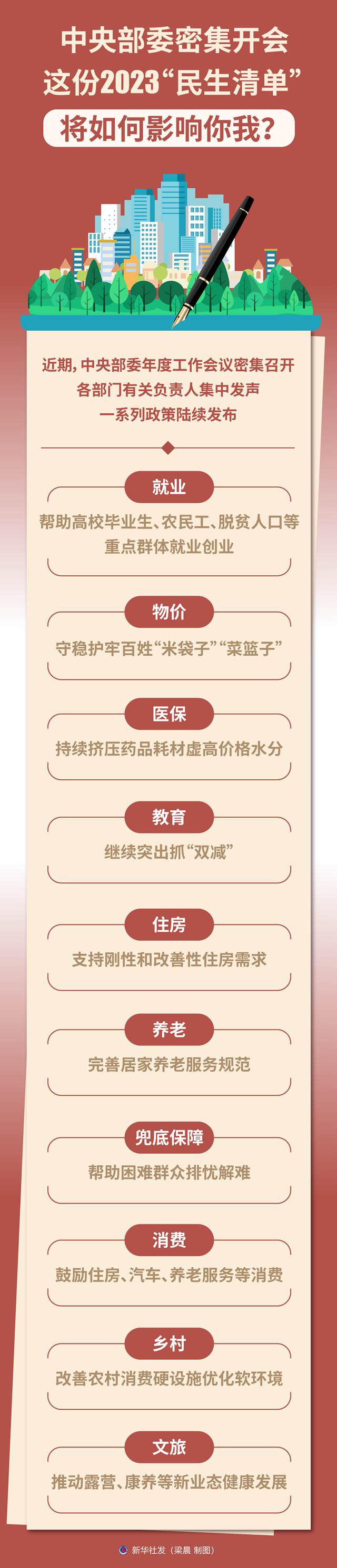
Recently, central government ministries and commissions have held a series of annual work conferences, with senior officials from various departments issuing statements one after another and a raft of policies being rolled out. Xinhua Viewpoint reporters have compiled key measures across multiple sectors that address pressing public concerns in 2023.
Employment: Supporting employment and entrepreneurship among key groups, including college graduates, rural migrant workers, and people who have been lifted out of poverty.
A relevant official from the Ministry of Human Resources and Social Security stated that the ministry will prioritize employment‑first policies, with a strong focus on supporting job creation and expansion in labor‑intensive service sectors, small and micro enterprises, and individual business households. The ministry will also promote the sound development of flexible employment, support the establishment of gig‑economy platforms, implement policies to safeguard the rights and interests of workers in new forms of employment, and continue piloting occupational injury insurance schemes.
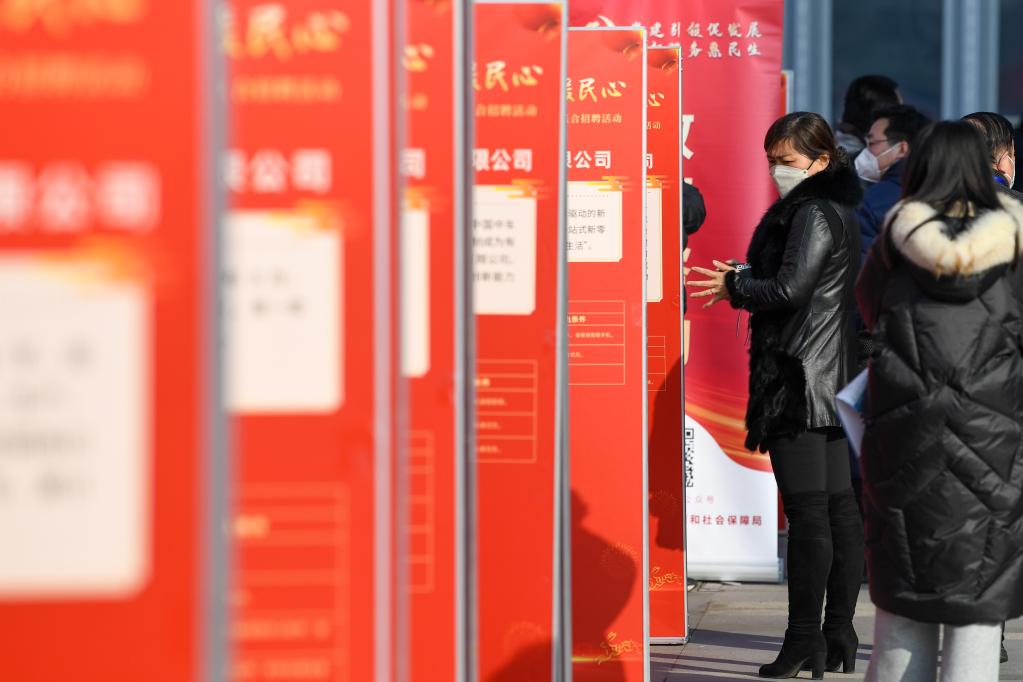
On January 11, job seekers reviewed recruitment postings at the job fair. Photo by Xinhua News Agency reporter Li Bo
This year, the number of college graduates is expected to reach 11.58 million. The Ministry of Human Resources and Social Security will prioritize their employment by launching targeted initiatives to support those who remain unemployed, providing tailored assistance to graduates facing difficulties, and further expanding the program to create one million internship opportunities, thereby helping young people who are out of work integrate into the labor market as quickly as possible.
With regard to employment for rural migrant workers, this year the Ministry of Human Resources and Social Security will refine the integrated urban–rural employment policy framework, give equal emphasis to both out-of‑area labor migration and local or nearby employment, strengthen mechanisms for labor‑service cooperation, and develop a number of distinctive labor‑service brands.
The fiscal authorities will also coordinate and leverage fiscal policy tools to provide multi‑channel support for stabilizing and expanding employment, helping key groups—including college graduates, rural migrant workers, and people who have been lifted out of poverty—find jobs and start businesses.
Prices: Safeguarding the People’s “Rice Bags” and “Vegetable Baskets”
Stable prices bring warmth to the people. For ordinary households, the seven essentials of daily life are all closely tied to price.
In recent times, local governments and relevant departments have implemented the central government’s directives, coordinating efforts to ensure supply and stabilize prices, thereby safeguarding the people’s “rice bowls” and “vegetable baskets.”
The National Development and Reform Commission will strengthen efforts to ensure the supply and stabilize prices of essential consumer goods, enforce the “vegetable basket” mayoral responsibility system, and enhance regulation of hog production capacity and adjustments to pork reserves. It will also activate, as appropriate, the mechanism linking social assistance and living‑standard subsidies to rising prices, and intensify price‑monitoring and regulatory measures.
Medical Insurance: Continuously Reducing Excessive Price Markups on Drugs and Medical Consumables
What major reforms are planned for the 2023 medical insurance system? The National Medical Security Work Conference held on January 12 provided the answer.
To continue curbing inflated prices for drugs and medical consumables, in 2023 new rounds of national centralized procurement of drugs and high-value medical consumables will be launched, while expanding the scope of local centralized procurement to cover more product categories, bringing the total number of drugs subject to national and provincial-level centralized procurement to 450. At the same time, efforts will be made to guide the rational pricing of COVID‑19 treatment medications.
The meeting also called for robust measures to ensure medical expense coverage for patients infected with COVID‑19 following the implementation of “Category B, Class II management,” facilitating direct settlement services for the public, expediting the processing of payments and settlements, and alleviating the financial burden on healthcare institutions providing treatment.
In addition, the coverage of interprovincial networked designated medical institutions for routine outpatient services and outpatient treatment of chronic and specific diseases will be further expanded, and the rate of direct interprovincial settlement of inpatient expenses will be steadily increased. Efforts will also be made to expand the pilot program for the long-term care insurance system, explore the establishment of effective independent funding and regulatory mechanisms, and improve the standard system for assessing disability levels.
Education: Continue to prioritize the “double reduction” policy.
The 2023 National Education Work Conference called for making new and significant progress in fulfilling the fundamental mission of fostering virtue and cultivating talent, and for accelerating the establishment and improvement of long-term mechanisms that promote students’ physical and mental well-being and all-round development.
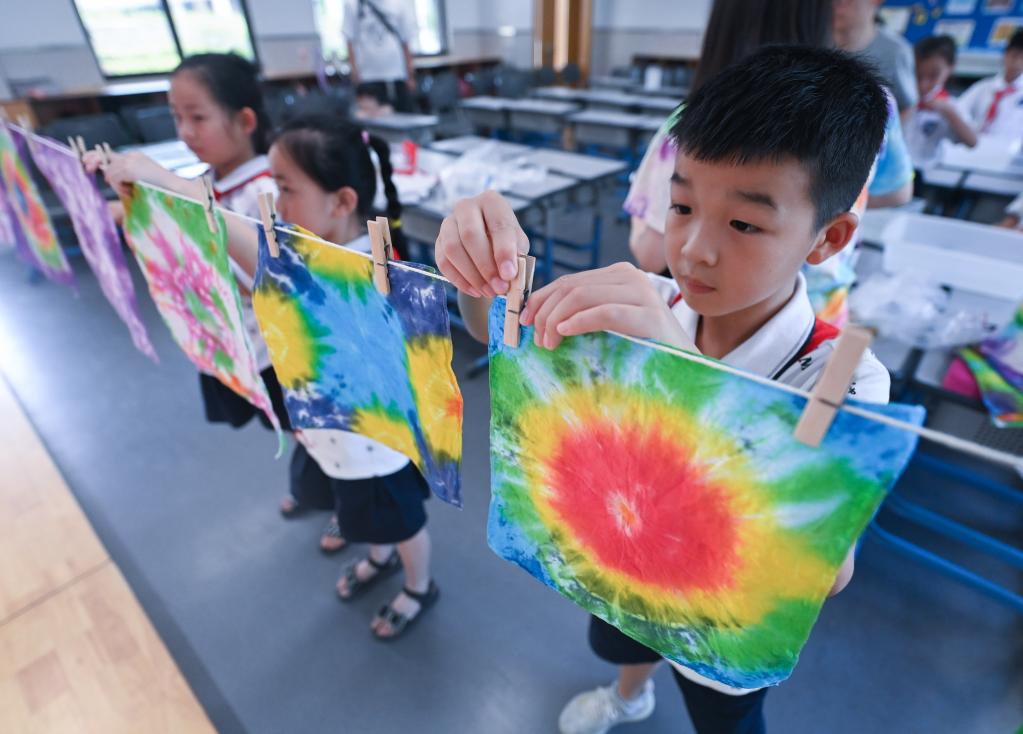
On August 10, 2022, students at Wuxing Experimental Primary School in Huzhou City hung their finished tie-dye creations in the classroom. Photo by Xinhua News Agency reporter Xu Yu.
In the realm of basic education, “greater equity and higher quality” have emerged as key priorities. Preschool and special education emphasize “inclusive development,” compulsory education focuses on “high-quality, balanced provision,” and senior secondary schools highlight “diversification.” The Ministry of Education has also stressed that in 2023, the “double reduction” policy will continue to be given top priority.
The meeting proposed adopting a range of measures to enable students who enter vocational education at an early stage to “return” to the mainstream system through a vertically integrated and horizontally interconnected framework, thereby allowing learners with diverse aptitudes to make multiple choices, pursue lifelong learning, and achieve diversified pathways to success.
To address issues such as the “large and all‑encompassing” nature and “homogenization” of higher education institutions, the meeting also called for accelerating reforms to establish a categorized management and evaluation system, guiding universities to develop distinctive strengths and achieve high standards on their respective tracks.
Housing: Supporting both first-time and upgrade housing demand
Supporting housing improvements, ensuring the stable development of the real estate market, and earnestly carrying out all tasks related to delivering homes on schedule, safeguarding people’s livelihoods, and maintaining social stability are the priorities of real estate policy in 2023.
Minister of Housing and Urban–Rural Development Ni Hong stated that robust support will be provided for the purchase of a first home, while reasonable assistance will be extended to those buying a second home. In principle, purchases of a third home or more will not be supported. At the same time, efforts will be stepped up to expand the supply of affordable rental housing and develop the long-term rental market, enabling new urban residents and young people to settle down more comfortably and pursue a better life with greater freedom and confidence.
At the same time, we must advance efforts to ensure housing delivery, safeguard people’s livelihoods, and maintain social stability; focus on defusing risks facing real estate developers; strive to enhance quality and build high‑quality homes; address the “health issues” of older buildings by studying and establishing three systems—building health assessments, elderly‑friendly housing, and property insurance—and work in concert to rectify order in the real estate market.
Recently, the People’s Bank of China and other authorities have established a dynamic adjustment mechanism for first-home mortgage interest rates and are exploring the launch of structural tools such as the Loan Support Program for Ensuring Delivery of Pre-Sold Homes and the Housing Rental Loan Support Program, which will help stabilize the real estate market.
Elderly Care: Improving Standards for In-Home Elderly Services
Surveys show that aging in place within one’s home and community is the preferred option for the vast majority of older adults in China. In 2023, the Ministry of Civil Affairs, in collaboration with the Ministry of Finance, will continue to implement the Initiative to Enhance Basic Home- and Community-Based Elderly Care Services, supporting pilot regions in establishing 100,000 family‑based care beds and providing in‑home elderly care services to 200,000 individuals.
In terms of refining the standards for home-based elderly care services, the Ministry of Civil Affairs will draft and issue the “Basic Standards for In-Home Elderly Care Services” in 2023. By standardizing service content, procedures, evaluation, and continuous improvement, the initiative aims to enhance the overall quality of these services.
In addition, relevant documents will be studied and formulated to promote the standardized development of family‑based nursing beds, integrating professional care with remote support, smart assistive technologies, and other measures, so that older adults with disabilities can receive institutional‑level professional care services in the comfort of their own homes.
Safety Net: Helping Those in Need Alleviate Their Worries and Resolve Their Difficulties
In 2023, the Ministry of Civil Affairs will accelerate efforts to improve and refine a tiered, categorized social assistance system.
As of the end of October 2022, 40.177 million people in China were receiving urban and rural subsistence allowances. In the new year, the Ministry of Civil Affairs will, as needed, appropriately expand coverage and enhance effectiveness, strengthen targeted assistance for those on the margins of subsistence allowance eligibility and for households facing poverty due to high expenditures, and ensure basic living support for people affected by epidemics or disasters, thereby preventing large-scale relapse into poverty.
In addition, the Ministry of Civil Affairs will fully implement the policy of providing temporary assistance at the site where emergencies or hardships occur, thereby facilitating access to aid for those temporarily in need.
In terms of employment safety-net support, the Ministry of Human Resources and Social Security stated that it will strengthen employment assistance for those in need, ensuring that at least one member of every zero‑employment household secures a job. It will also bolster livelihood protection for the unemployed, promptly disburse all unemployment insurance benefits, and enhance coordination between subsistence assistance and employment promotion.
The Ministry of Finance stated that in 2023, fiscal revenue and expenditure imbalances will remain pronounced, but there will be no rollback in spending on people’s livelihoods. In 2023, the social security system will be further improved to ensure the basic living needs of those facing hardship due to the pandemic or disasters, as well as vulnerable groups such as the elderly, the infirm, the sick, and persons with disabilities.
Consumption: Encourage spending on housing, automobiles, elderly care services, and more.
The National Development and Reform Commission will increase urban and rural residents’ incomes through multiple channels, with a particular focus on boosting the purchasing power of low- and middle-income households—whose consumption propensity is high but who have been significantly affected by the pandemic. It will also support consumption in areas such as housing upgrades, new-energy vehicles, and elderly care services, helping key sectors and major commodities to sustain their recovery. Furthermore, it will promote the deep integration of online and offline channels and leverage new technologies and applications to enhance the shopping experience.
The Ministry of Commerce will continue to implement a series of policies and measures aimed at expanding automobile consumption; launch trade-in programs for home appliances, promoting the rollout of green and smart appliances to rural areas; and facilitate the recovery and growth of sectors such as catering and accommodation.
To further restore and revitalize consumption scenarios, the Ministry of Commerce recently announced the first batch of national demonstration smart business districts and smart stores, and will guide localities in developing smart business districts and smart stores tailored to their specific conditions, delivering a fresh and innovative experience to consumers.
Guo Shuqing, Secretary of the Party Committee of the People’s Bank of China and Chairman of the China Banking and Insurance Regulatory Commission, stated that in 2023, priority will be given to meeting the needs of new urban residents by developing more market‑oriented financial products and encouraging consumption of major durable goods such as housing and automobiles. At the same time, comprehensive financial support for service‑related consumption will be strengthened in key areas including education, culture, sports, and entertainment.
Rural Areas: Enhancing Physical Infrastructure and Optimizing the Soft Environment for Rural Consumption
In 2023, the Ministry of Agriculture and Rural Affairs will introduce more effective and robust measures to accelerate the revitalization of rural markets and unlock farmers’ consumption potential.
The Ministry of Agriculture and Rural Affairs will focus on both the supply side and distribution channels, encouraging localities to expand the production of green, organic, geographically indicated, and specialty high-quality agricultural products. It will also work to broaden e‑commerce and logistics‑express delivery coverage in rural areas, while striving to upgrade rural infrastructure and enhance the business environment.
In rural development, it is promising that a number of on-site storage and fresh‑preservation facilities, cold‑chain distribution centers, and large‑scale cold‑chain logistics hubs will be planned and built, with priority given to projects such as industrial roads, resource‑access roads, and tourism roads—infrastructure that both enhances daily life and boosts production.
Culture and tourism: Promoting the sound development of emerging business models such as camping and health-and-wellness tourism.
At the start of the new year, 15 tourist resorts, including Beidaihe, were newly designated as national-level tourist resorts. As epidemic prevention and control enters a new phase, many people have already put travel on their agendas.

Tourists stroll through the Jin Yan’an Cultural Tourism Industrial Park (photo taken on January 14). Xinhua News Agency photo by Zou Jingyi.
In 2023, the cultural and tourism authorities will systematically carry out the assessment and re‑evaluation of 5A‑level tourist attractions and national-level tourist resorts; release the first batch of the National List of China’s Premium‑Grade Tourism Resources; coordinate and advance the construction of the Great Wall, Grand Canal, Long March, Yellow River, and Yangtze River National Cultural Parks; foster a number of rural tourism clusters; and promote the sound development of emerging tourism formats such as camping tourism, health‑and‑wellness tourism, and industrial tourism.
In addition, the cultural and tourism authorities will establish an annual mechanism for recommending outstanding works and build a system for the dissemination and promotion of the arts. They will implement the “New Public Cultural Spaces” action plan, deepen the development of a hub-and-spoke model for county-level cultural centers and libraries, and vigorously advance the national smart library system and the public cultural cloud‑based project. (Reporters: Shu Jing, Gao Lei, Xu Zhuang, Peng Yunjia, Jiang Lin, Xie Xiyao, Wu Yu, Yu Wenjing, Wang Youling, Shen Cheng, Pan Jie)
Tags:
More information
Contact Us
Address:
No. 1, No. 1, New District Road No. 1, Gaocheng District, Shijiazhuang City, Hebei Province
WeChat/WhatsApp:
Phone:
Email:
