


-
About UsHebei Derui Chemical Co., Ltd. (hereinafter referred to as Derui Chemical) was established in January 2006 with a registered capital of RMB 51.8 million. The company specializes in the production and sale of agrochemicals, with its main products including thiamethoxam technical grade, imidacloprid technical grade, spirotetramat technical grade, and related formulated products.

-
Product CenterThe company is committed to building and continuously improving its management systems, and in 2020 it obtained certifications under GB/T 19001-2016/ISO 9001:2015, GB/T 24001-2016/ISO 14001:2015, and GB/T 45001-2020/ISO 45001:2018. Derui Chemical has consistently upheld the corporate mission of “pursuing green development and serving global agriculture,” while adhering to the core values of “integrity, innovation, pragmatism, and gratitude.” The company is eager to collaborate with its partners to contribute to the advancement of global agriculture.
-
BlogThe company places great emphasis on standardized management and sustainable development, successfully obtaining certification for its three major management systems—quality, environment, and occupational health and safety—in 2020. These certifications align with GB/T 19001-2016/ISO 9001:2015, GB/T 24001-2016/ISO 14001:2015, and GB/T 45001-2020/ISO 45001:2018. Derui Chemical remains committed to its corporate mission of promoting green development and serving global agriculture, upholding the core values of “integrity, innovation, pragmatism, and gratitude.” We look forward to partnering with stakeholders from all sectors, pooling our strengths, and advancing together to support the steady growth of global agriculture.

An Extraordinary Decade: Ten Dimensions of China
Release Date:
2022-11-04
|
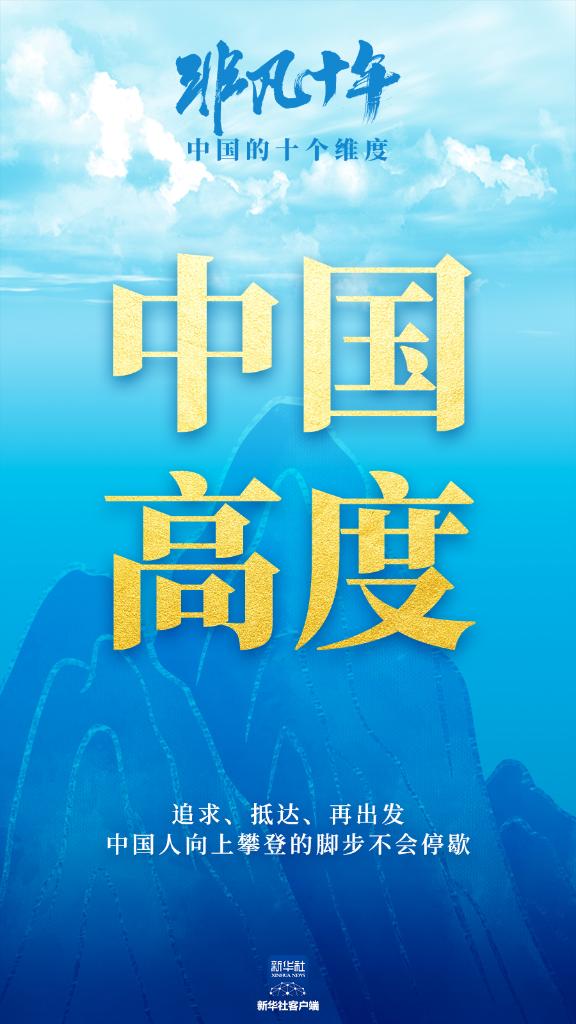
From 2012 to 2022, as China advanced along the historic journey toward national rejuvenation, the Chinese people wrote an era marked by extraordinary and remarkable achievements. Since the 18th National Congress of the Communist Party of China, the Party Central Committee with Comrade Xi Jinping at its core has united and led the people of all ethnic groups across the country, adopted a series of strategic initiatives, advanced a range of transformative practices, achieved a host of groundbreaking advances, and secured a number of landmark accomplishments, thereby propelling the cause of the Party and the country to attain historic achievements and undergo historic transformations. One key project after another, one national strategic asset after another, and one breakthrough after another—throughout the great transformations of the new era, distinctive hallmarks across multiple dimensions have borne witness to China’s extraordinary decade. China's height
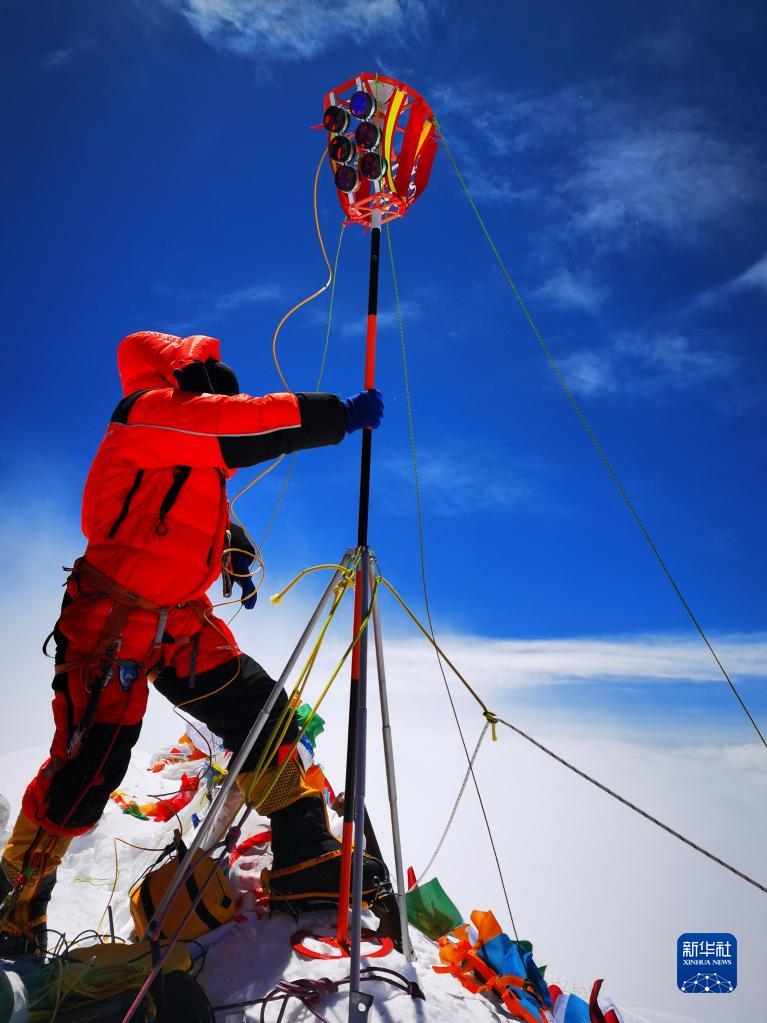
This is a climb toward one’s dreams. 8,848.86 meters! On May 27, 2020, the Five-Star Red Flag was once again hoisted atop the world’s highest peak. Members of the Mount Everest elevation measurement climbing team, who successfully reached the summit, connected with Everest Base Camp to broadcast high-definition video footage in real time.
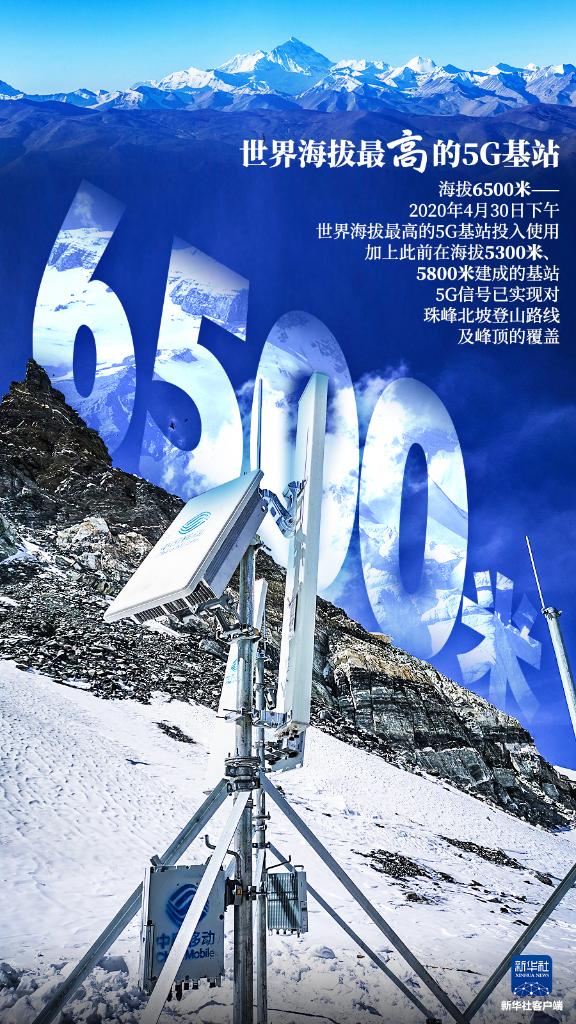
Members of the 2020 Mount Everest Elevation Measurement Climbing Team carry out surveying work at the summit of Mount Everest (photographed on May 27, 2020). Photo by Xinhua News Agency special correspondent Zhaxi Ciren. How does the 5G signal reach the top of the world? In April 2020, departing from Everest Base Camp at an altitude of 5,200 meters, a team of 40 cable‑laying workers carried transmission optical cables on their shoulders, accompanied by a transport convoy of 46 yaks, and trekked along glacial mountain paths to deliver nearly eight tons of construction materials, successfully completing the installation of specialized transmission optical cables. At an altitude of 6,500 meters, the world’s highest 5G base station was put into service on the afternoon of April 30. Together with the previously built stations at 5,300 meters and 5,800 meters, 5G coverage now extends along the north‑side climbing route to Mount Everest and all the way to the summit.
It’s not just 5G signals that are reaching new heights. The Lhasa–Linzhi Railway, the world’s highest-altitude electrified railway, traverses the snowy plateau, with its highest elevation reaching 3,650 meters. The world’s highest-altitude civilian airport—Sichuan Daocheng Yading Airport—stands at an elevation of 4,411 meters. The world’s highest railway station—the Tanggula Station on the Qinghai–Tibet Railway—stands at an elevation of 5,068 meters. The world’s highest-altitude grid-connected photovoltaic power station—the Yangyi Photovoltaic Power Station in Tibet—stands at an elevation of 4,700 meters. …… China’s development has reached a new height: since the 18th National Congress of the Communist Party of China, the country’s GDP has grown from RMB 53.9 trillion to RMB 114.4 trillion, and per capita GDP has risen from US$6,300 to over US$12,000. For many years, China’s contribution to global economic growth has exceeded 30%. The Chinese people’s journey of striving, reaching new heights, and setting out once again will never cease. China Speed
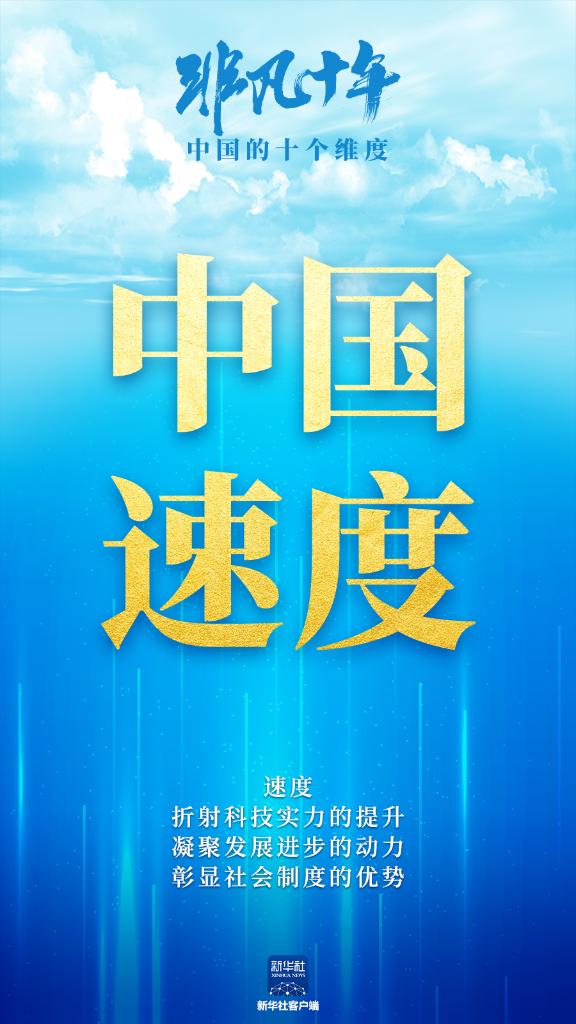
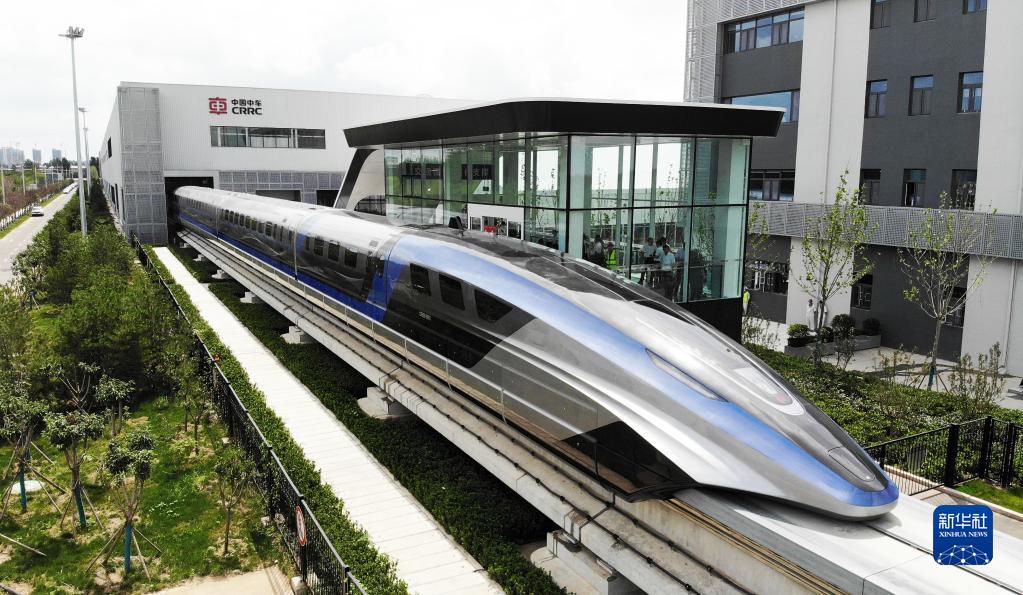
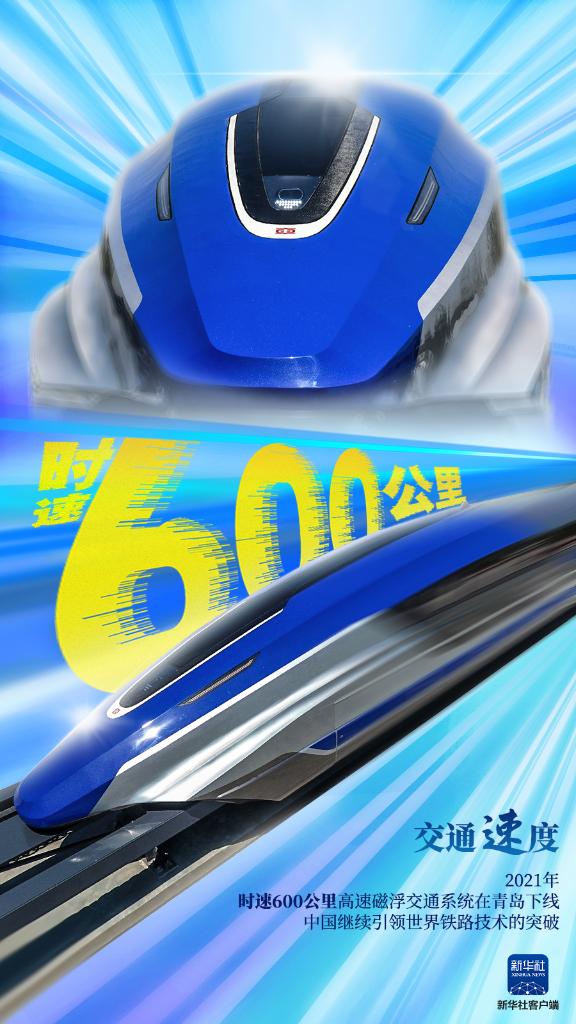
In 2021, a 600 km/h high-speed maglev transportation system rolled off the production line in Qingdao, further cementing China’s leadership in groundbreaking railway technology; meanwhile, the unveiling of “Jiuzhang” and “Zu Chongzhi” has enabled Chinese quantum computers to achieve world‑leading computational power…
This is a 600 km/h high-speed maglev transportation system, photographed in Qingdao, Shandong Province (drone photo, taken on July 20, 2021). Photo by Xinhua News Agency reporter Li Ziheng. Speed—reflecting the advancement of technological prowess— On December 10, 2021, the Long March‑4B carrier rocket was successfully launched, officially bringing the total number of launches for China’s Long March series to 400. Thirty-seven years, seven and a half years, just over four years, and 33 months—these are the time spans required for the Long March series to achieve its first three “100‑launch milestones,” underscoring the accelerating pace of China’s space exploration.
Speed, the driving force that fuels development and progress— Fiber-optic network access bandwidth has grown exponentially, from 10 Mbps to 100 Mbps and then to 1 Gbps; mobile networks have advanced from a “3G breakthrough” to “4G synchronization” and now to “5G leadership,” with broadband coverage now reaching every administrative village nationwide. Over the past decade, China’s information and communications sector has achieved iterative leaps, building the world’s largest and most technologically advanced network infrastructure and ensuring smooth flow of information—the vital “artery” of economic and social development. Speed, a testament to the strengths of our social system— Huoshenshan Hospital and Leishenshan Hospital rose from the ground in just over ten days, swiftly transforming medical resources and supplies from acute scarcity to a state of dynamic equilibrium, while nucleic acid testing kits were developed at record speed. These rapid, decisive responses throughout the fight against COVID‑19 epitomize a spirit of solidarity and mutual assistance—a profound sense of national unity—and serve as a vivid illustration of the strengths of China’s institutional system. China's span
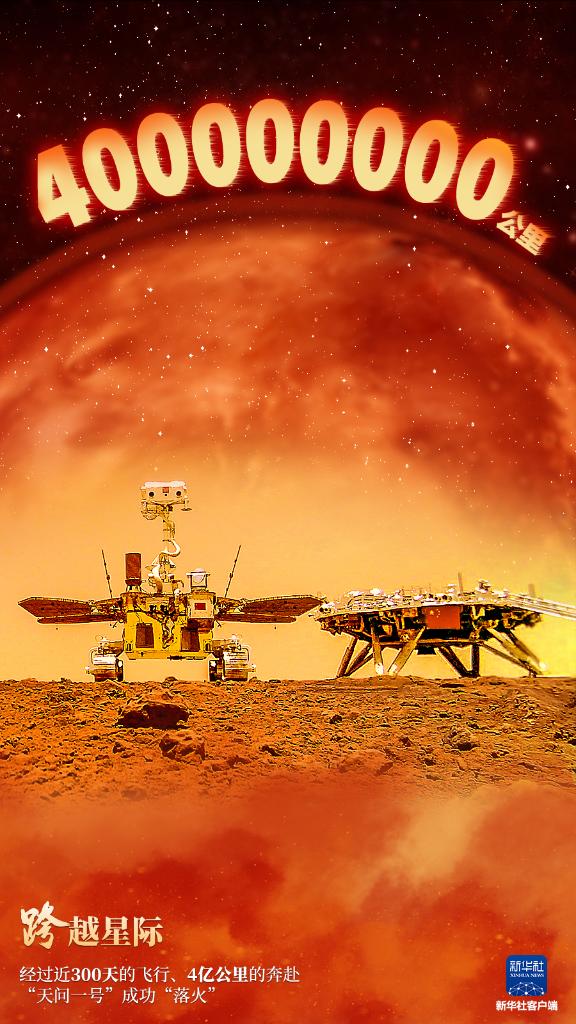
After nearly 300 days of flight and a journey spanning 400 million kilometers, Tianwen-1 successfully landed on Mars. Chang’e-4 made the first-ever landing on the far side of the Moon, approximately 380,000 kilometers from Earth.
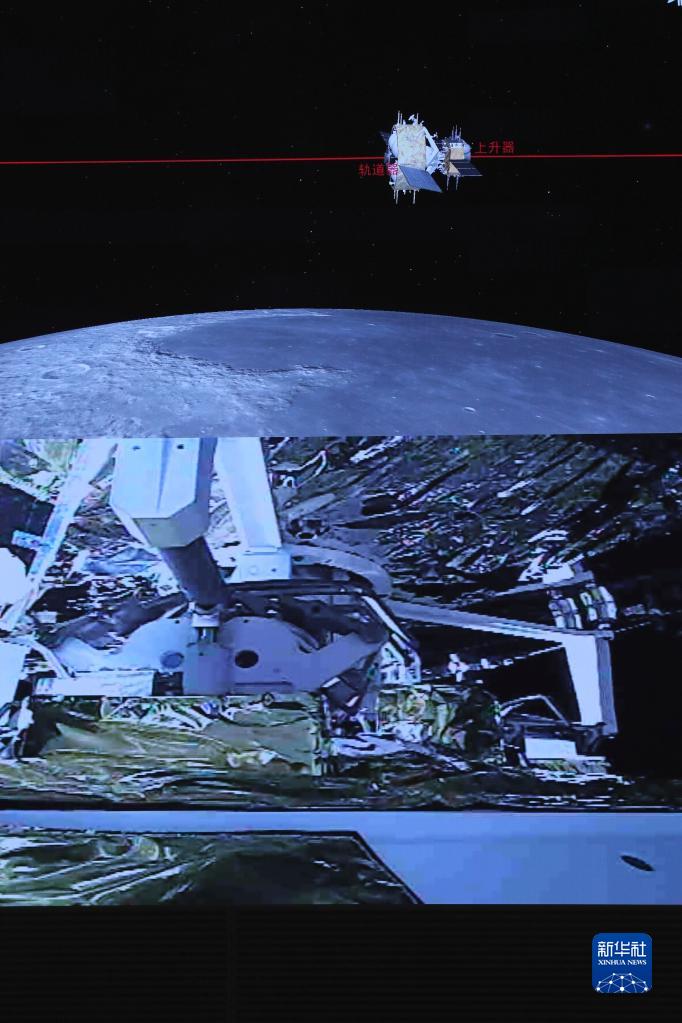
This image, captured in the command hall of the Beijing Aerospace Flight Control Center, shows the rendezvous and docking of the Chang’e‑5 ascender with the orbiter‑returner combination (photographed on December 6, 2020). Photo by Xinhua News Agency reporter Jin Liwang. China’s first solar exploration science and technology test satellite, “Xihe,” operates in a sun-synchronous orbit with an average altitude of 517 kilometers… “Exploring Mars,” “Racing to the Moon,” and “Chasing the Sun”—our journey across the stars is a path we have never ceased to follow.
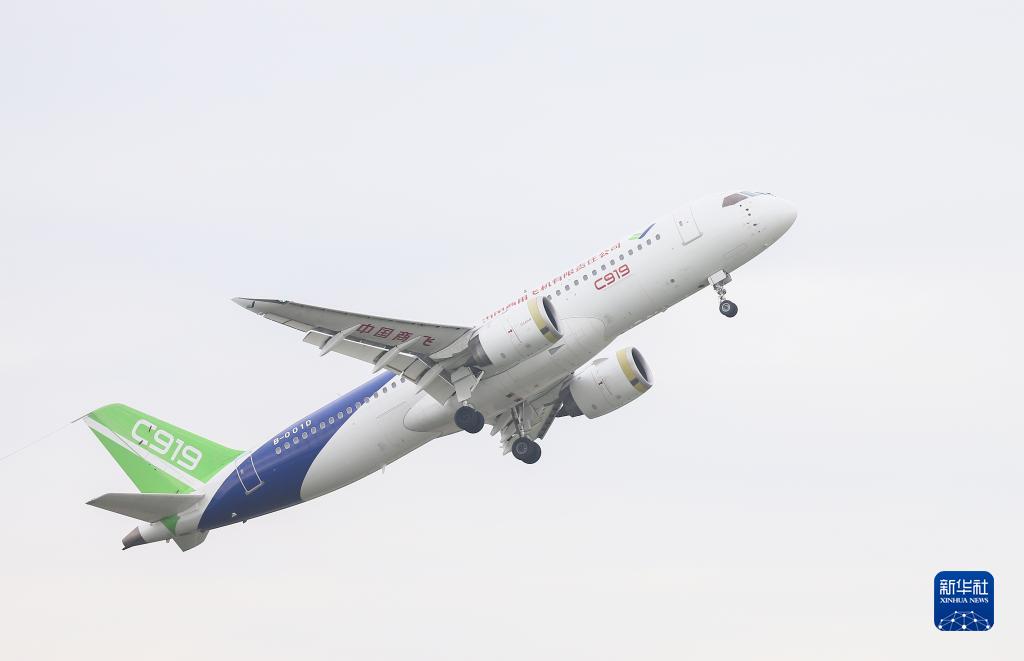
Spanning time and space, it also bears witness to the resolute strides of China in the new era. Across the land, “bridges” are forging “connectivity.” One major project after another spans mountains and rivers, crosses seas, infusing a dynamically flowing China with even greater vitality. On the Lingding Sea, the Hong Kong–Zhuhai–Macao Bridge, with a total length of approximately 55 kilometers, stretches like a giant dragon, spanning three regions in a single seamless structure. High in the Tianshan Mountains, construction is underway on the Tianshan Shengli Tunnel, a critical section of the Urumqi–Yutian Highway, which stretches 22.1 kilometers. Upon completion, this “heavenly road through the snowfields” will traverse the Tianshan range, becoming a path of prosperity that connects northern and southern Xinjiang. Across the land, “innovation” is driving “leapfrog development.” One high‑tech product after another has become a testament to China’s commitment to an innovation‑driven development strategy. In September 2022, the C919 large passenger aircraft successfully obtained its type certificate, marking a major milestone in China’s large‑aircraft program. Since the project was launched 15 years ago, it has overcome countless challenges and difficulties, serving as a testament to the remarkable progress of China’s aviation industry.
This is a test aircraft of the C919 large passenger jet, photographed in Pucheng County, Shaanxi Province (photo taken on July 18, 2022). Photo by Xinhua News Agency reporter Ding Ting. Over the past decade, the quality of China’s high‑tech products has improved significantly. Driven by breakthroughs achieved by a number of central enterprises, major national projects such as China’s high-speed rail, manned spaceflight, and the BeiDou Navigation Satellite System have become new symbols of China’s technological prowess. China Precision
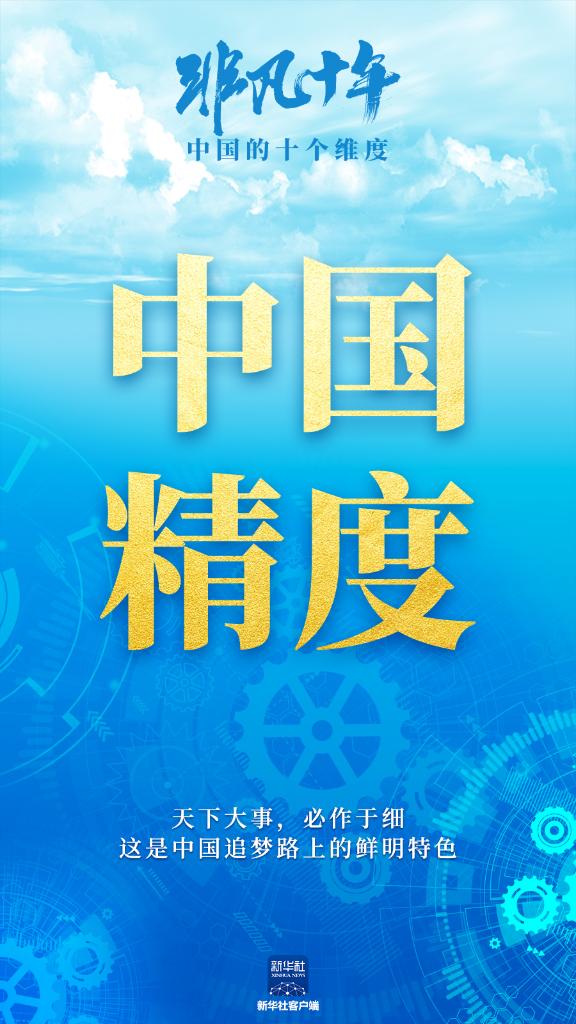
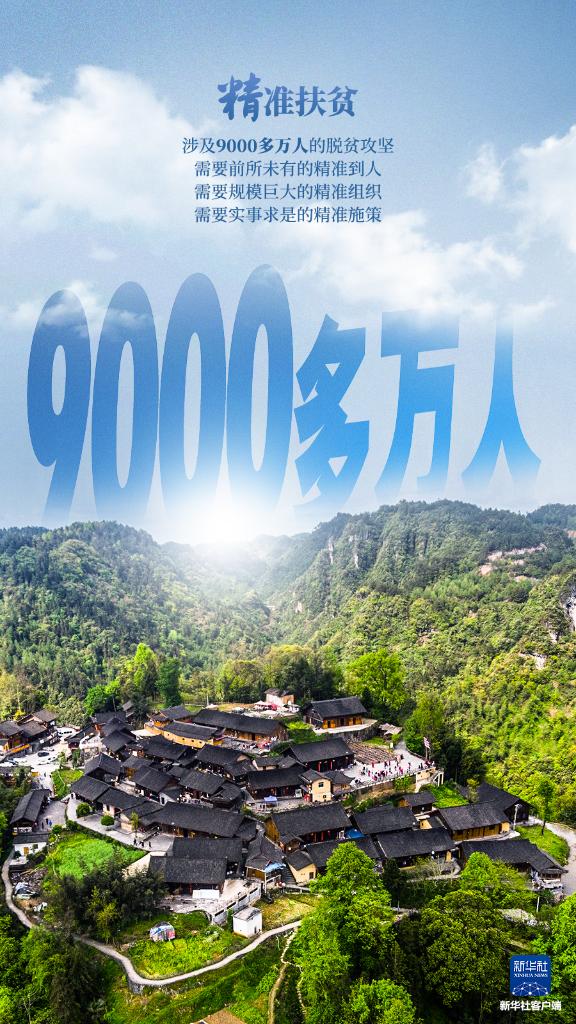
On the morning of December 6, 2020, a “cosmic delivery” was being handed over. In just 21 seconds—first a gentle embrace, then a firm grasp—a textbook‑perfect rendezvous and docking enabled the lunar samples, painstakingly collected through countless challenges, to embark on their journey back to Earth in one seamless step. “The space‑threading” is both thrilling and romantic, backed by a microwave radar that operates within a 100‑kilometer measurement range and achieves ranging accuracy down to 0.2 meters. A nation’s critical tools are forged through the relentless pursuit of precision. 0.01 millimeter—this is the diameter of an ultra‑small‑diameter milling cutter, barely one‑eighth the thickness of a human hair; ±0.06 arcseconds—this is the highest measurement accuracy achievable by a nanometer‑scale time grating, equivalent to one sixty‑thousandth of a degree within a 360‑degree circle, pushing the limits of current metrological instruments. To embrace the vast and pursue the minute. The battle against poverty, which has involved more than 90 million people, has required an unprecedented level of precision—nearly 20 million person‑visits to villages and households to carry out dynamic management of the impoverished population and collect relevant data; it has demanded large‑scale, meticulously coordinated efforts—assigning a dedicated responsible person to each household and establishing assistance teams in every village; and it has called for pragmatic, evidence‑based policies—implementing the “Six Precisions” and the “Five Batches” tailored to the specific causes of poverty, with measures designed to suit local conditions and individual circumstances.
Opening the 14th Five-Year Plan, which outlines China’s development from 2021 to 2025, one finds that this “large” document contains numerous detailed provisions: average life expectancy is set to increase by one year; PM2.5 concentrations in prefecture-level and above cities are to be reduced by 10%; and the number of registered nurses per thousand people is to rise to 3.8. Great undertakings in the world must begin with small steps. This is a defining characteristic of China’s journey toward realizing its dreams. China's Depth
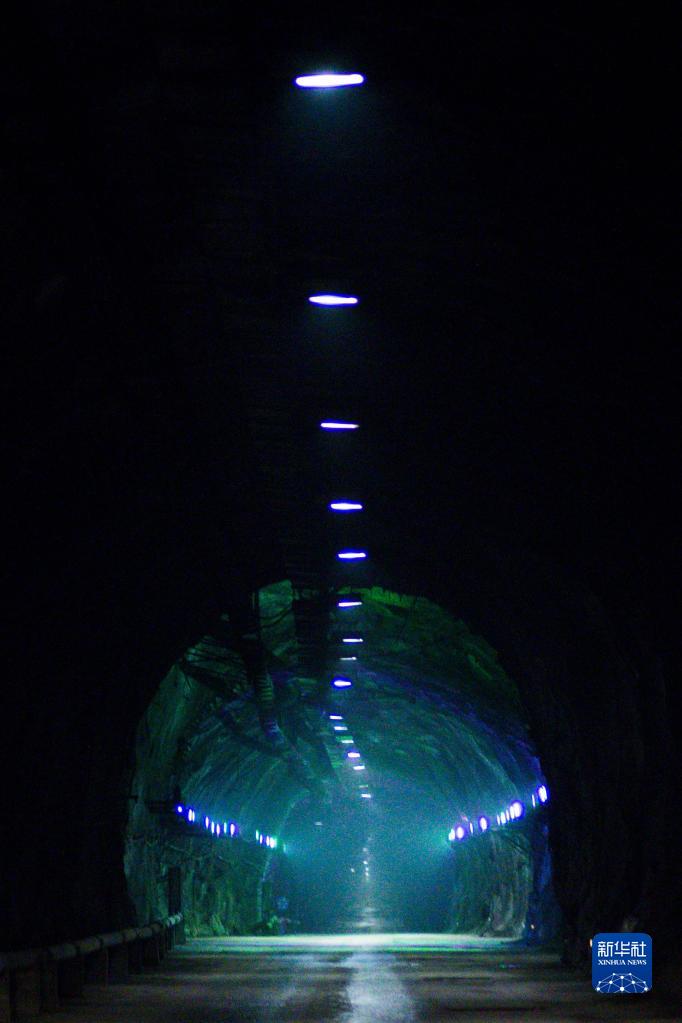
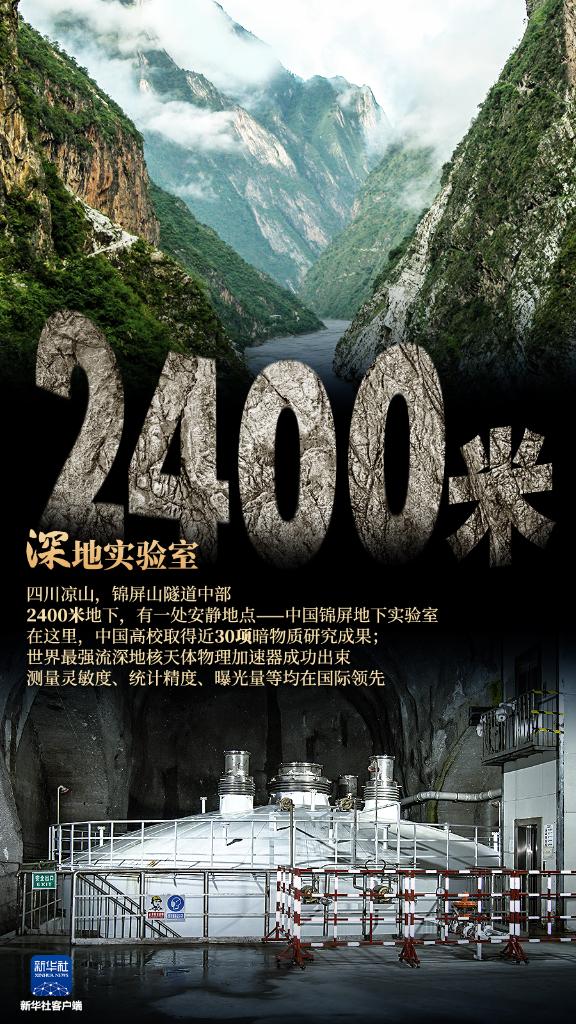
Where is the world’s deepest laboratory? In Liangshan, Sichuan, 2,400 meters underground at the midpoint of the Jinping Mountain Tunnel, lies a tranquil site—the China Jinping Underground Laboratory.
This is the Jinping Mountain Tunnel, located in the Liangshan Yi Autonomous Prefecture of Sichuan Province. China’s Jinping Underground Laboratory lies at the tunnel’s midpoint, with the towering Jinping Mountain rising above it (photo taken on December 24, 2014). Photo by Xinhua News Agency reporter Shen Bohan. Building deep‑earth laboratories was once the exclusive domain of developed countries. In the early years of this century, two hydropower stations were constructed at Jinping Grand River Bend, and the tunnel was later completed. Tsinghua University, which was seeking a site for dark‑matter research, reached out to China Investment Corporation’s Yalongjiang River Basin Hydropower Development Co., Ltd., hoping to utilize the tunnel for its experiments. In just a year and a half, the laboratory was brought online. Compared with other underground laboratories worldwide, this facility boasts the deepest rock overburden, the lowest cosmic-ray flux, and ample usable space, thereby helping China advance to the global forefront in dark matter and astrophysics research. Here, Chinese universities have achieved nearly 30 research breakthroughs in dark matter; the world’s most powerful deep‑underground nuclear astrophysics accelerator has successfully delivered its first beam, with measurement sensitivity, statistical precision, and exposure levels all ranking among the international forefront.
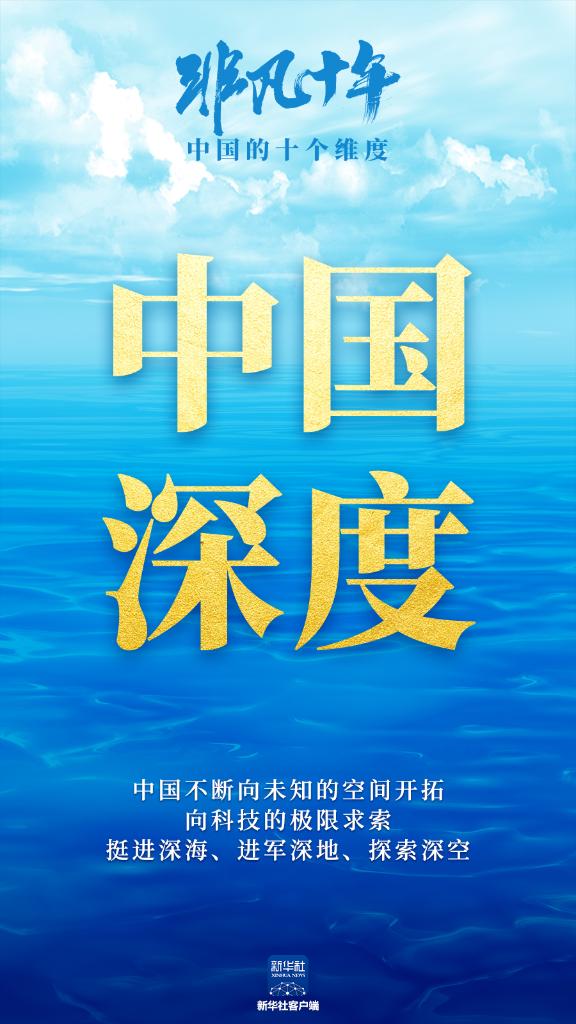
China continues to push into the unknown, explore the frontiers of science and technology, and venture into the deep sea, the deep earth, and outer space— Deep Sea—In 2020, China’s “Fendouzhe” manned submersible reached the bottom of the Mariana Trench, the “Fourth Pole of the Earth,” at a depth of 10,909 meters. In 2021, China’s first self‑operated, 1,500‑meter‑deepwater gas field, “Deep Sea No. 1,” was brought on stream, marking a leap forward in offshore oil and gas exploration and development into the “ultra‑deepwater” frontier. Shenjing—In 2022, in the Tarim Basin, PetroChina commenced drilling its first ultra-deep well exceeding 9,000 meters, marking another significant advance in the company’s ultra-deep well‑drilling capabilities. Deep Space—China’s “Sky Eye”—has extended China’s space tracking and control capabilities from geostationary orbit to the outer reaches of the solar system. The Chinese Deep Space Tracking Network, comprising the Jiamusi Deep Space Station, the Kashgar Deep Space Station, and the Argentine Deep Space Station, achieves a coverage rate exceeding 90%. China's strength
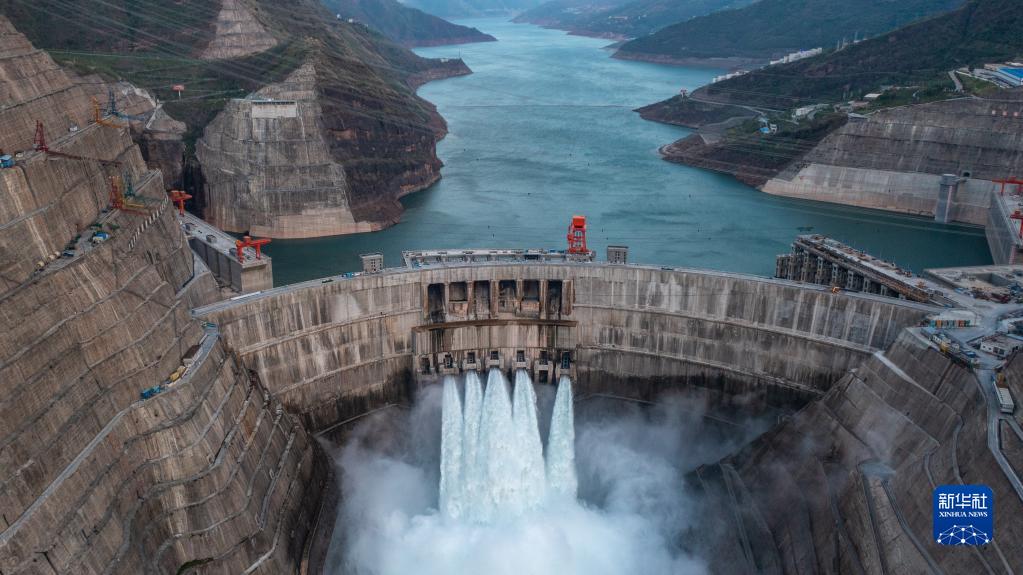
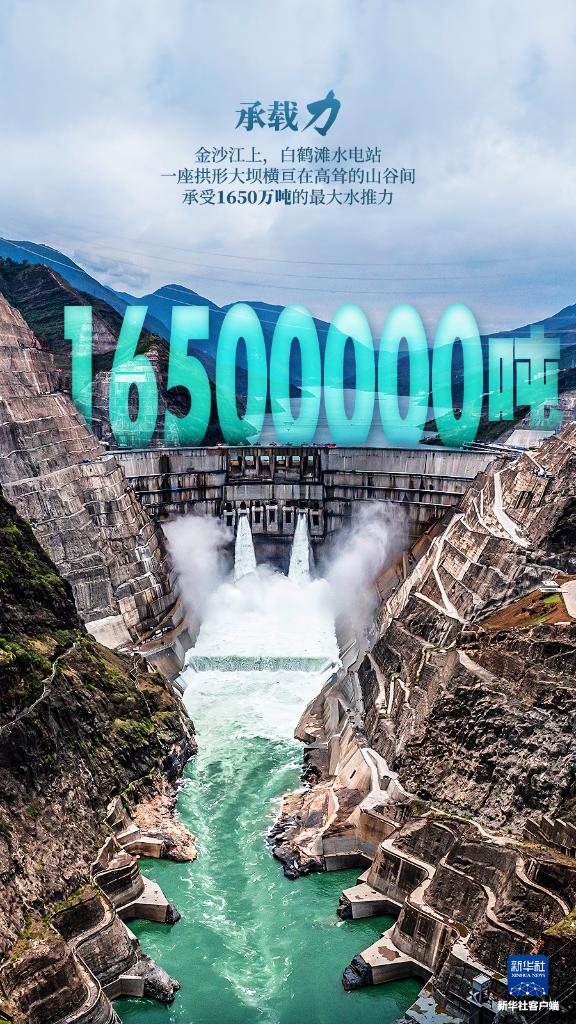
On the Jinsha River, the Baihetan Hydropower Station features an arch dam that spans a towering canyon, bearing a maximum water thrust of 16.5 million tons.
This is the Baihetan Hydropower Station (drone photo, taken on May 29, 2022). Photo by Xinhua News Agency reporter Hu Chao. At the Wenchang Space Launch Site in Hainan, the Long March‑5B carrier rocket launched the Tianhe core module of China’s space station into orbit. Dubbed “Fat Five,” this is China’s largest launch vehicle for low Earth orbit, with a liftoff mass of approximately 850 tonnes and a low Earth orbit payload capacity of around 25 tonnes. In Zhuzhou, Hunan Province, the “Shen 24” electric locomotive—boasting a single-unit power of 28,800 kilowatts and a tractive effort of 2,280 kilonewtons—is capable of hauling a 10,000-ton freight train on a 12‰ gradient…
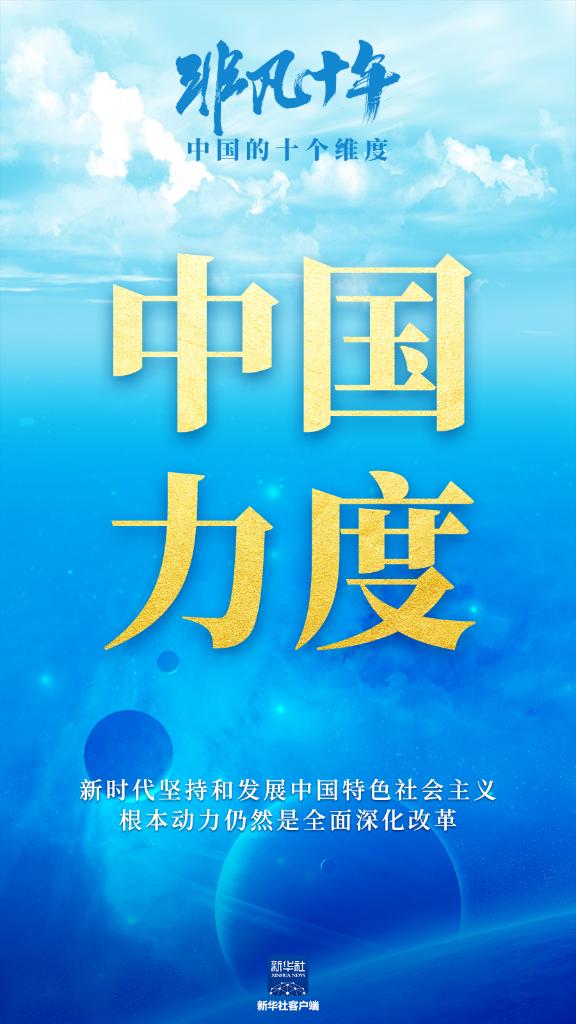
“In the new era, the fundamental driving force for upholding and developing socialism with Chinese characteristics remains the comprehensive deepening of reform.” Comprehensive deepening of reform has advanced in both breadth and depth. Over the past decade, China’s reforms have been comprehensively intensified, achieving breakthroughs across multiple fronts, moving swiftly yet steadily, and advancing in a sustained, in-depth manner. The foundational institutional frameworks in various fields have largely taken shape, and many sectors have undergone historic transformations, systemic reshaping, and holistic reconstruction. Comprehensively deepening reform has further liberated and developed social productive forces. We have steadfastly ensured that the market plays a decisive role in resource allocation, enabling all types of market entities to unleash greater vitality and seize broader opportunities to drive economic growth and generate wealth. The total number of market entities in China has surpassed 160 million, supporting nearly 300 million jobs and serving as a key engine of economic development. From the reform of separating the three rights related to rural contracted land to the pilot program for reforming the residential land‑use system, a series of institutional innovations has unleashed tremendous endogenous momentum. From reforms of the judicial system and the ecological‑civilization system to efforts to improve the housing and medical‑health systems, one wave after another of concrete reform measures has addressed the pressing concerns, difficulties, and expectations of the people, thereby enhancing their well‑being. Creating opportunities through openness and solving challenges through cooperation: The Foreign Investment Law and the Regulations on Optimizing the Business Environment have come into effect, abolishing the case-by-case approval system for foreign investment; all prefecture-level and above cities nationwide have been authorized to handle registration of foreign-invested enterprises, and customs clearance has become even more streamlined; trade platforms such as the Canton Fair, the China International Import Expo, and the China International Fair for Trade in Services have been established… With an open posture, China is embracing the world, unleashing a powerful surge of development, and injecting strong momentum into the global economy. China's Depth
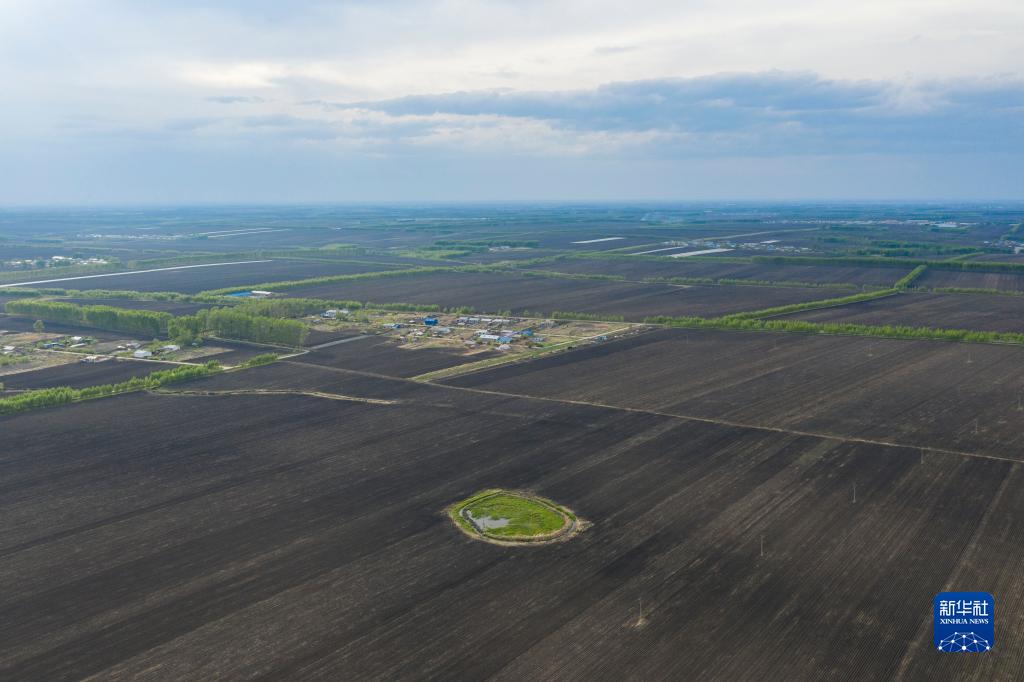
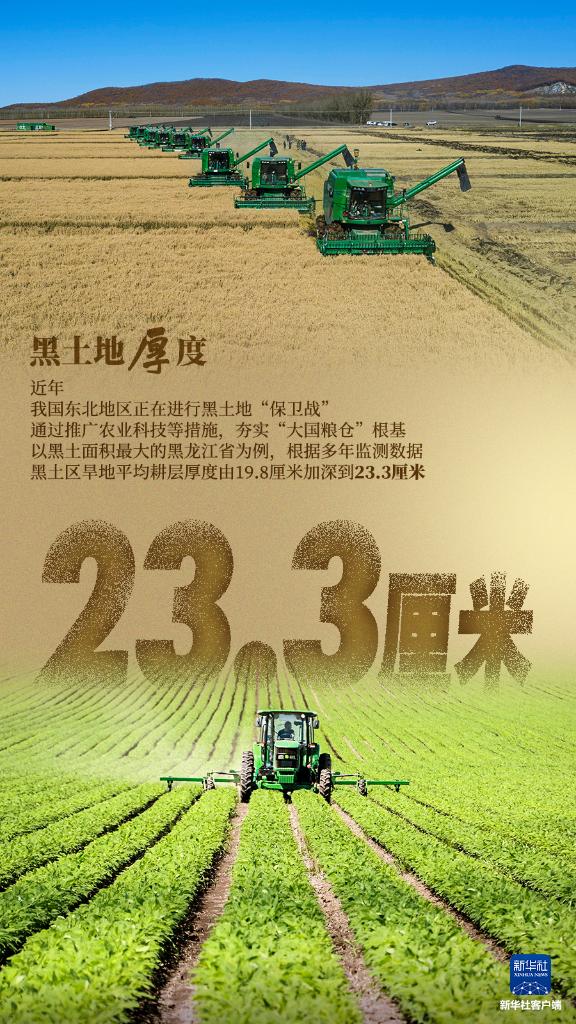
Black soil, often referred to as the “panda of farmland,” takes 200 to 400 years to form a one-centimeter-thick layer under natural conditions. In recent years, China’s Northeast region has launched a “defense campaign” for its black soils, strengthening the foundation of the nation’s granary through measures such as the widespread adoption of agricultural science and technology. Taking Heilongjiang Province—the province with the largest area of black soil—as an example, multi-year monitoring data show that the average depth of the arable topsoil in black-soil areas has increased from 19.8 centimeters to 23.3 centimeters.
This is black-soil farmland in Guangrong Village, Qianjin Town, Hailun City, Heilongjiang Province, where sowing has been completed (drone photo taken on May 23, 2022). Photo by Xinhua News Agency reporter Xie Jianfei. Only with a solid foundation can one have ample confidence. This holds true for land, and it applies equally to development.
Today, China is firmly laying the groundwork for innovation. Over the past decade, the country’s total R&D expenditure has surged from 1.03 trillion yuan in 2012 to 2.79 trillion yuan in 2021. Notably, spending on basic research has risen sharply, reaching 181.7 billion yuan in 2021, with an average annual growth rate of 15.4%. Today, China is both preserving and innovating its profound cultural heritage. Over the past decade, the Project on the Origins of Chinese Civilization and the “Archaeology China” initiative have yielded abundant results; the compilation and publication of the “Revival Library” and the “One Hundred Classics of Traditional Chinese Culture” have seamlessly blended the ancient with the contemporary, breathing new life into timeless classics. Meanwhile, a growing enthusiasm for museums, cultural relics, and intangible cultural heritage has taken hold, and the “national trend” and “traditional style” have emerged as the latest fashion. Today, China is building formidable strength. The country has established the world’s most complete and largest industrial system, encompassing all industrial categories listed in the United Nations Industrial Classification, thereby strengthening the foundation of its real economy and solidifying the roots of industrial upgrading. Moreover, China ranks first globally in the production of more than 220 types of industrial products. It has also built the world’s largest 5G network, high-speed railway network, and expressway network, as well as the world’s largest online retail market. Only through steady accumulation and patient preparation can we go further. The Chinese people will continue to forge ahead with determination and pragmatism, promote high-quality economic development, and lay an even stronger material foundation for the great rejuvenation of the Chinese nation. China's density
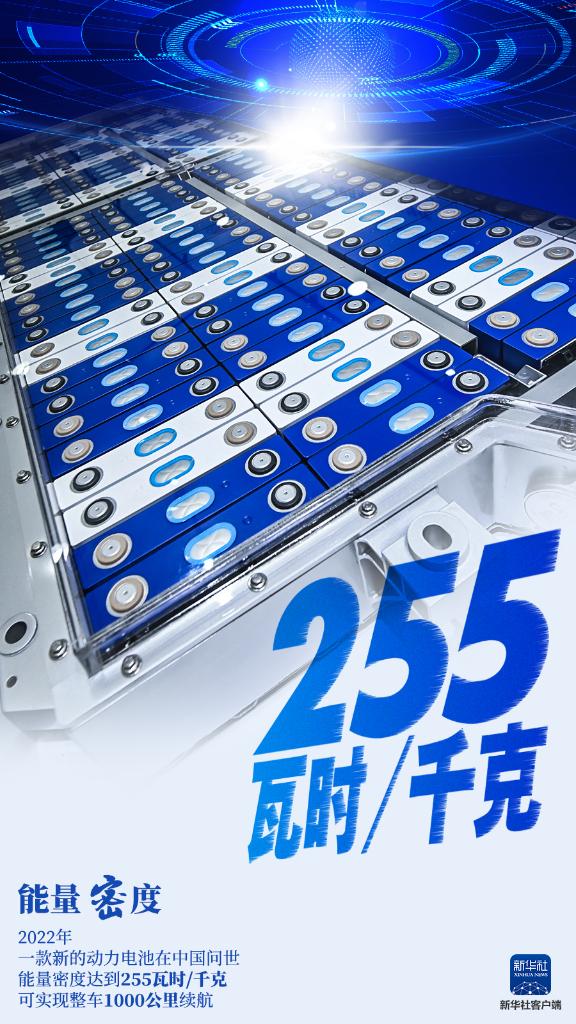
This year, a new power battery has been launched in China, boasting an energy density of 255 Wh/kg and enabling a vehicle range of 1,000 kilometers. From 2012 to 2021, the area of construction land per unit of GDP nationwide decreased by 40.85%, and the economic density of land use improved markedly.
What does improvement—whether in something as small as battery energy density or as large as national economic density—actually mean? In short, the quality has improved, and the value has increased. As the saying goes, “Every inch of land is worth its weight in gold.” Today in China, governments at all levels and sectors across the board are continuously exploring ways to ensure that every piece of land yields even greater economic value. “Density” is being enhanced by starting with the economical and intensive use of resources. “Achieving the greatest economic and social benefits at the lowest resource and environmental cost” has become a widely shared consensus and a guiding principle for China. Compared with 2012, in 2021 China’s energy intensity, carbon emission intensity, and water consumption intensity fell by 26.4%, 34.4%, and 45%, respectively, while the productivity of major resources increased by approximately 58%.
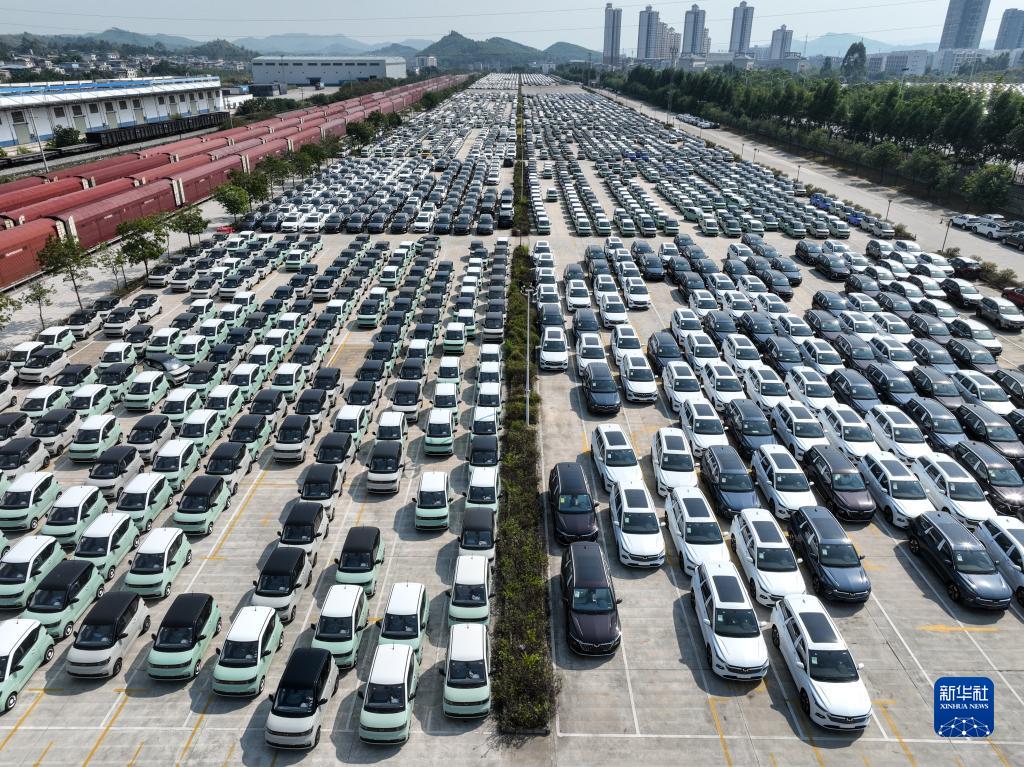
This is the new-energy vehicle parking lot at the Liuzhou Freight Center of China Railway Nanning Bureau Group Co., Ltd. (drone photo, taken on September 27, 2022). Photo by Xinhua News Agency reporter Zhang Ailin. The enhancement of “density” hinges on innovation capacity. China now ranks 11th in the Global Innovation Index, a leap of 23 places from 2012, firmly establishing itself among the world’s leading innovators. Whether it is developing emerging industries such as integrated circuits, biopharmaceuticals, and artificial intelligence, or charting new pathways in the digital economy, green and low‑carbon technologies, and the metaverse, these efforts reflect localities’ concerted efforts to transform their development models and pursue high‑quality growth. To boost “density,” the industry must enhance quality and efficiency. China’s new‑energy vehicle sector has achieved breakthroughs in key technologies such as batteries, electric motors, and electronic control systems, establishing a fully integrated upstream–downstream industrial ecosystem. For seven consecutive years, China has ranked first worldwide in both production and sales of new‑energy vehicles. Riding the momentum of the new‑energy transition, the Chinese automotive industry’s aspiration to “change lanes and overtake” is steadily becoming a reality. China's breadth
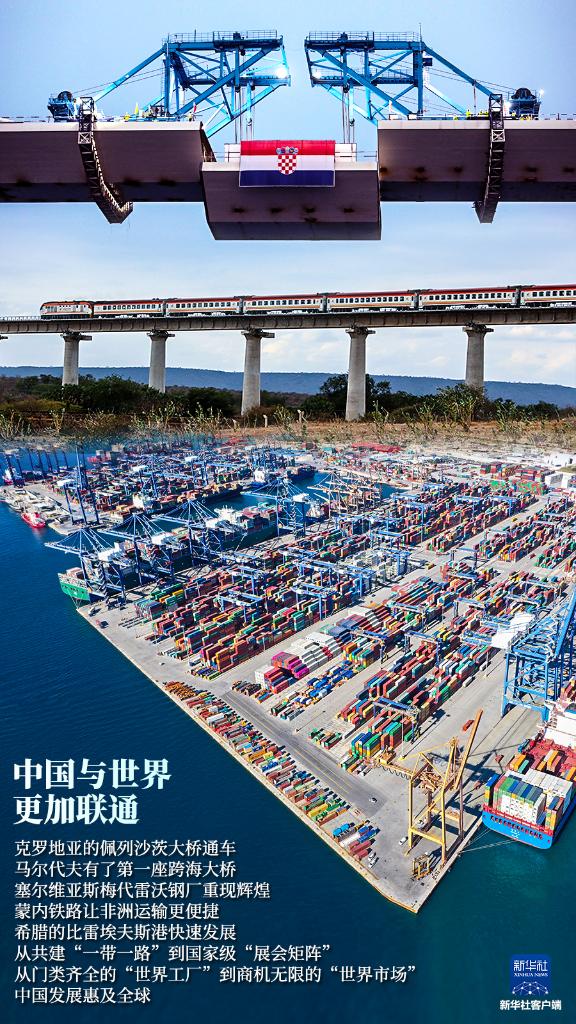
In July 2022, the Pelješac Bridge, a 2,440-meter-long, 22.5-meter-wide cable-stayed highway bridge located in southeastern Europe, was opened to traffic. Croatian Prime Minister Andrej Plenković hailed the bridge as having “fulfilled the long-cherished aspiration of connecting Croatia’s northern and southern territories.” Four years ago, a Chinese consortium led by China Road and Bridge Corporation won the bid for the bridge project, marking the first time a Chinese company had secured an EU‑funded contract.
This is a fireworks display at the opening ceremony of the Pelješac Bridge, built by a Chinese enterprise, filmed in Komarna, Croatia (photographed on July 26, 2022). Photo by Xinhua News Agency reporter Li Xuejun. Projects like the Pelješac Bridge are becoming new landmarks of China’s contributions… In Greece, the Port of Piraeus, operated by COSCO Shipping Group, is not only the country’s largest port but also one of the fastest-growing container ports in the world. By advancing the joint development of the Belt and Road Initiative, the Maldives has built its first cross-sea bridge, Serbia’s Smederevo Steel Plant has regained its former glory, and the Mombasa–Nairobi Standard Gauge Railway has made transportation in Africa more convenient…
On this blue planet, China is more closely connected with the world— On average, more than 73 million yuan worth of goods are handled between China and the rest of the world every minute. On average, more than 40 trains run daily between China and approximately 200 European cities. From the joint development of the Belt and Road Initiative to a national-level “exhibition matrix,” from a fully diversified “world factory” to an “global market” brimming with limitless opportunities, China’s development has benefited the entire world. Today, China’s “circle of friends” has expanded. The total number of countries with which China has established diplomatic relations has grown to 181, and China has forged partnerships with more than 110 countries and regional organizations, creating a global network of partnerships. China's temperature
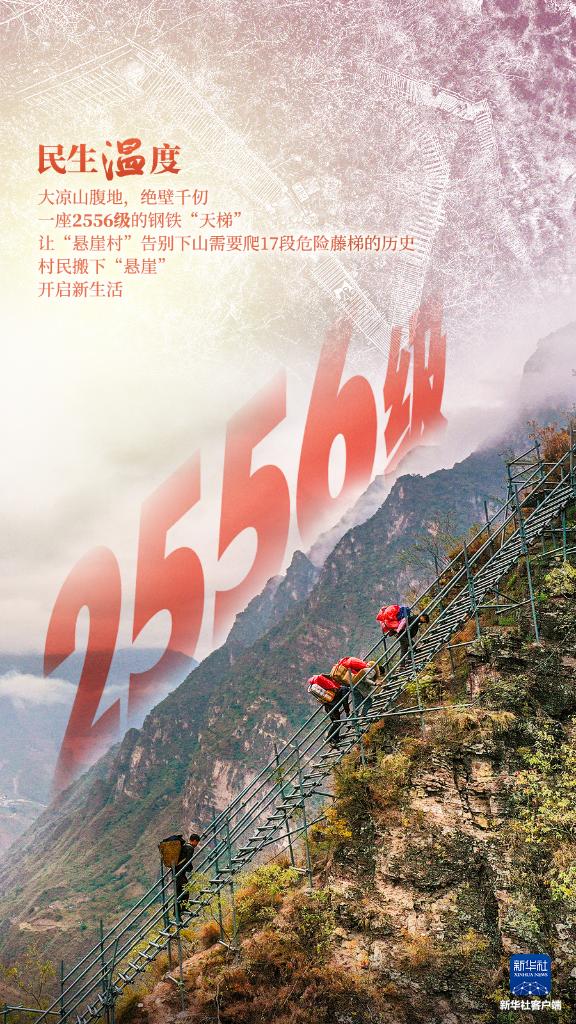
The steady improvement in people’s lives best reflects the warmth of China’s development. Deep in the heart of the Greater Liangshan Mountains, sheer cliffs rise thousands of feet high. A 2,556-step steel “ladder to heaven” has put an end to the days when villagers from the “cliff village” had to climb 17 perilous rattan ladders to descend the mountain, enabling them to move down and begin a new chapter in their lives. After eight years of arduous and extraordinary efforts, all 98.99 million rural residents living in poverty under the current standards have been lifted out of poverty, marking a historic victory over absolute poverty in China. The first centenary goal has been achieved, and a moderately prosperous society in all respects has been fully built across the Chinese land.
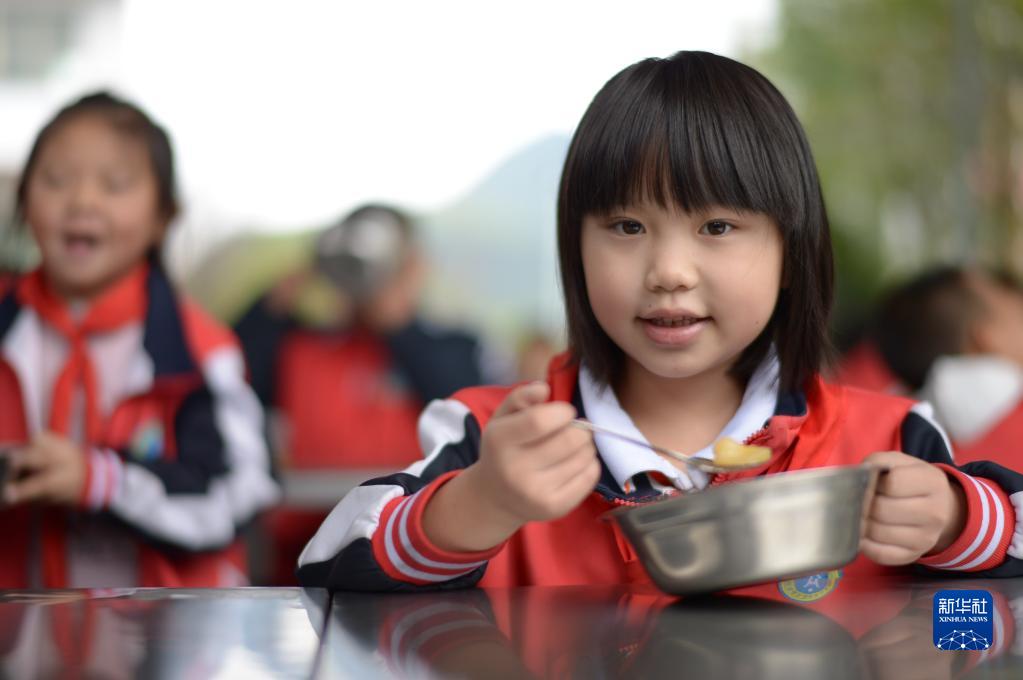
Ensuring that children receive proper care, students have access to quality education, workers earn fair wages, the sick receive adequate medical treatment, the elderly are well cared for, everyone has a place to live, and the vulnerable receive support—these efforts to fulfill people’s aspirations are steadily making new progress. 350 million rural students are now able to enjoy nutritionally balanced meals, thanks to China’s Nutrition Improvement Program.
At the canteen of the Central School in Fenghua Town, Suiyang County, Zunyi City, Guizhou Province, students are eating nutritious meals (photo taken on October 12, 2021). Photo by Xinhua News Agency reporter Yang Ying. 1.04 billion people are covered by the basic old-age insurance scheme, and pension benefits for retirees continue to rise. Nearly 37 million elderly individuals are receiving high-age allowances, elderly care service subsidies, and nursing subsidies for those with disabilities. With 1.36 billion people covered by basic medical insurance, patients can access more new and high-quality drugs at lower prices, and many are now benefiting from the convenience of direct settlement for out-of-province medical care… Such warmth is steadily enriching every facet of Chinese life. As we advance common prosperity for all the people, the Chinese will enjoy even warmer and more fulfilling days.
Xinhua News Agency reporters Xiong Zhengyan, Wang Xi, and Huang Yao
|

Tags:
More information
Contact Us
Address:
No. 1, No. 1, New District Road No. 1, Gaocheng District, Shijiazhuang City, Hebei Province
WeChat/WhatsApp:
Phone:
Email:
