


-
About UsHebei Derui Chemical Co., Ltd. (hereinafter referred to as Derui Chemical) was established in January 2006 with a registered capital of RMB 51.8 million. The company specializes in the production and sale of agrochemicals, with its main products including thiamethoxam technical grade, imidacloprid technical grade, spirotetramat technical grade, and related formulated products.

-
Product CenterThe company is committed to building and continuously improving its management systems, and in 2020 it obtained certifications under GB/T 19001-2016/ISO 9001:2015, GB/T 24001-2016/ISO 14001:2015, and GB/T 45001-2020/ISO 45001:2018. Derui Chemical has consistently upheld the corporate mission of “pursuing green development and serving global agriculture,” while adhering to the core values of “integrity, innovation, pragmatism, and gratitude.” The company is eager to collaborate with its partners to contribute to the advancement of global agriculture.
-
BlogThe company places great emphasis on standardized management and sustainable development, successfully obtaining certification for its three major management systems—quality, environment, and occupational health and safety—in 2020. These certifications align with GB/T 19001-2016/ISO 9001:2015, GB/T 24001-2016/ISO 14001:2015, and GB/T 45001-2020/ISO 45001:2018. Derui Chemical remains committed to its corporate mission of promoting green development and serving global agriculture, upholding the core values of “integrity, innovation, pragmatism, and gratitude.” We look forward to partnering with stakeholders from all sectors, pooling our strengths, and advancing together to support the steady growth of global agriculture.

The Past Decade in Zhongguancun
Release Date:
2022-11-02
|
Zhongguancun is a vibrant land that continuously gives rise to miracles. From a patch of farmland and an electronics street to China’s first national independent innovation demonstration zone… innovation has transformed this place. More than 20,000 high-tech enterprises, over 400 listed companies, and 102 unicorn firms—these figures paint a vivid picture of its innovative landscape. Today, it continues to thrive, adding an average of 270 new technology firms each day. Since the 18th National Congress of the Communist Party of China, the Party Central Committee with Comrade Xi Jinping at its core has shown great care and concern for the development of Zhongguancun. In September 2013, the CPC Central Politburo held a collective study session outside Zhongnanhai, with the “classroom” set right in Zhongguancun. “Looking to the future, Zhongguancun must intensify its efforts to implement the innovation-driven development strategy, accelerate its march toward becoming a globally influential center for scientific and technological innovation, and play an even more exemplary and leading role in advancing this strategy nationwide,” General Secretary Xi Jinping said, expressing his earnest expectations for Zhongguancun. Recently, a Xinhua News Agency reporter once again visited Zhongguancun to explore the decade-long story of its development.
Dare to lead the way. Before stepping onto the podium at this year’s HICOOL Global Entrepreneurship Competition, Xu Jinbo had already established himself as a highly acclaimed scientist in the global AI‑protein field. His pioneering Raptor X‑Contact method was the first to demonstrate that deep‑learning approaches could substantially enhance the accuracy of protein‑structure prediction, thereby ushering in the “AI‑driven era of protein‑structure prediction.” It is this “pioneer of AI‑driven protein‑folding technology” who, after nearly two decades of living and working abroad, was drawn to the entrepreneurial ecosystem of Zhongguancun. This is a scene that unfolds daily in Zhongguancun: on average, 270 companies set up shop or are founded here each day.
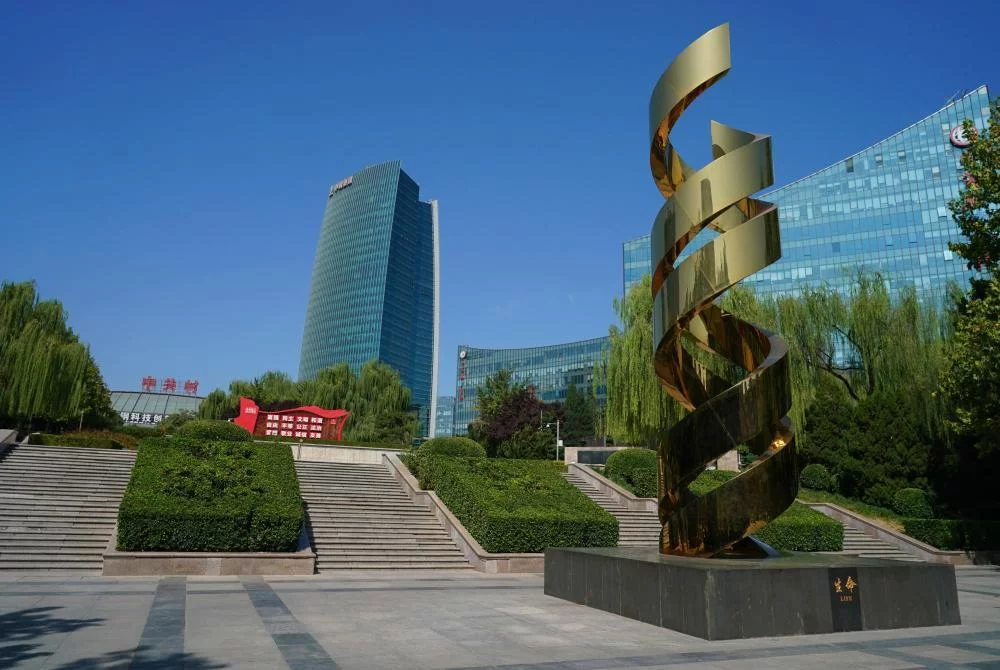
Zhongguancun Square in Haidian District, Beijing (photographed on September 21). Photo by Xinhua News Agency reporter Ren Chao. Having taken its first steps 42 years ago, Zhongguancun has entered a fast lane of accelerated development over the past decade. Over the past decade, a host of “national strategic instruments”—including the Comprehensive Extreme Conditions Experimental Facility and the Earth System Numerical Simulation Facility—have been brought to fruition, while a steady stream of groundbreaking innovations and numerous “world’s firsts” in cutting-edge technological fields has followed. Over the past decade, an innovative corporate ecosystem has unleashed tremendous vitality. Leading companies such as Xiaomi, Baidu, and BOE have taken the lead in fields like intelligent manufacturing, deep learning, and semiconductor displays. From 33.6 to 185, the steadily rising figures chronicle the remarkable journey of more than doubling the number of invention patents held per 10,000 people; from RMB 245.85 billion to RMB 700.57 billion, annual technology contract turnover has reached yet another record high; from 3,300 to 27,600, the number of national-level high-tech enterprises has doubled; and from RMB 113.92 billion to RMB 1,086.69 billion, the added value of the high‑tech industry has grown by an order of magnitude… These successive sets of numbers bear witness to Zhongguancun’s decade of relentless progress.
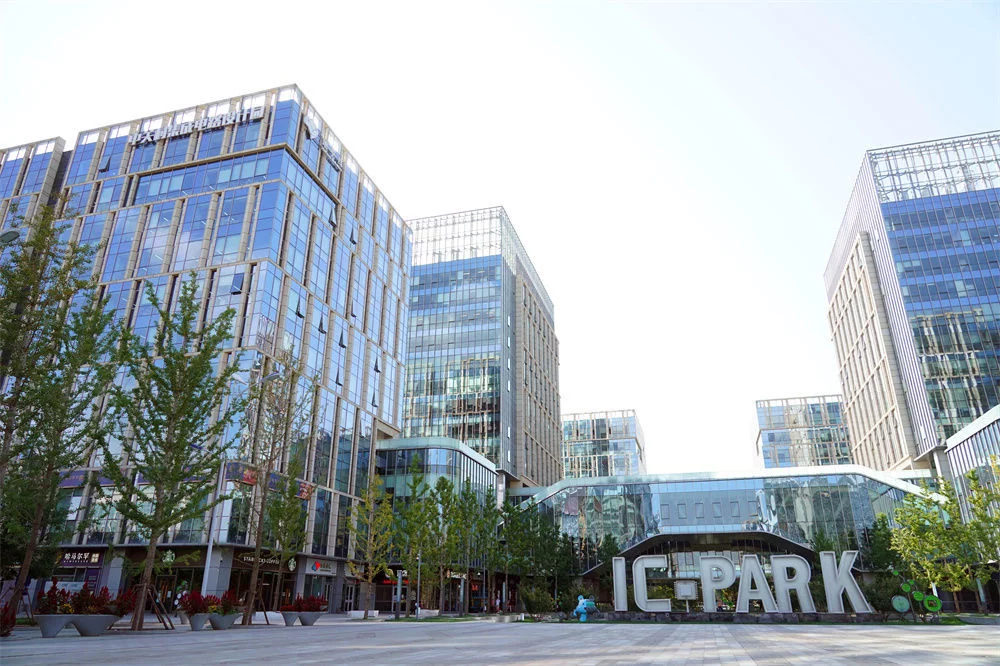
Zhongguancun Integrated Circuit Design Park in Haidian District, Beijing (photo taken on September 21). Photo by Xinhua News Agency reporter Ren Chao. Policies for 11 specialized sectors—including artificial intelligence, integrated circuits, biopharmaceuticals, and rail transit—are being accelerated, while six major emerging-industry clusters have been cultivated and established. The Zhongguancun “One Zone, Sixteen Parks” framework has become a key engine driving Beijing’s high-quality development.
Focus on addressing the bottlenecks and pain points that hinder innovation. “Scientists are frequent visitors here,” said Guo Chunyuan, a technology manager at the Chinese Academy of Sciences’ Science and Technology Achievement Hall, which showcases more than a hundred innovative technologies.
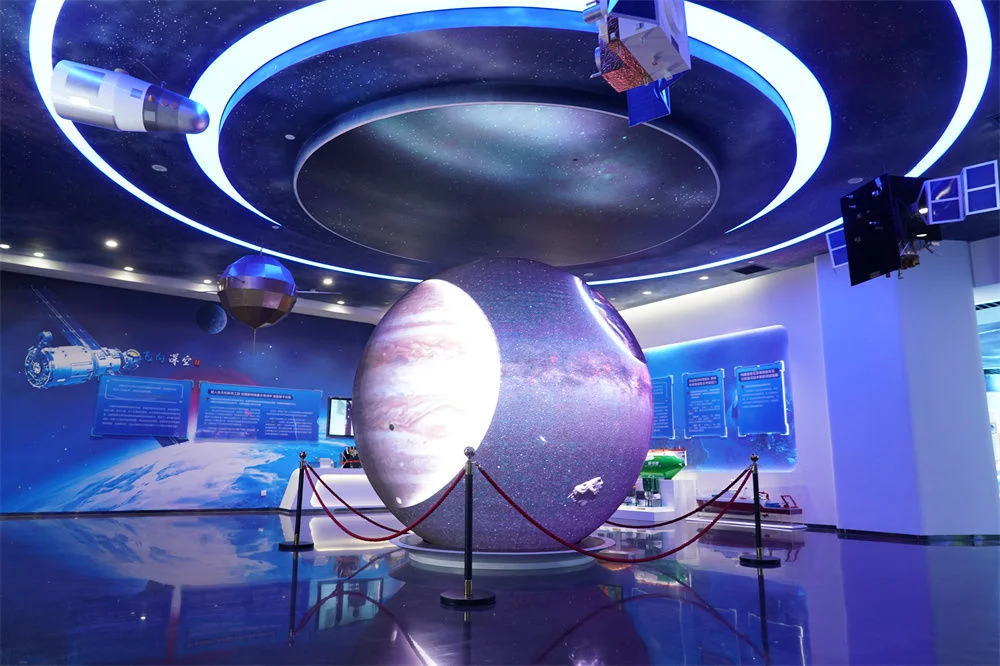
The Chinese Academy of Sciences’ Science and Technology Achievements Hall, located at the Zhongke Zhihui Industrial Park (photographed on September 22). Photo by Xinhua News Agency reporter Ren Chao. Zhongke Zhihui Factory is a science and technology service institution that offers end-to-end services for technology transfer, spanning the entire lifecycle—from strategic research and science‑tech finance to centralized exhibition,成果 transformation, and incubation‑acceleration. Guo Chunyuan explained that, in the past, it typically took about five years to translate scientific research findings into industrial applications. By contrast, here, a research team spun out of a laboratory at the Institute of Biophysics of the Chinese Academy of Sciences has, in less than two years, established a company dedicated to brain‑science research and the development of medical devices for treating brain disorders, completed an industrial‑scale prototype, obtained a Class II medical device registration certificate, and begun deploying its product for clinical trials in hospitals.
The Chinese Academy of Sciences’ Science and Technology Achievements Hall, located at the Zhongke Zhihui Industrial Park (photographed on September 22). Photo by Xinhua News Agency reporter Ren Chao. This is just a microcosm. In Zhongguancun, talent is what matters most, and it’s crucial to enable key personnel to spearhead innovation. “Move‑in ready” conditions have made Zhongguancun the natural choice for many scientists. What entrepreneurs here find most compelling is the region’s fertile ecosystem, which can nurture “seedlings” into towering trees. In the past, Zhongguancun has given birth to China’s first privately owned technology enterprise, the country’s first government‑guided fund, and the very first local legislation on science and technology parks... Over the past decade, Zhongguancun has focused on the “pain points” and “bottlenecks” hindering innovation, pioneering a series of reform policies that have since been replicated nationwide: introducing new measures such as the additional tax deduction for R&D expenses of technology‑based SMEs and for corporate spending on basic research, thereby encouraging these enterprises to increase their R&D investment; formulating and implementing 28 policy measures on research funding and the “30 Measures for Sci‑Tech Innovation,” while exploring innovative approaches like the “listing‑and‑appointment” system and lump‑sum management of research funds; establishing an expedited pathway for high‑level foreign talent to apply for permanent residency; and rolling out 20 new entry‑exit policies tailored to international talent in Zhongguancun, all aimed at attracting and cultivating a cohort of leading scientific and technological professionals.
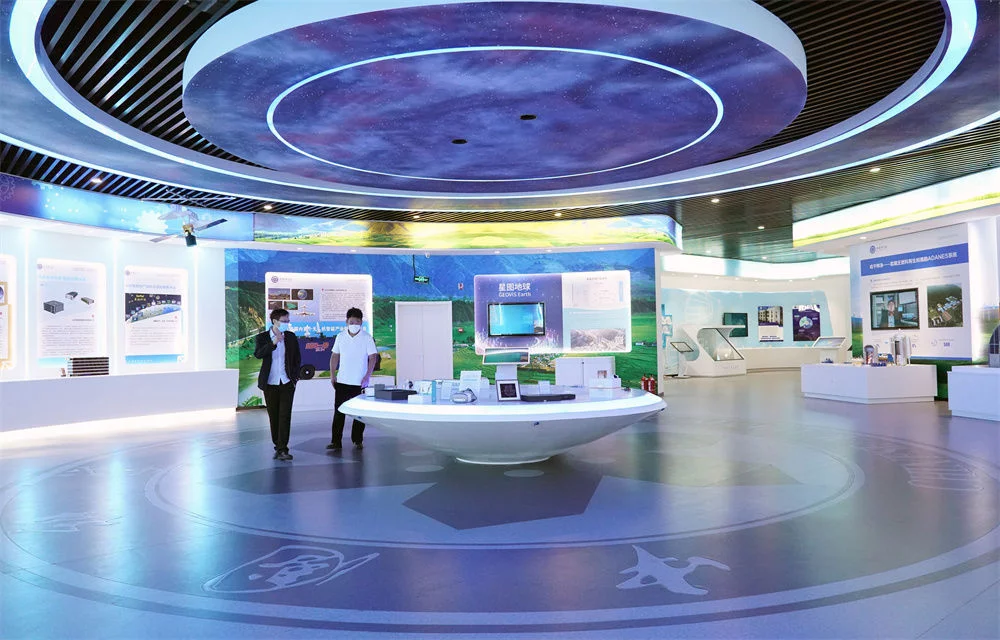
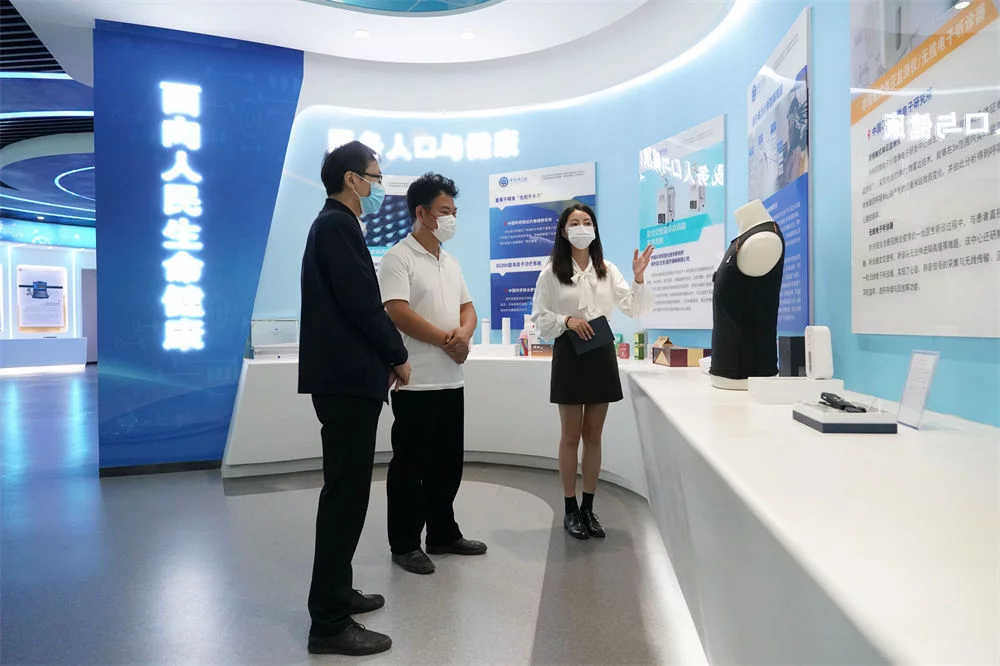
At the CAS Zhihui Industrial Park, a staff member (far right) introduces exhibits to visitors in the Chinese Academy of Sciences’ Science and Technology Achievements Hall (photo taken on September 22). Photo by Xinhua News Agency reporter Ren Chao. A series of pioneering regulations and policies have dismantled barriers, enabling innovation actors to pursue development with confidence and boldness. In a recent experiment, Gu Qi, a researcher at the Beijing Institute of Stem Cell and Regenerative Medicine, 3D-printed a “liver” for rats. After removing 85% of the rat’s liver, he transplanted the centimeter-sized, 3D‑printed organ, extending the animal’s survival time from two hours to twelve hours. Previously, the printing of hard tissues such as bone had already reached a relatively mature stage both domestically and internationally, whereas the fabrication of soft tissues containing complex cell types has proven considerably more challenging, requiring a robust stem cell–based technological platform for support. “Stem cells are like the ink in a biological 3D printer; they can redifferentiate into various functional cell types, and with appropriate printing strategies, it’s possible to fabricate blood vessels, muscles, and even entire organs,” Gu Qi explained. Take a stroll along Beijing’s “Science and Innovation Map,” and you’ll find countless instances of original, “from‑zero‑to‑one” innovation: For the first time, D‑serine has been shown to regulate sleep; the Huairou Proton Cyclotron facility has successfully produced its first beam; a prototype of a helium‑free dilution refrigerator has achieved continuous, stable operation; the “domestically developed brain” for autonomous driving is undergoing ongoing upgrades; and the distance record for quantum direct communication has been broken. The spirit of “pioneering” and the drive to “innovate.” Over the past decade, Zhongguancun has led the way through bold experimentation, propelled by the dual engines of technological innovation and institutional reform.
Uphold the new mission of the times. Along the Beiqing Road, a Zhongguancun Integrated Circuit Design Park has now emerged, accounting for half of Beijing’s IC design output.
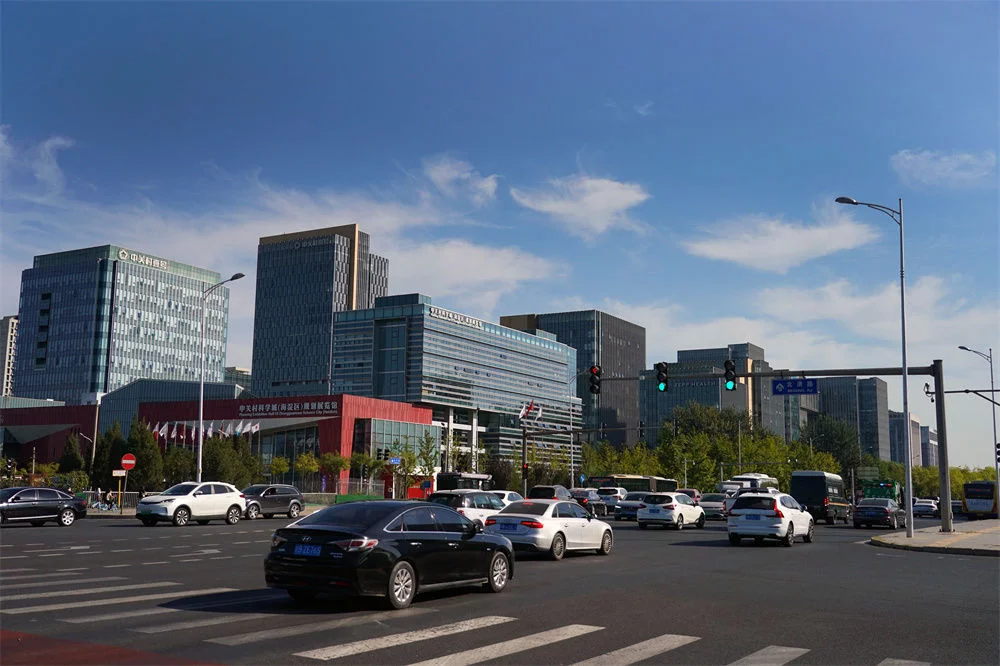
Beijing’s Haidian District, Beiqing Road (photographed on September 21). Photo by Xinhua News Agency reporter Ren Chao. In Tongyuan Micro’s laboratory, engineers are racing against the clock to design circuits and perform real-time monitoring and analysis of current waveforms and other key data. “Our detectors are in no way inferior to those of any foreign company,” says Wang Hongbo, General Manager of Tongyuan Micro, with full confidence. In the past, high-end technologies in the field of radiographic imaging—such as advanced vehicle inspection systems, cargo‑inspection systems, intelligent X-ray sorting, and medical CT scanners—relied on radiation detectors supplied by European and Japanese manufacturers. The emergence of Tongyuan Micro has fundamentally changed this landscape. At present, a new round of scientific and technological revolution and industrial transformation is reshaping the global economic landscape, while the dual pressures of the global pandemic and economic downturn persist.
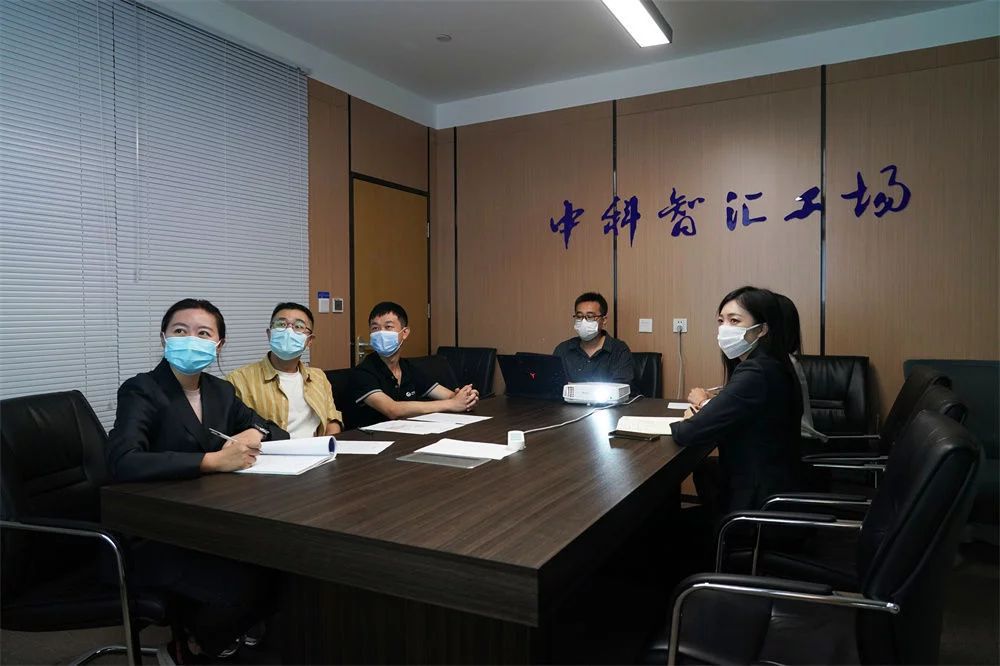
Staff members of the CAS Zhihui Industrial Park discuss the feasibility of an innovative project (photographed on September 22). Photo by Xinhua News Agency reporter Ren Chao. As a flagship of China’s innovation-driven development, Zhongguancun is undergoing the test of the times while shouldering a new mission. “Zhongguancun is not merely a handful of designated industrial parks, nor is it just a few individual industrial projects; it is an ecosystem, a culture, a brand, and a calling card,” said Cheng Song, an assistant researcher at the Beijing Yanqi Lake Institute for Applied Mathematics. Open and inclusive, Zhongguancun is rooted in Beijing, extends across the nation, and connects to the world. The convergence of technology, industry, finance, and talent has enabled Zhongguancun to expand from “a single street of electronics” to “one zone with sixteen parks,” evolving from the first national high-tech zone to the nation’s first National Independent Innovation Demonstration Zone, and now boasting branches across the country. Today, Zhongguancun has become a key hub for technological innovation, a source of original breakthroughs, and a principal stronghold of independent innovation in China. At present, Beijing is home to 189 foreign-invested enterprises with R&D capabilities. In terms of accelerating high-quality “bringing in,” 10 of the 20 entry‑exit policies and measures introduced to foster innovation in Beijing are specifically tailored for Zhongguancun. “The Chinese market is the world’s largest untapped treasure,” said Zhang Yuguo, Senior Vice President of RELX Group, which has been deeply engaged in the Chinese market for many years. To unlock the full potential of this rich resource, RELX has leveraged its global, multidisciplinary research‑and‑development resources to serve Beijing’s small and medium‑sized high‑tech enterprises and research institutions. From once being a “village” that benchmarked Silicon Valley, to expanding beyond Beijing and flourishing across multiple regions nationwide, and now standing at the forefront of global cooperation and competition, Zhongguancun has continuously broadened its vision for innovation. “We will accelerate the implementation of the new round of pioneering reform policies in Zhongguancun, striving to transform it into a world‑leading science and technology park and making an even greater contribution to achieving high‑level scientific and technological self‑reliance and strength,” said a relevant official from the Beijing Municipal Science & Technology Commission and the Zhongguancun Administrative Committee. |
| Source: Xinhua News Agency |

Tags:
More information
Contact Us
Address:
No. 1, No. 1, New District Road No. 1, Gaocheng District, Shijiazhuang City, Hebei Province
WeChat/WhatsApp:
Phone:
Email:
