


-
About UsHebei Derui Chemical Co., Ltd. (hereinafter referred to as Derui Chemical) was established in January 2006 with a registered capital of RMB 51.8 million. The company specializes in the production and sale of agrochemicals, with its main products including thiamethoxam technical grade, imidacloprid technical grade, spirotetramat technical grade, and related formulated products.

-
Product CenterThe company is committed to building and continuously improving its management systems, and in 2020 it obtained certifications under GB/T 19001-2016/ISO 9001:2015, GB/T 24001-2016/ISO 14001:2015, and GB/T 45001-2020/ISO 45001:2018. Derui Chemical has consistently upheld the corporate mission of “pursuing green development and serving global agriculture,” while adhering to the core values of “integrity, innovation, pragmatism, and gratitude.” The company is eager to collaborate with its partners to contribute to the advancement of global agriculture.
-
BlogThe company places great emphasis on standardized management and sustainable development, successfully obtaining certification for its three major management systems—quality, environment, and occupational health and safety—in 2020. These certifications align with GB/T 19001-2016/ISO 9001:2015, GB/T 24001-2016/ISO 14001:2015, and GB/T 45001-2020/ISO 45001:2018. Derui Chemical remains committed to its corporate mission of promoting green development and serving global agriculture, upholding the core values of “integrity, innovation, pragmatism, and gratitude.” We look forward to partnering with stakeholders from all sectors, pooling our strengths, and advancing together to support the steady growth of global agriculture.

The Ministry of Agriculture and Rural Affairs, in coordination with the General Administration of Customs, is formulating measures to optimize import and export management services for pesticides, which are slated for release.
Release Date:
2020-12-19
|
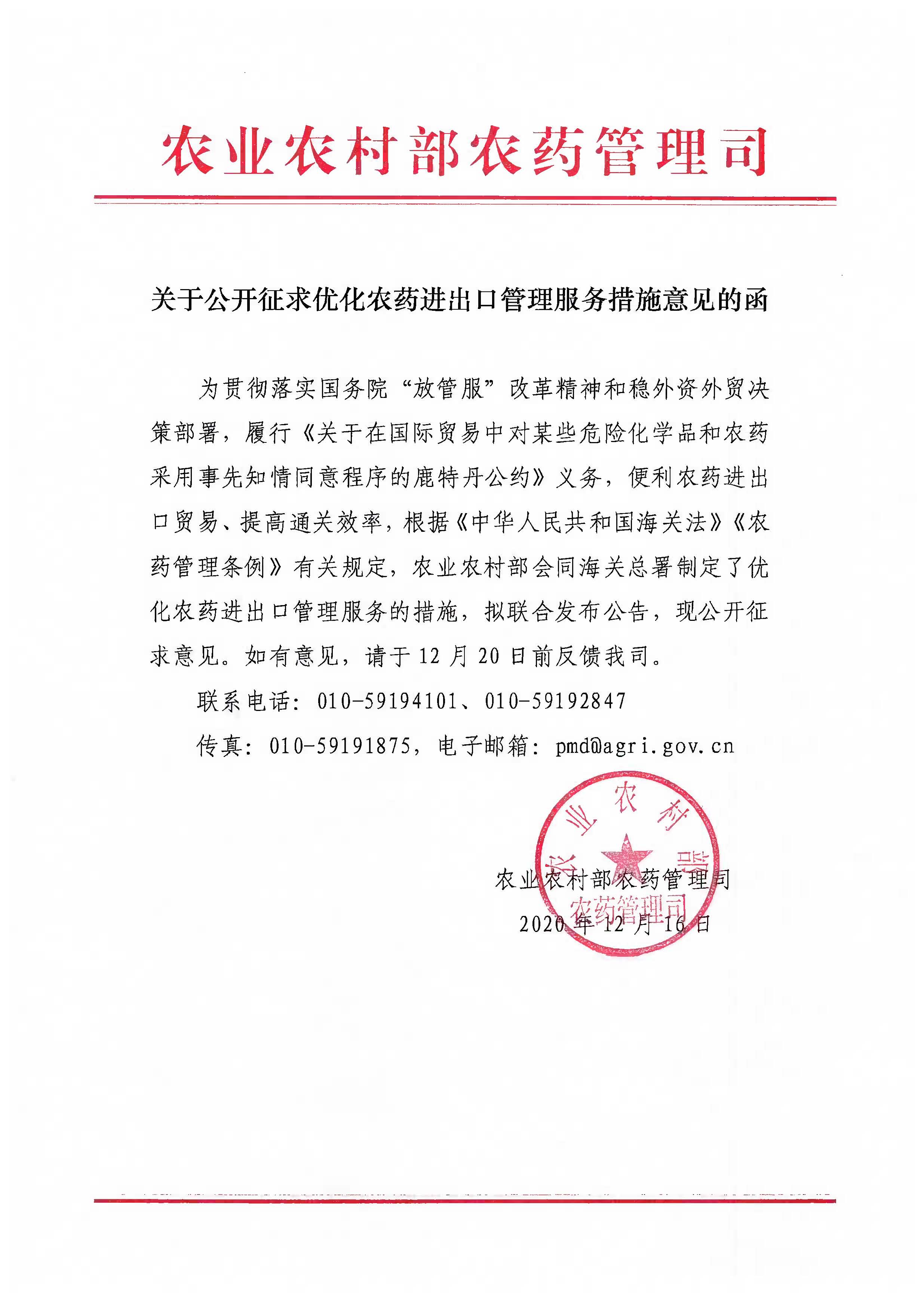
On December 16, in order to implement the State Council’s spirit of the “delegation, regulation, and service” reform and its decisions on stabilizing foreign investment and foreign trade, and to fulfill obligations under the Rotterdam Convention on the Prior Informed Consent Procedure for Certain Hazardous Chemicals and Pesticides in International Trade, thereby facilitating pesticide import and export and enhancing customs clearance efficiency, the Ministry of Agriculture and Rural Affairs, in conjunction with the General Administration of Customs, has formulated measures to optimize the management and services related to pesticide import and export, in accordance with relevant provisions of the Customs Law of the People’s Republic of China and the Regulations on the Administration of Pesticides. A joint announcement is being prepared, and public comments are now being solicited.
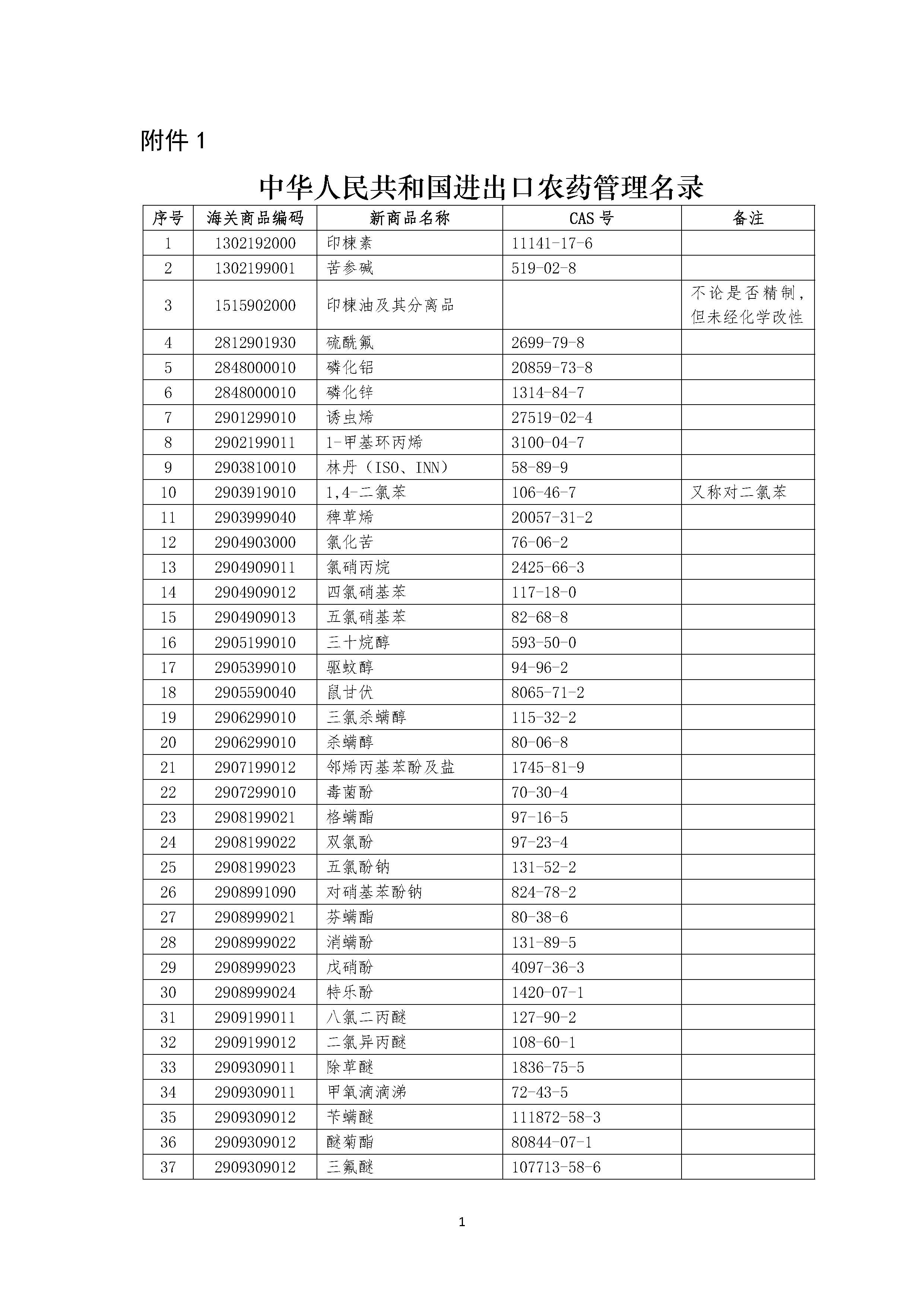
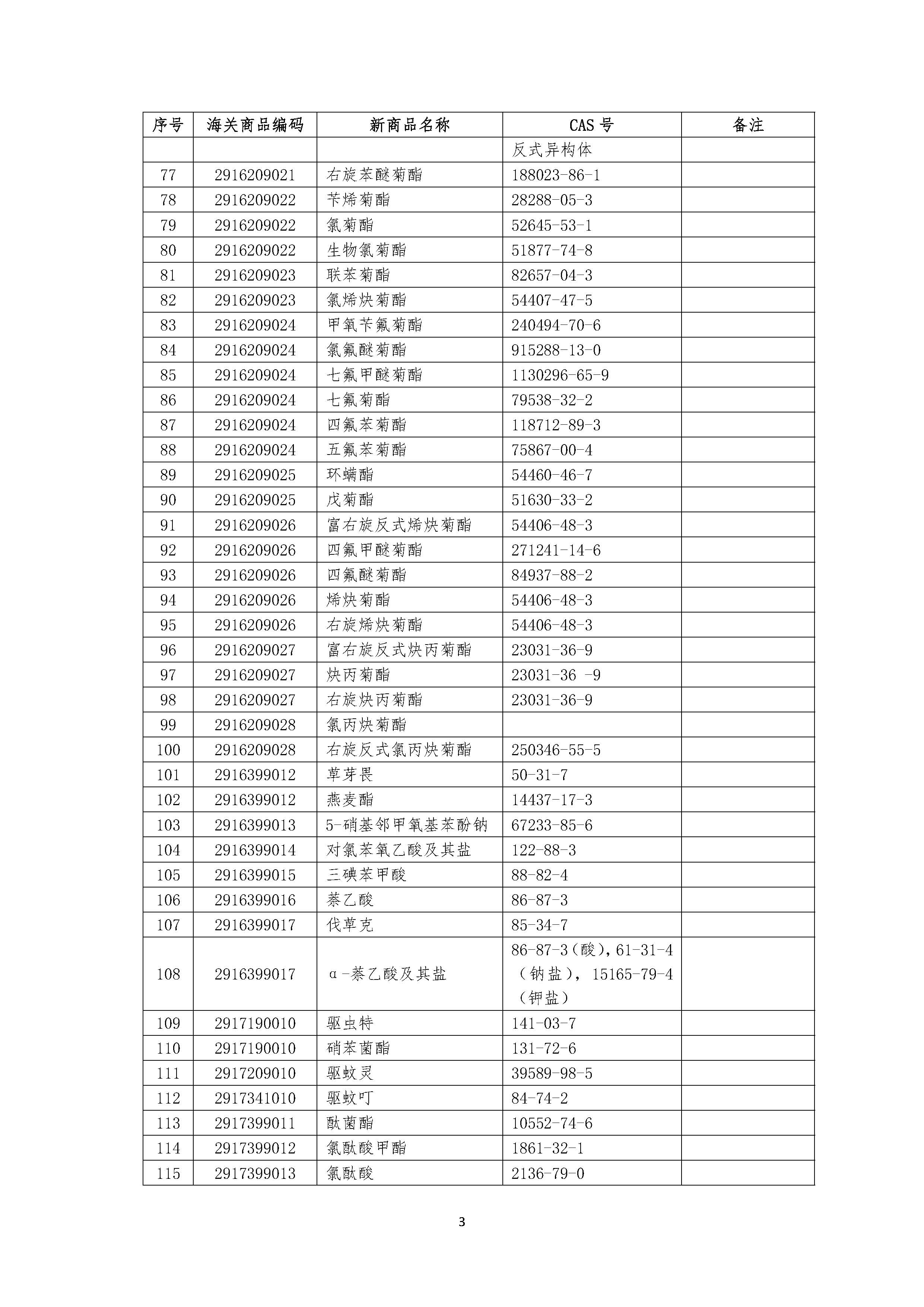
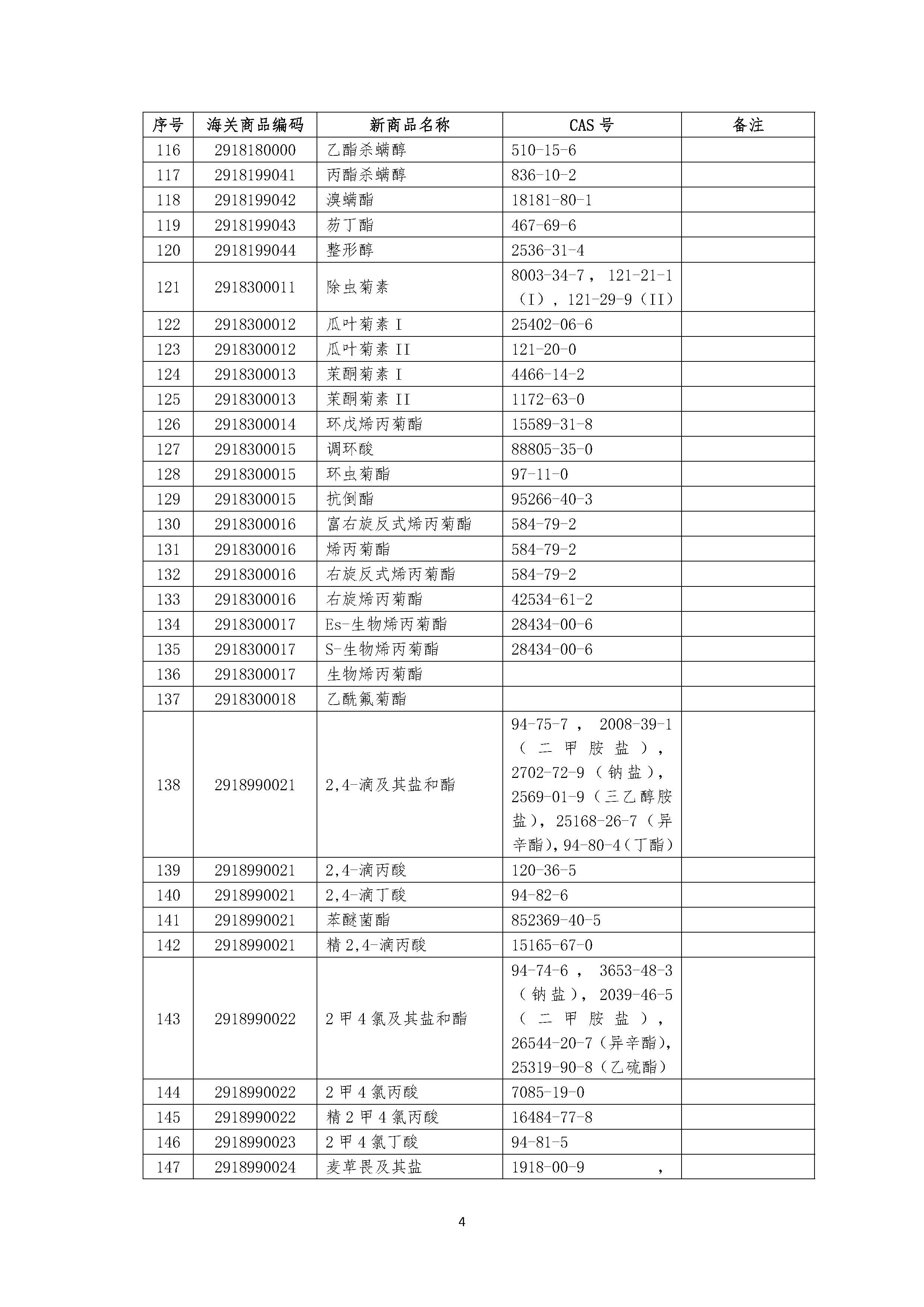
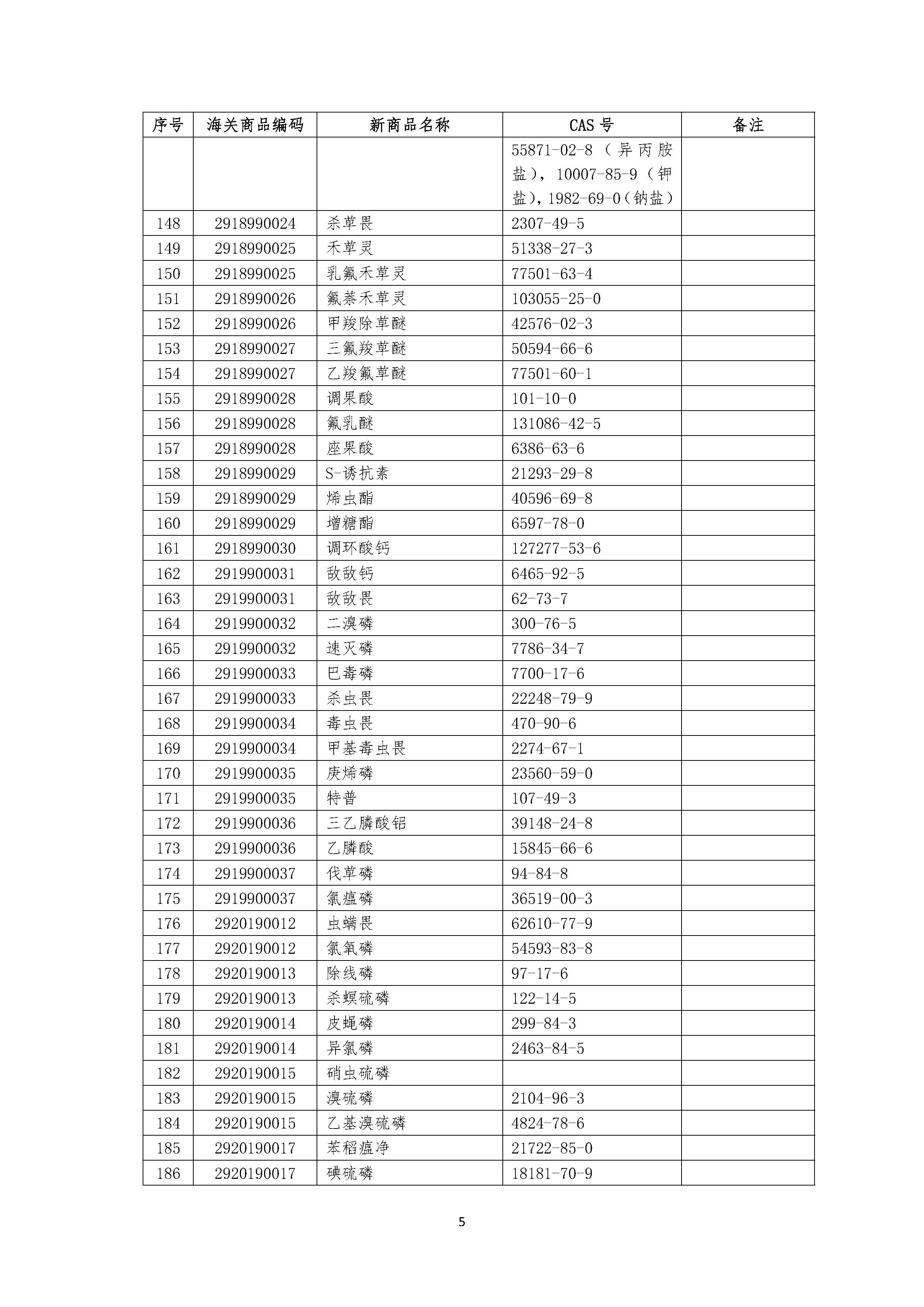
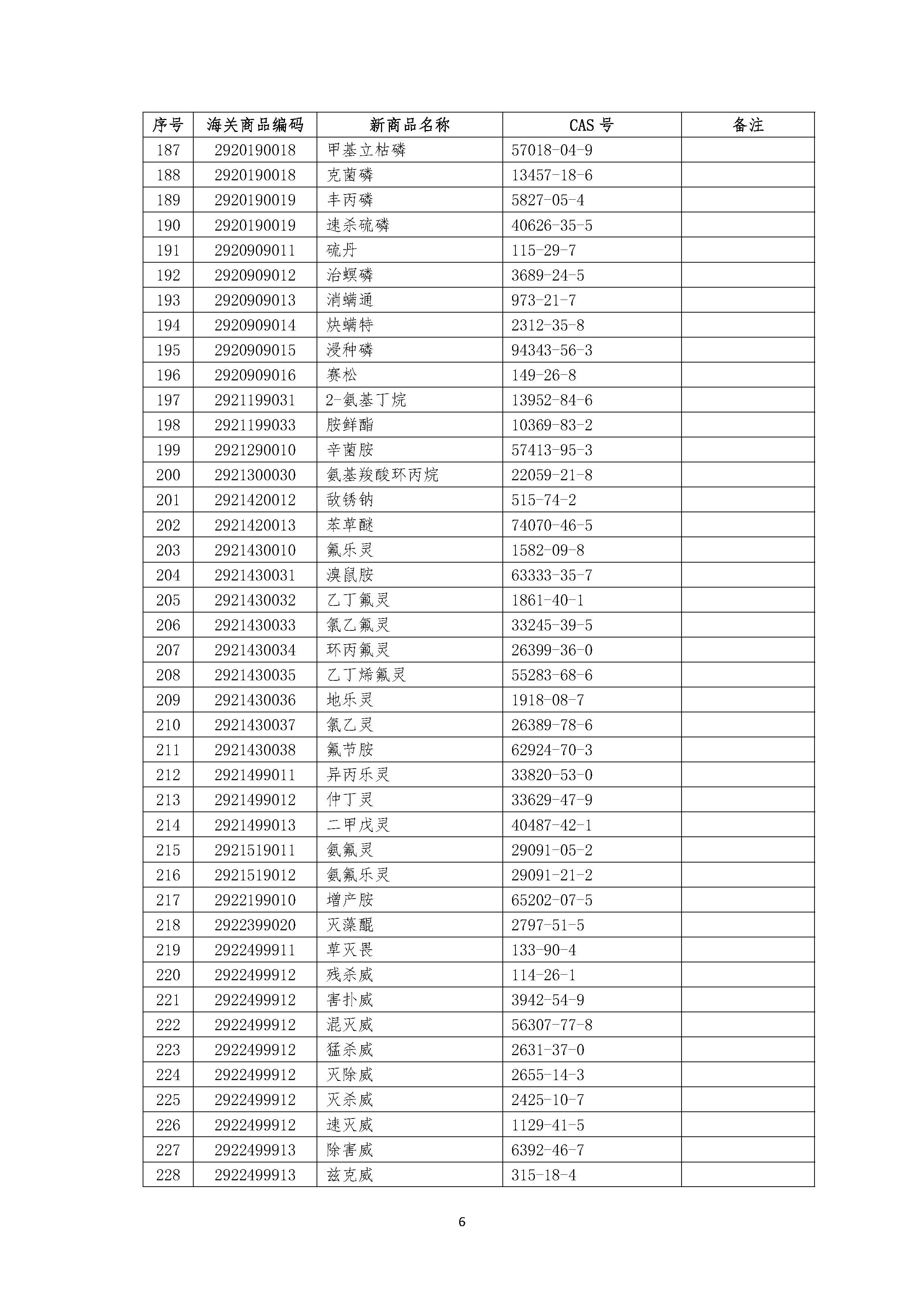
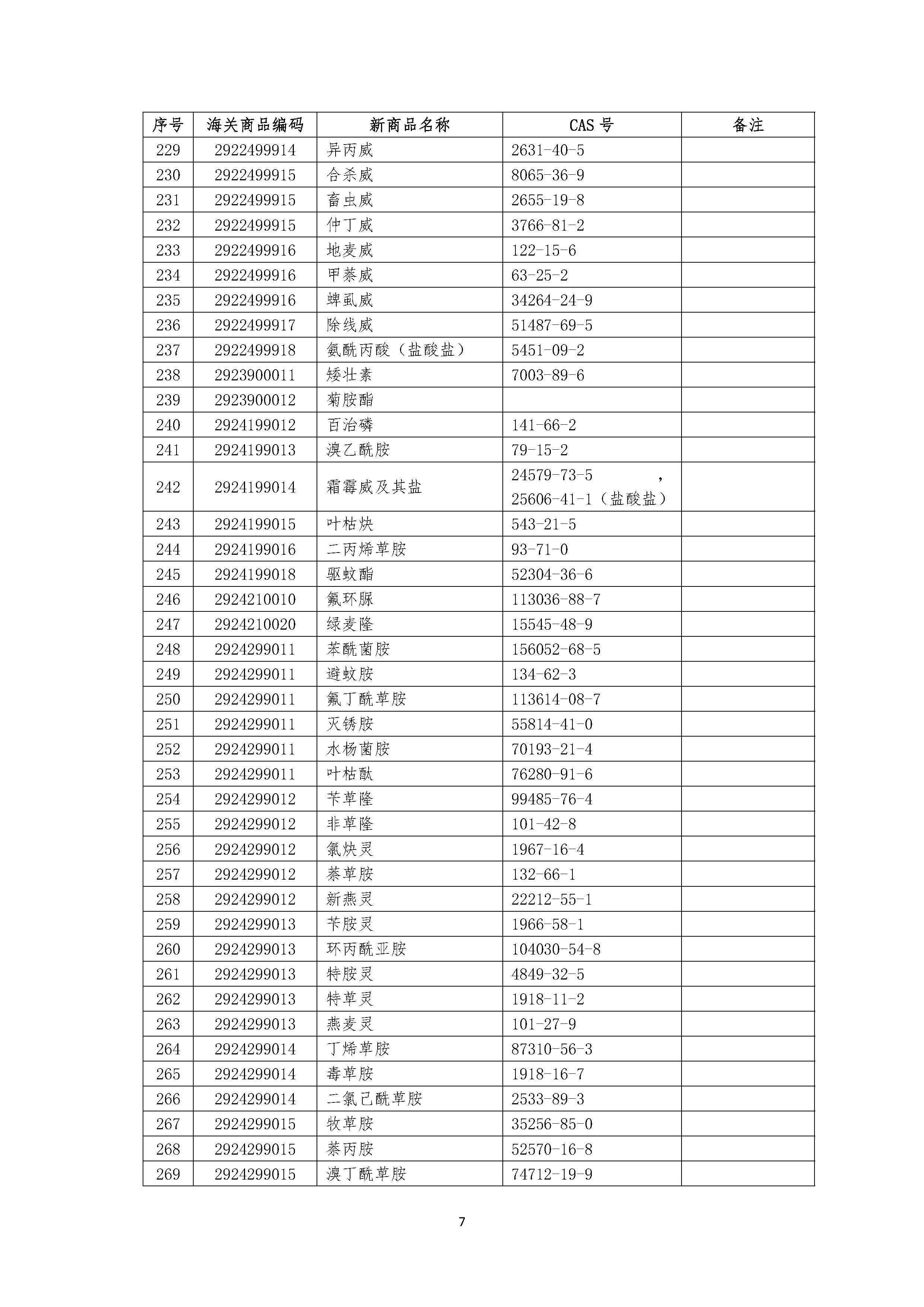
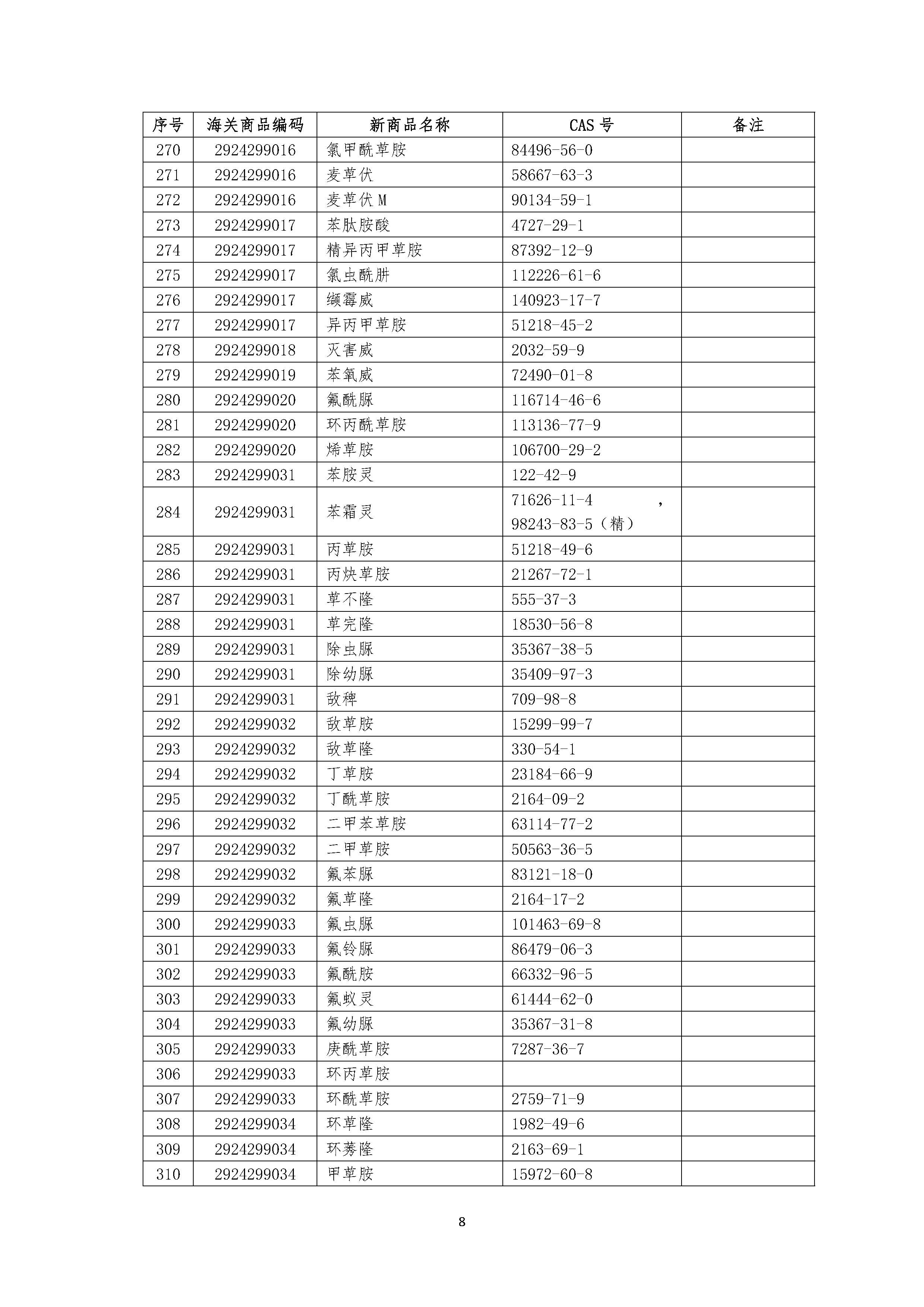
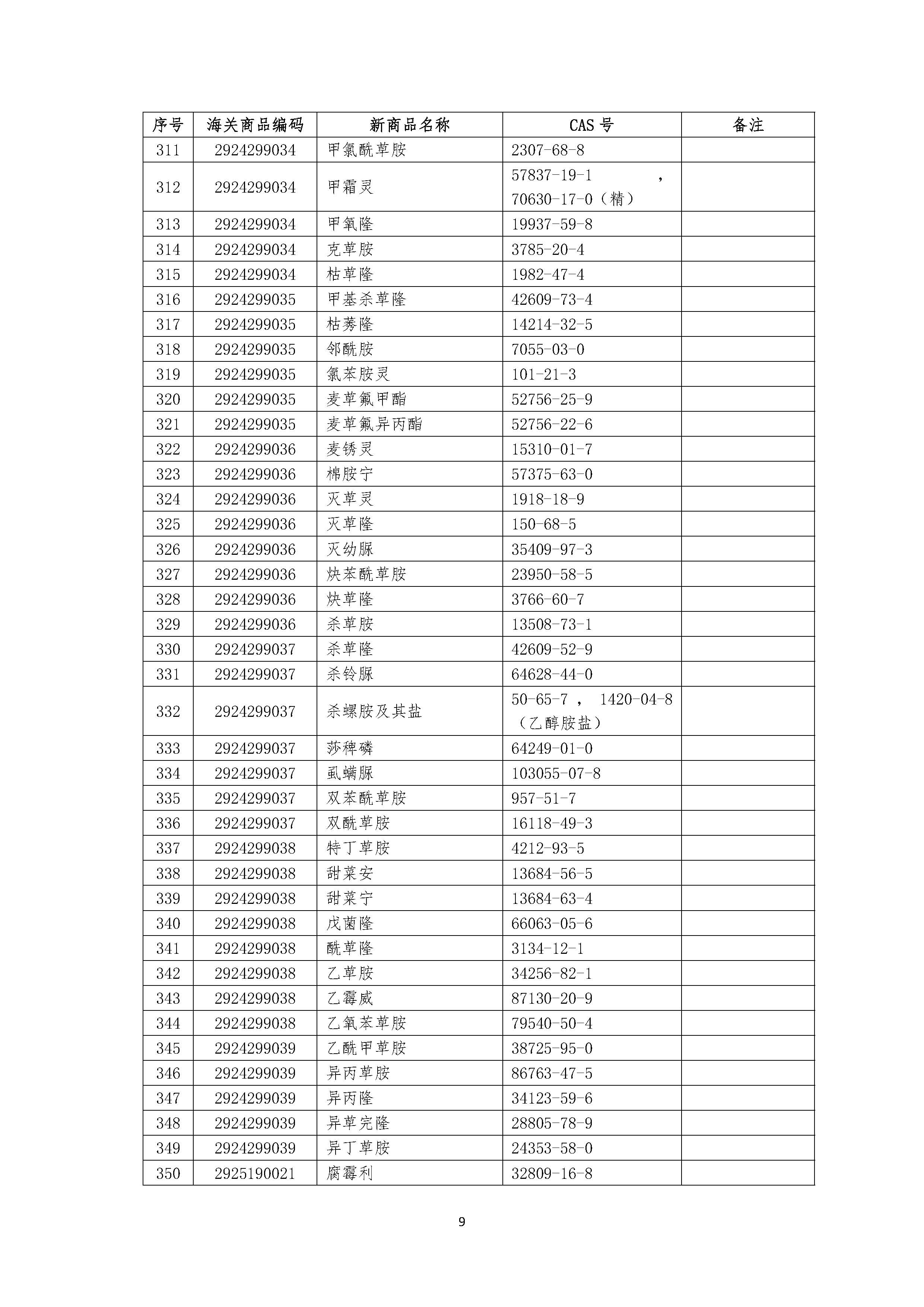
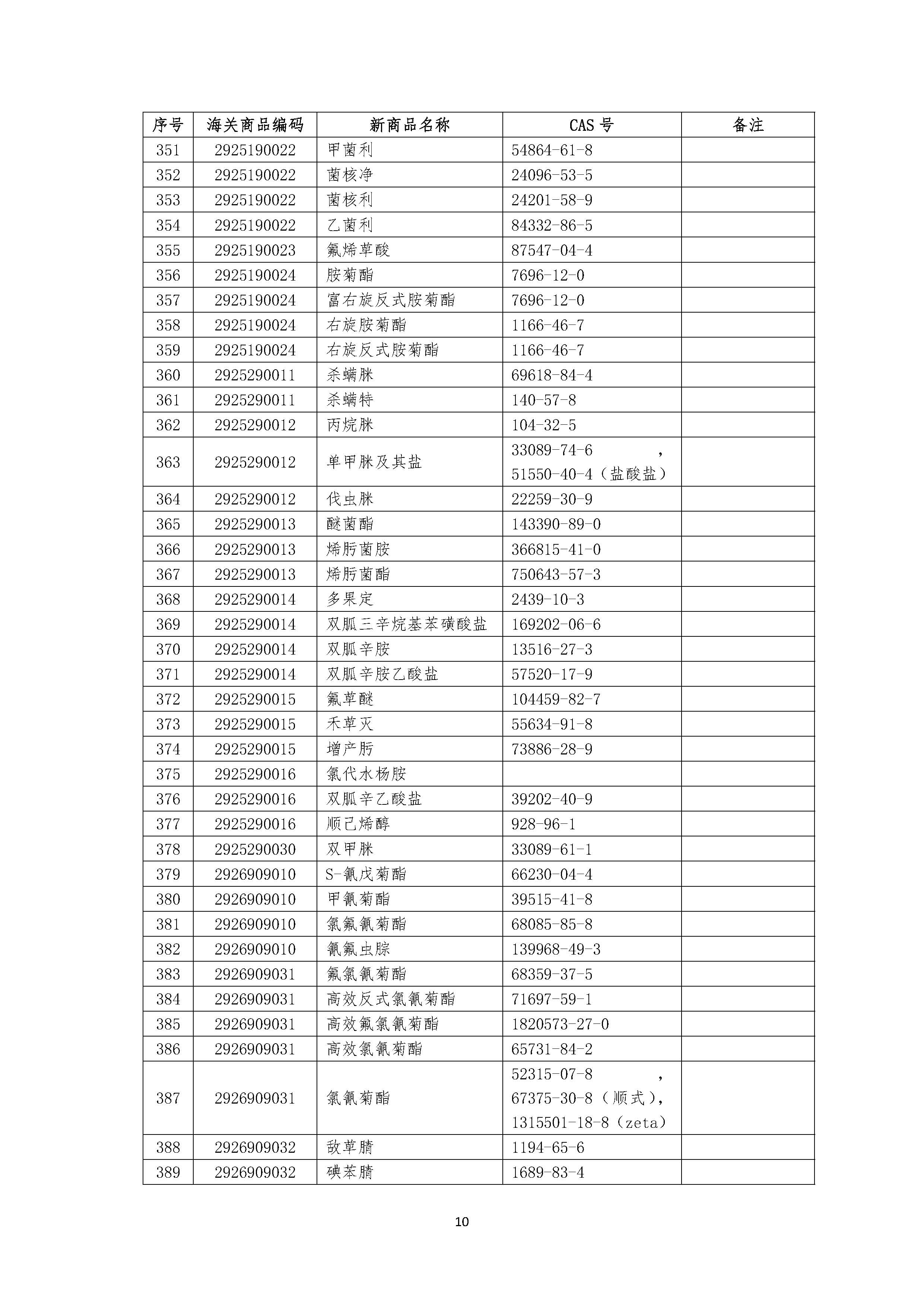
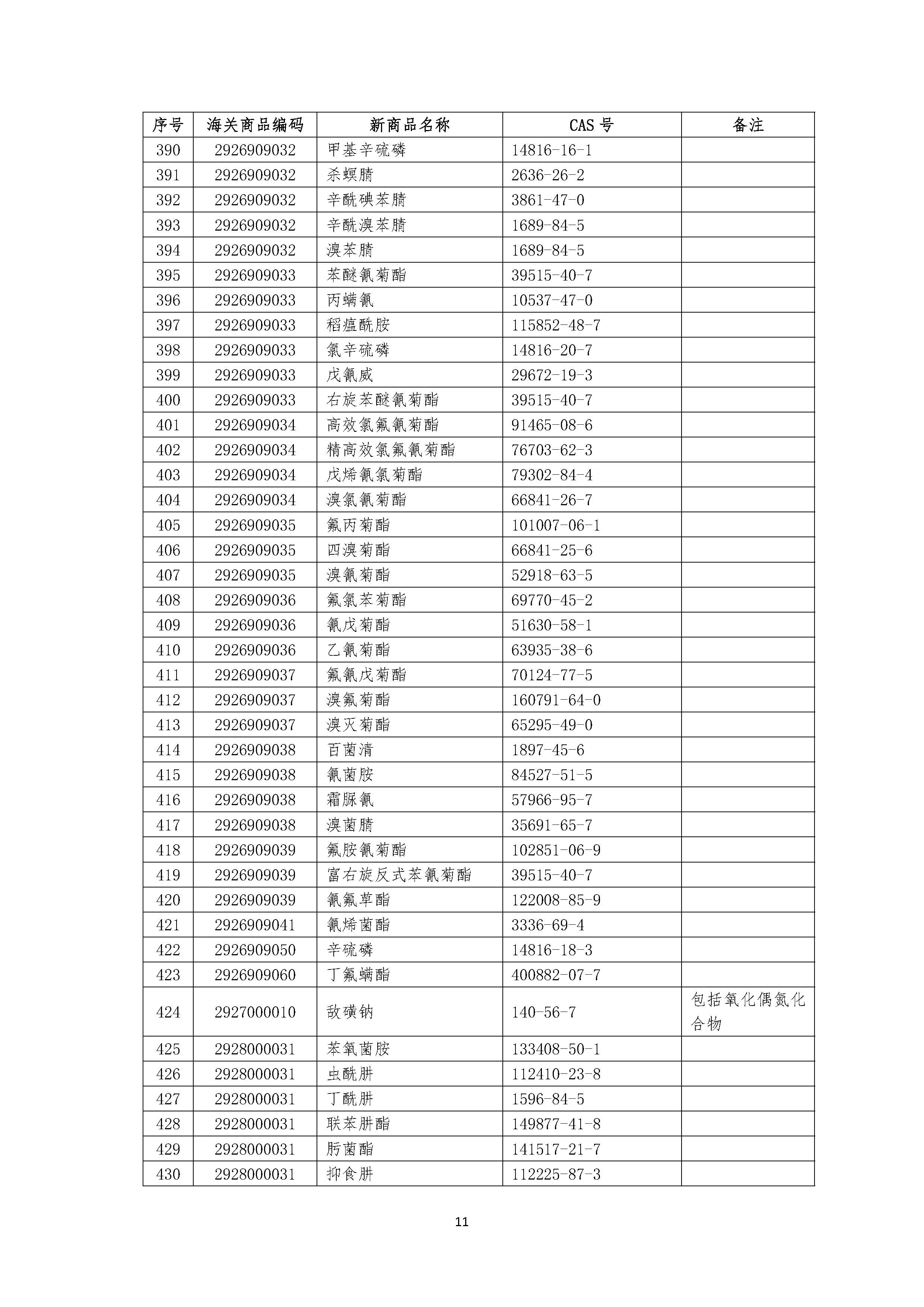
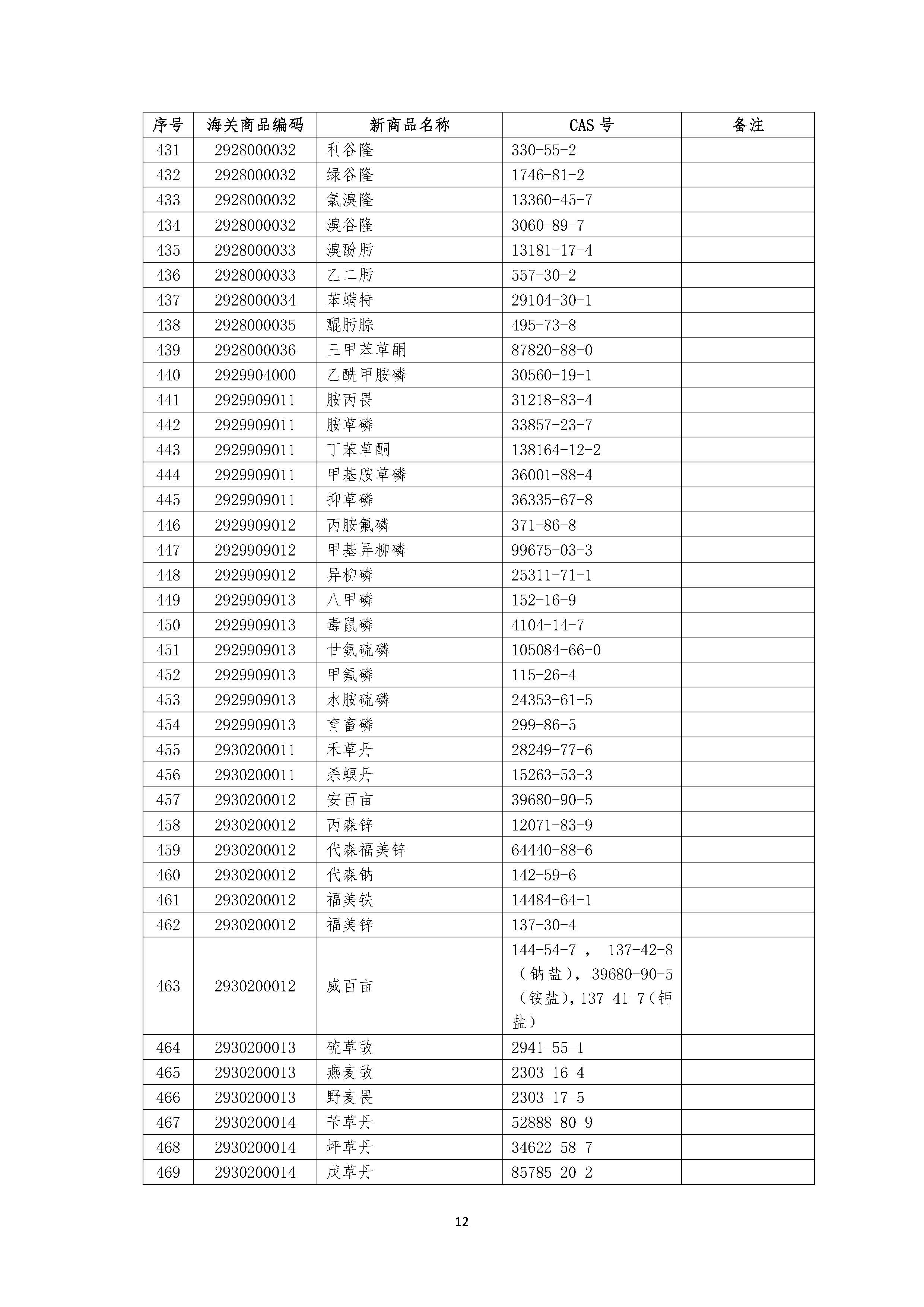
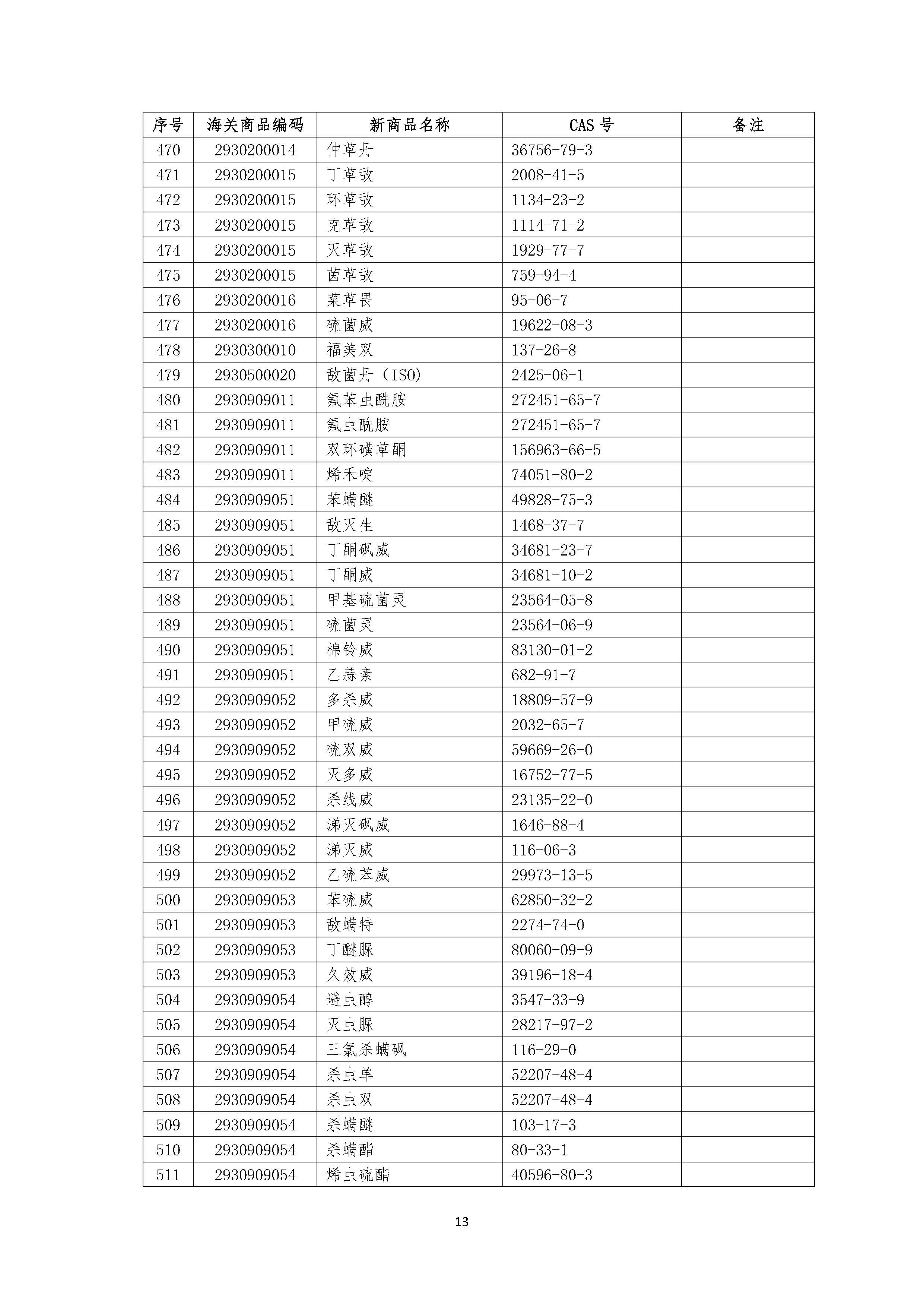
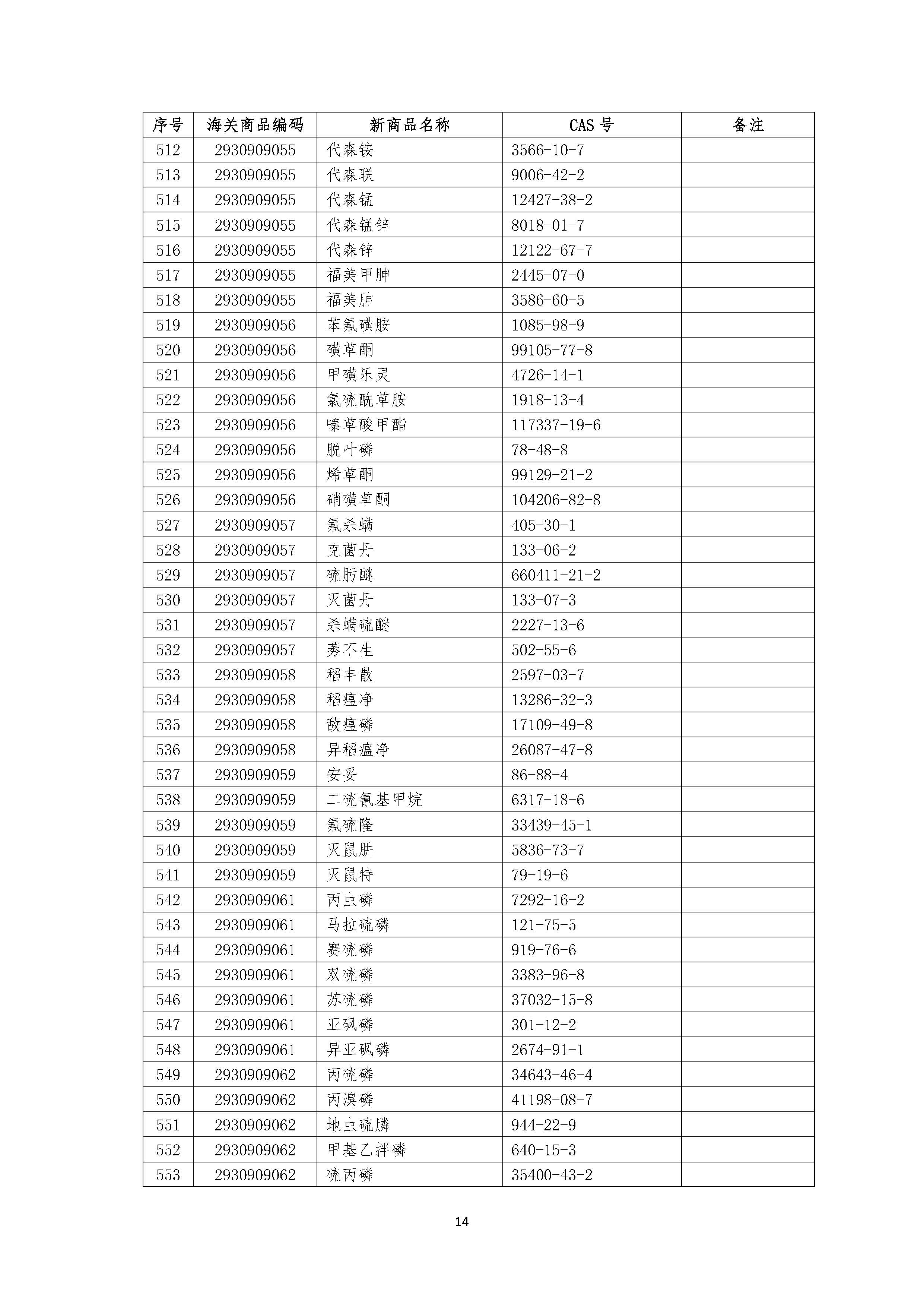
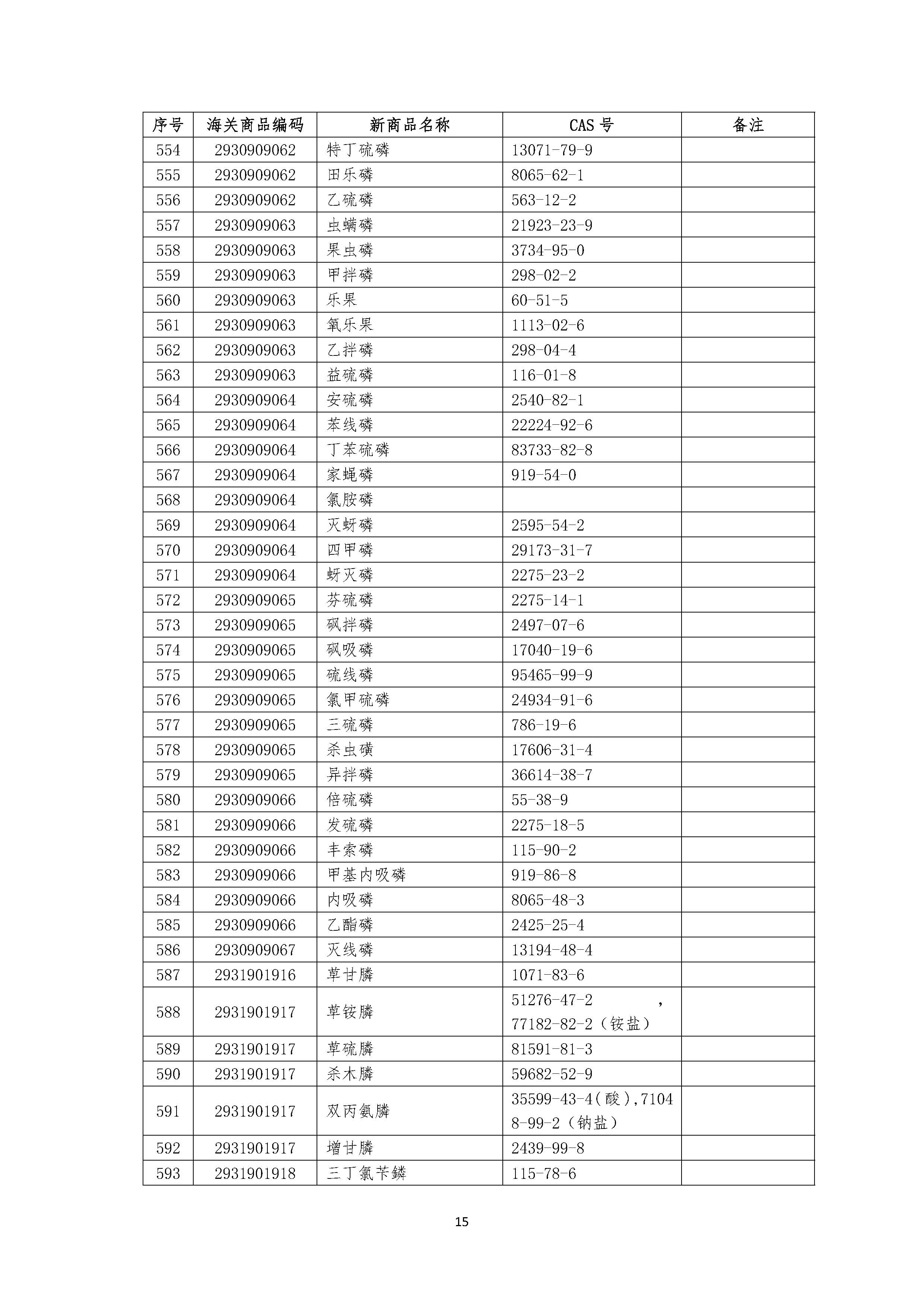
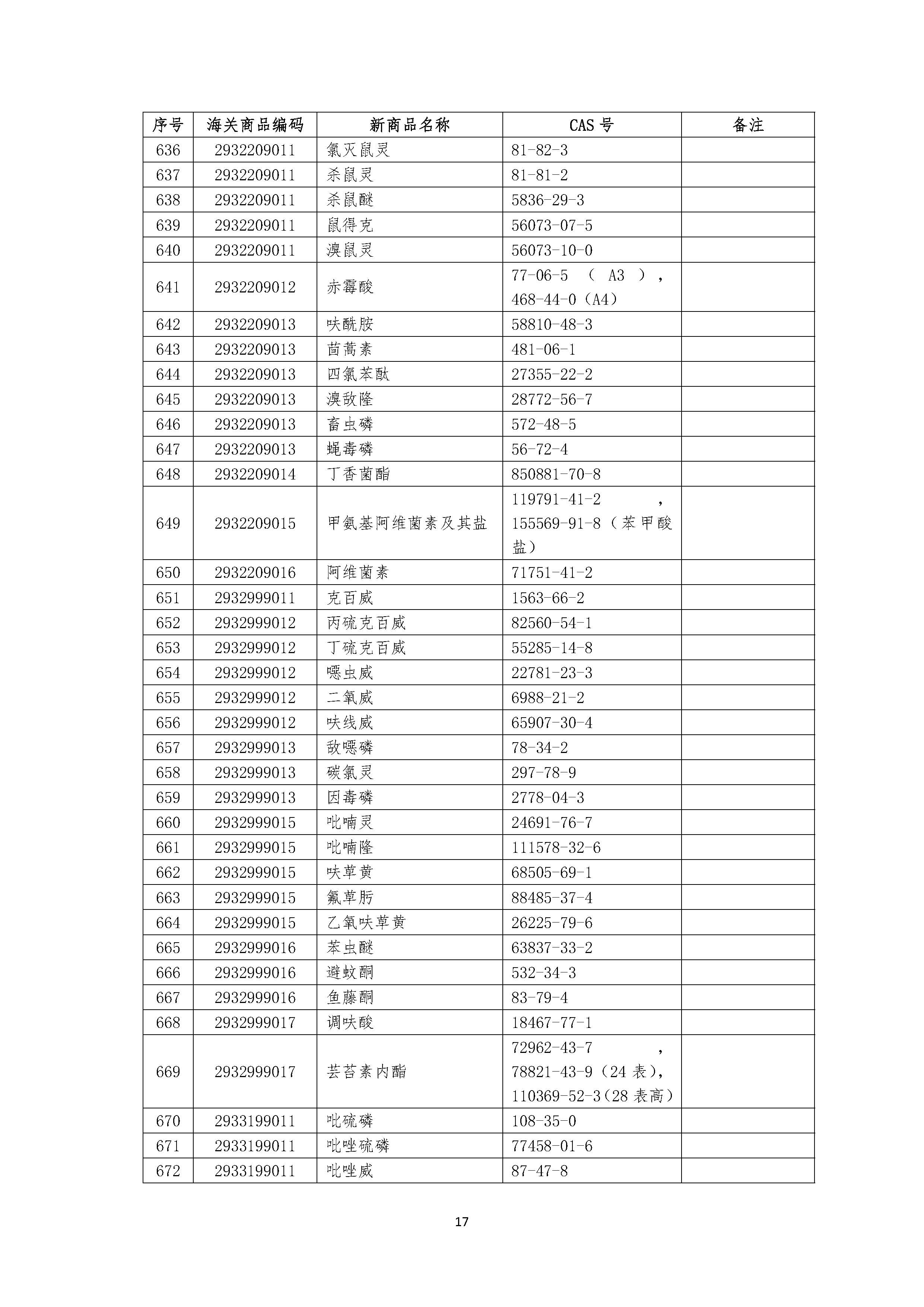
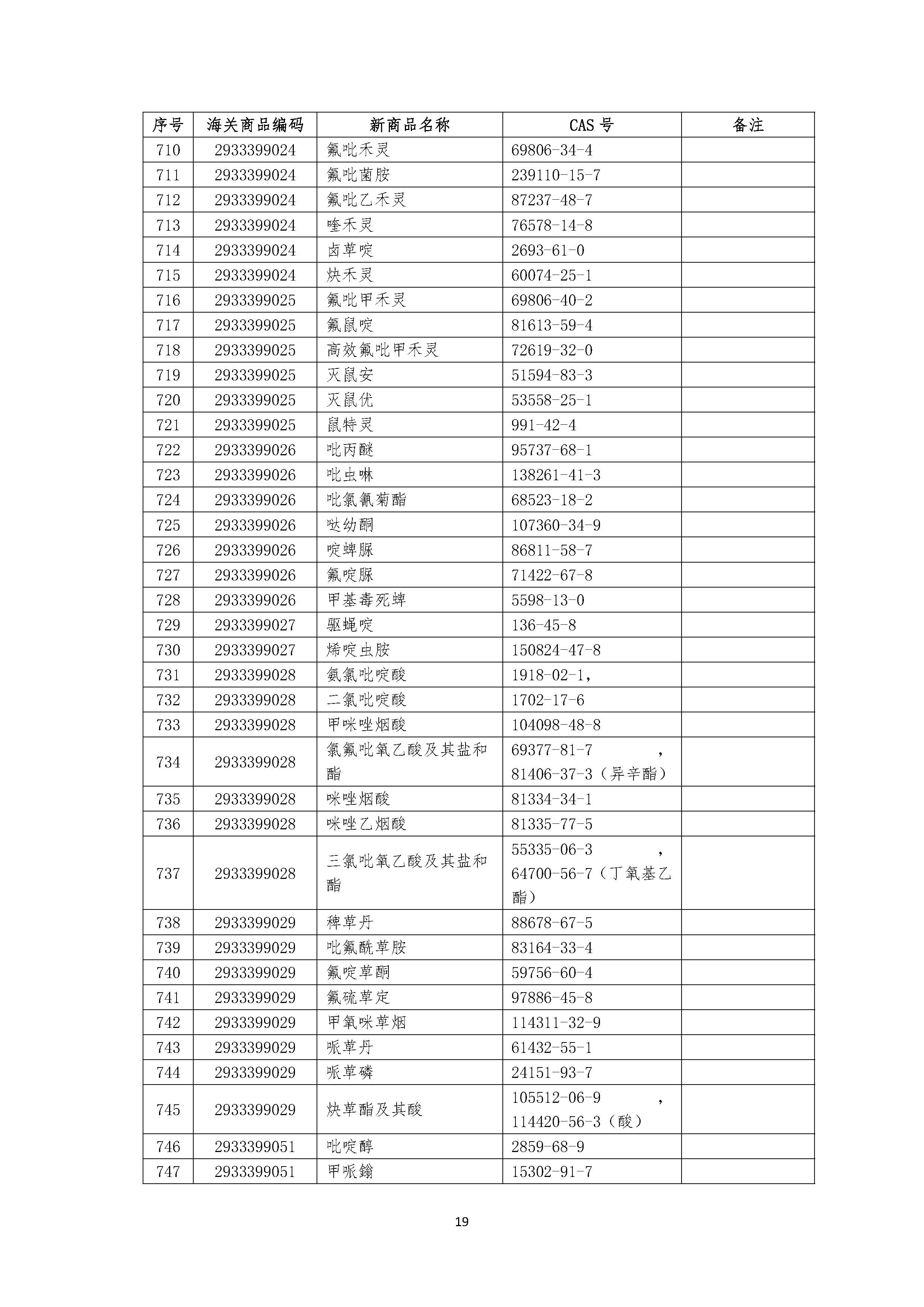
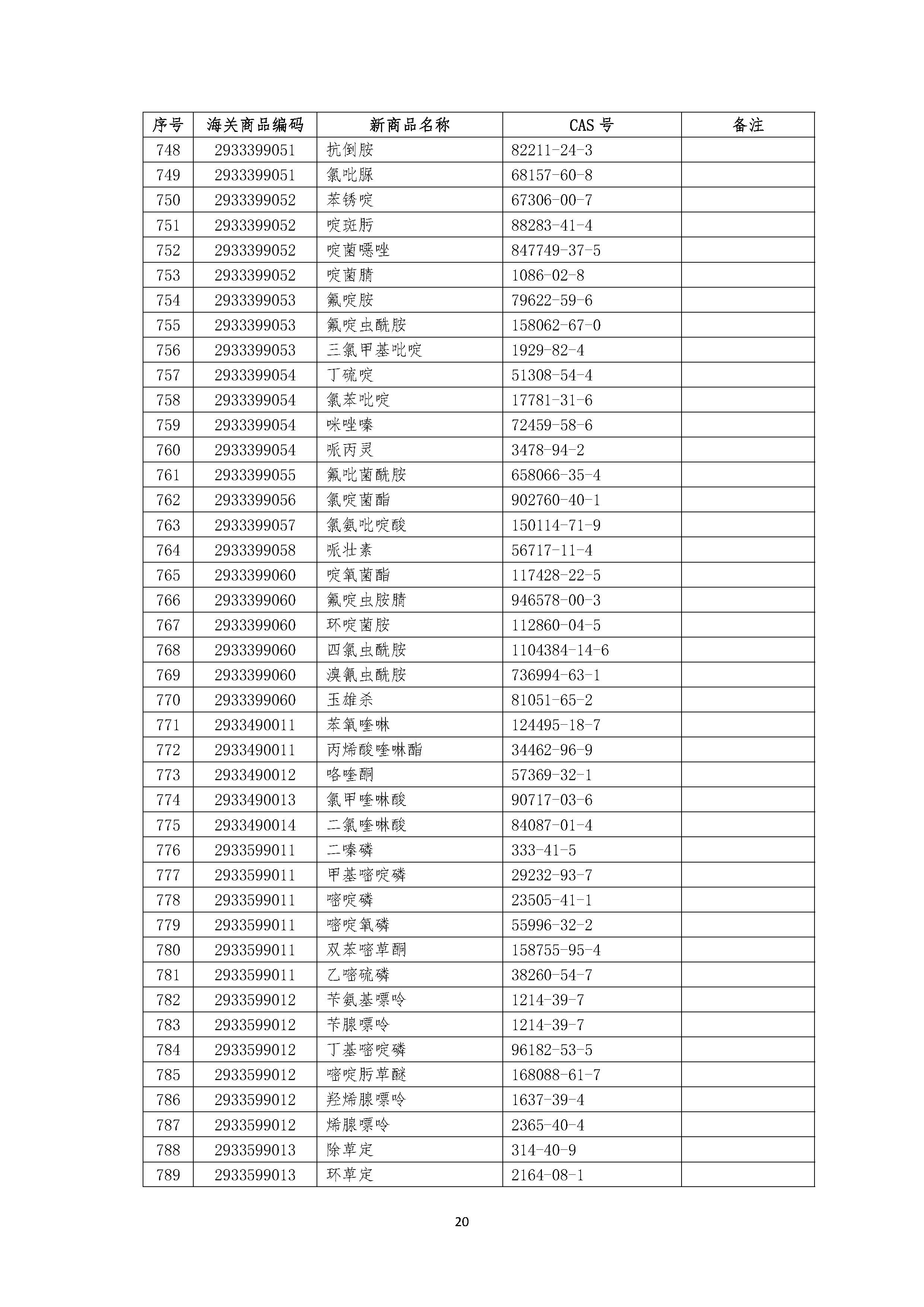
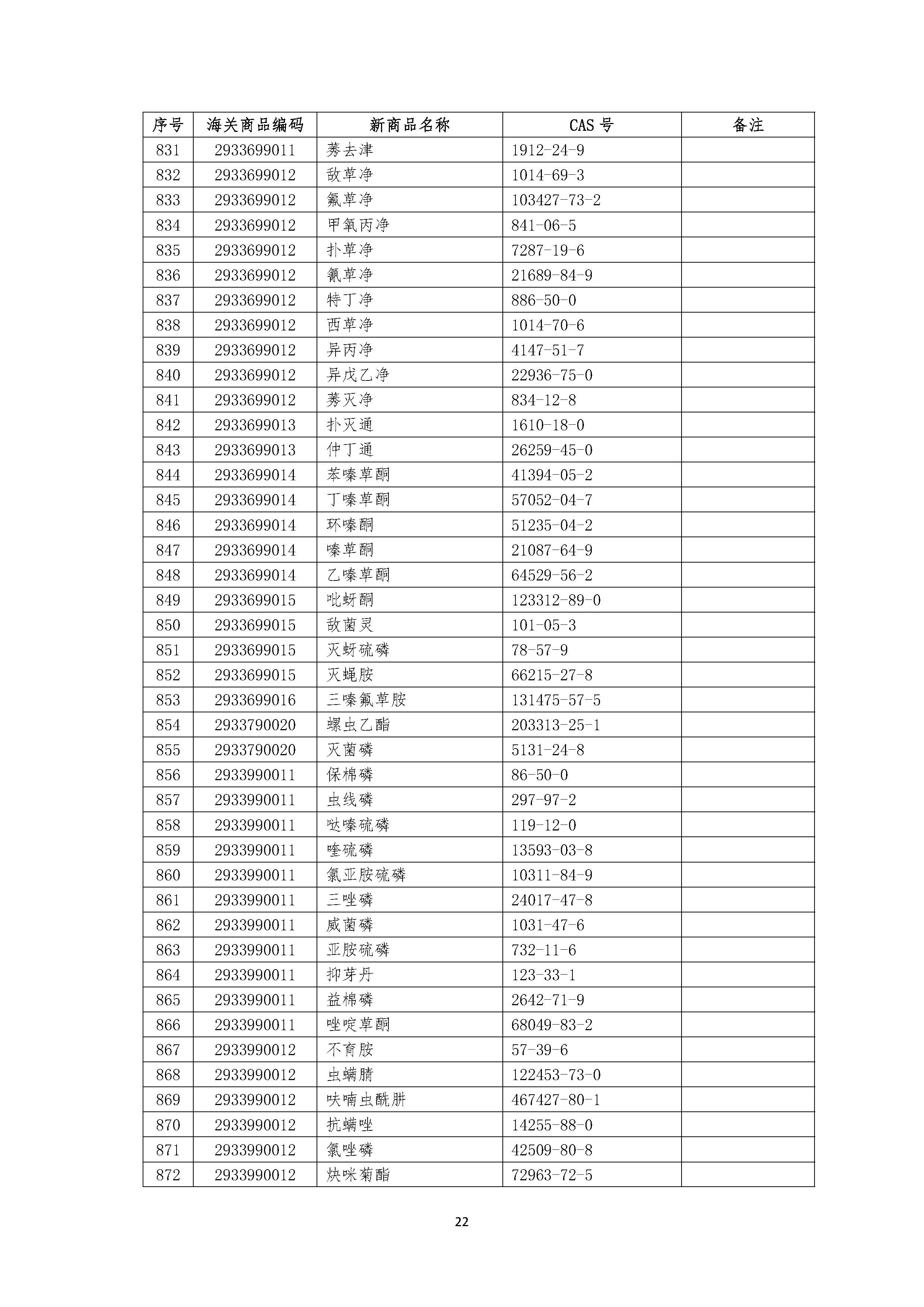
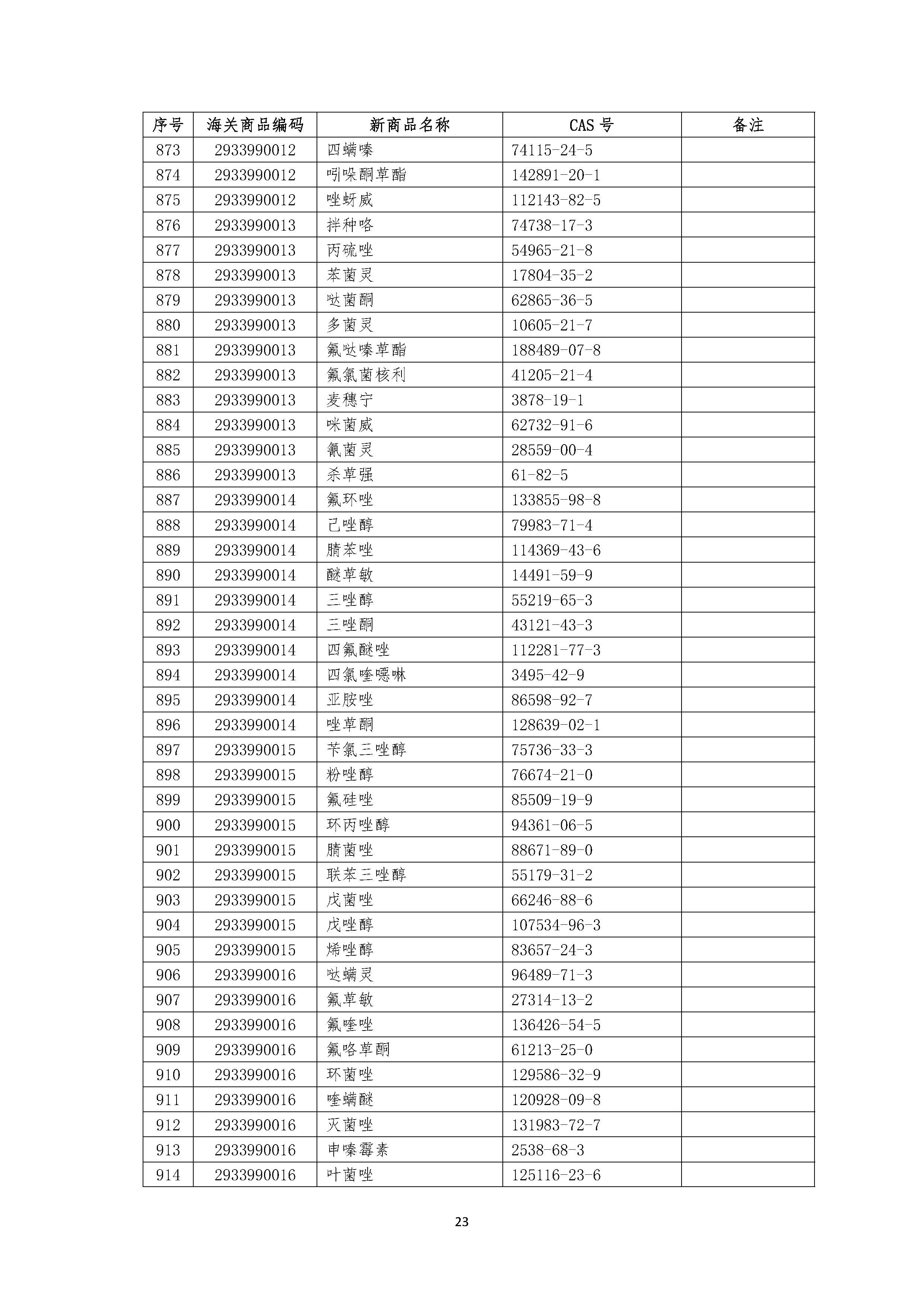
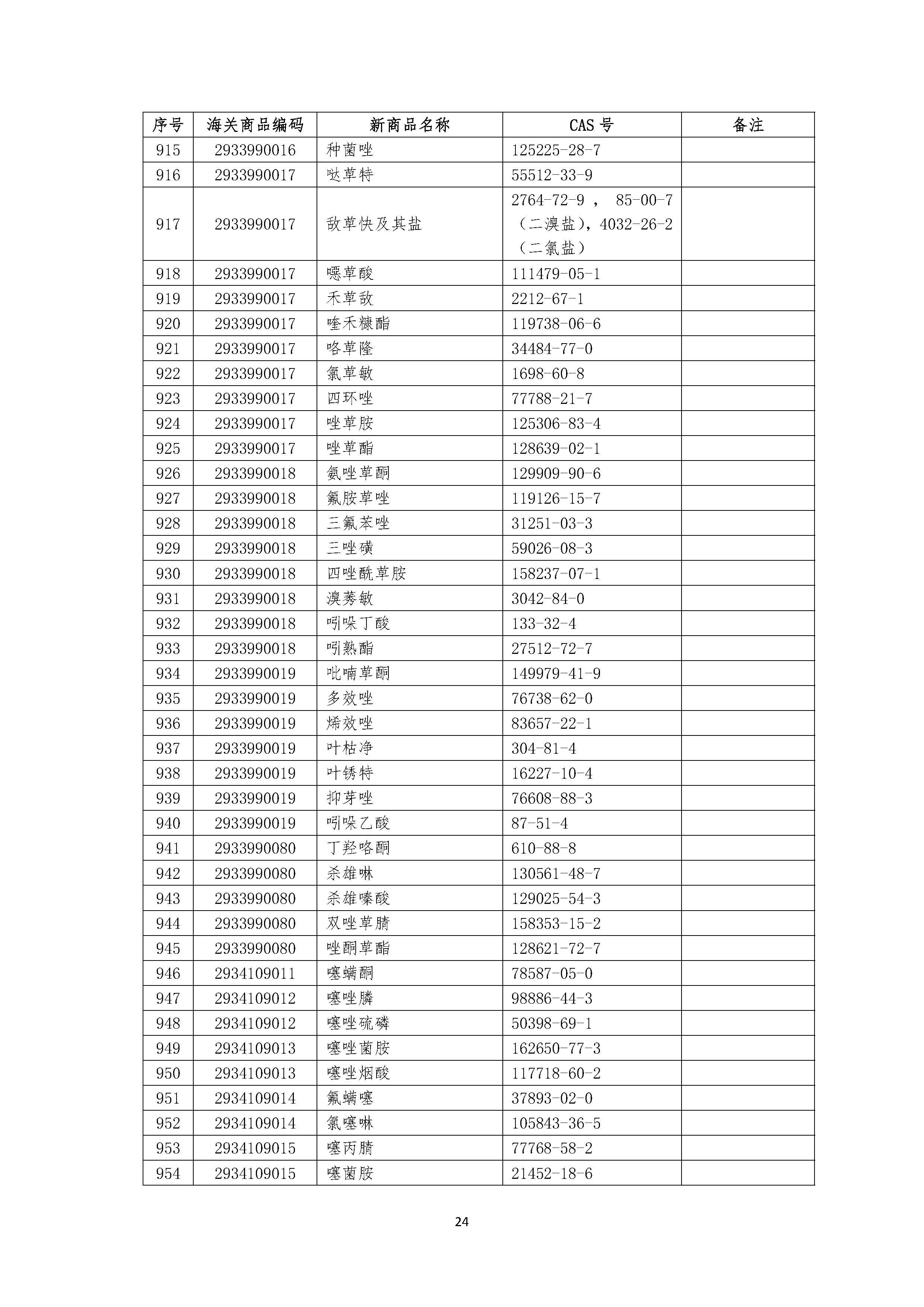
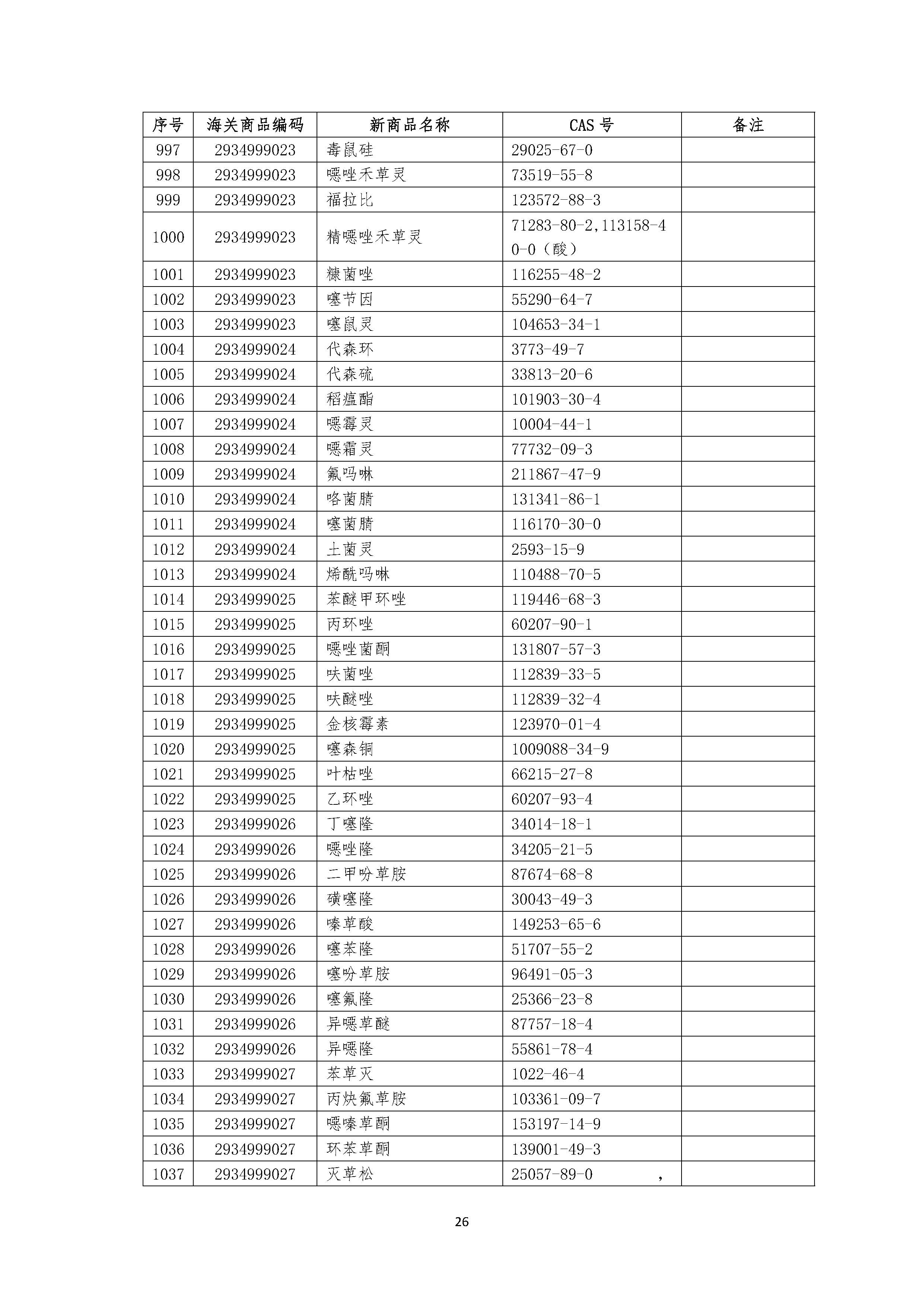
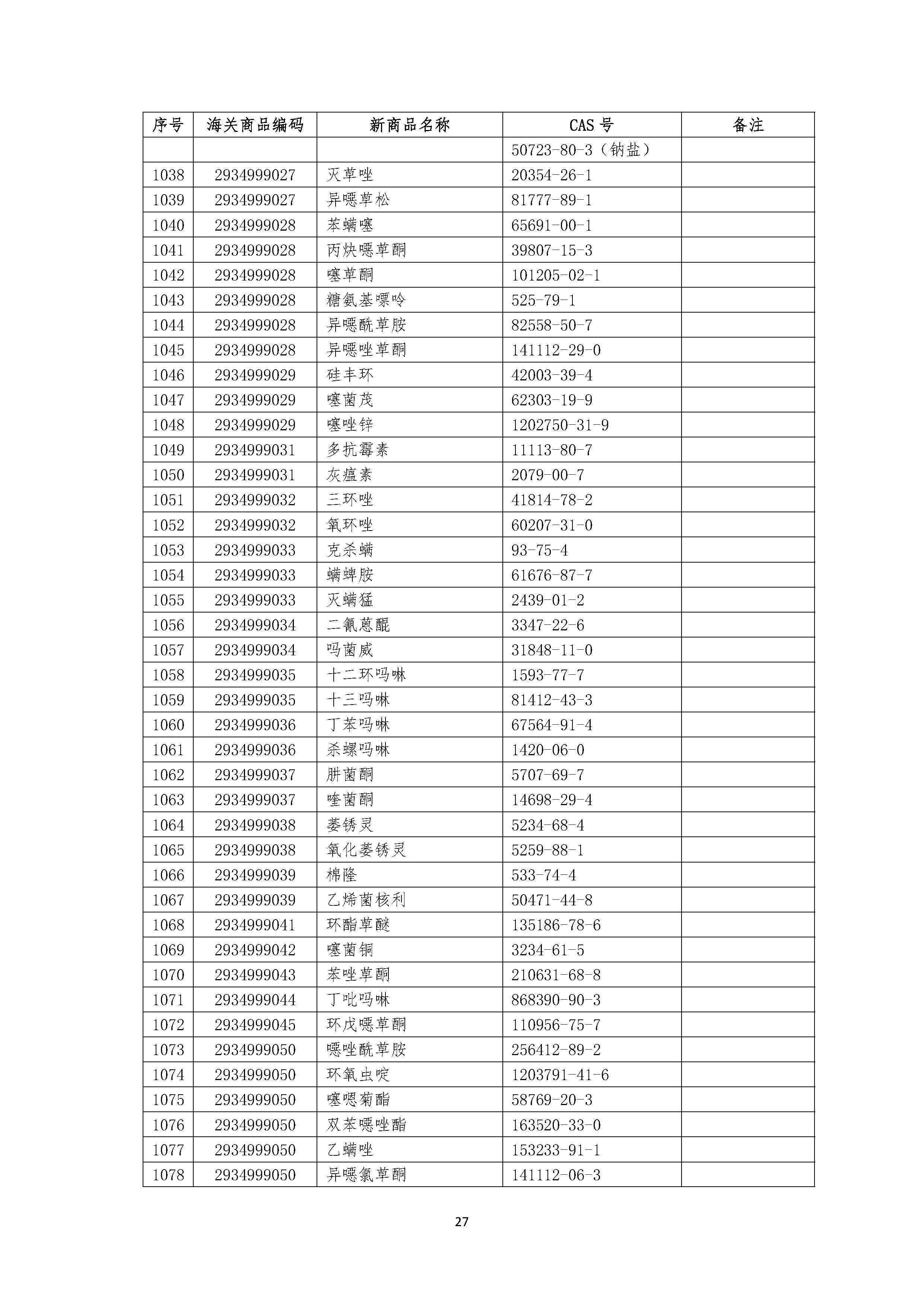
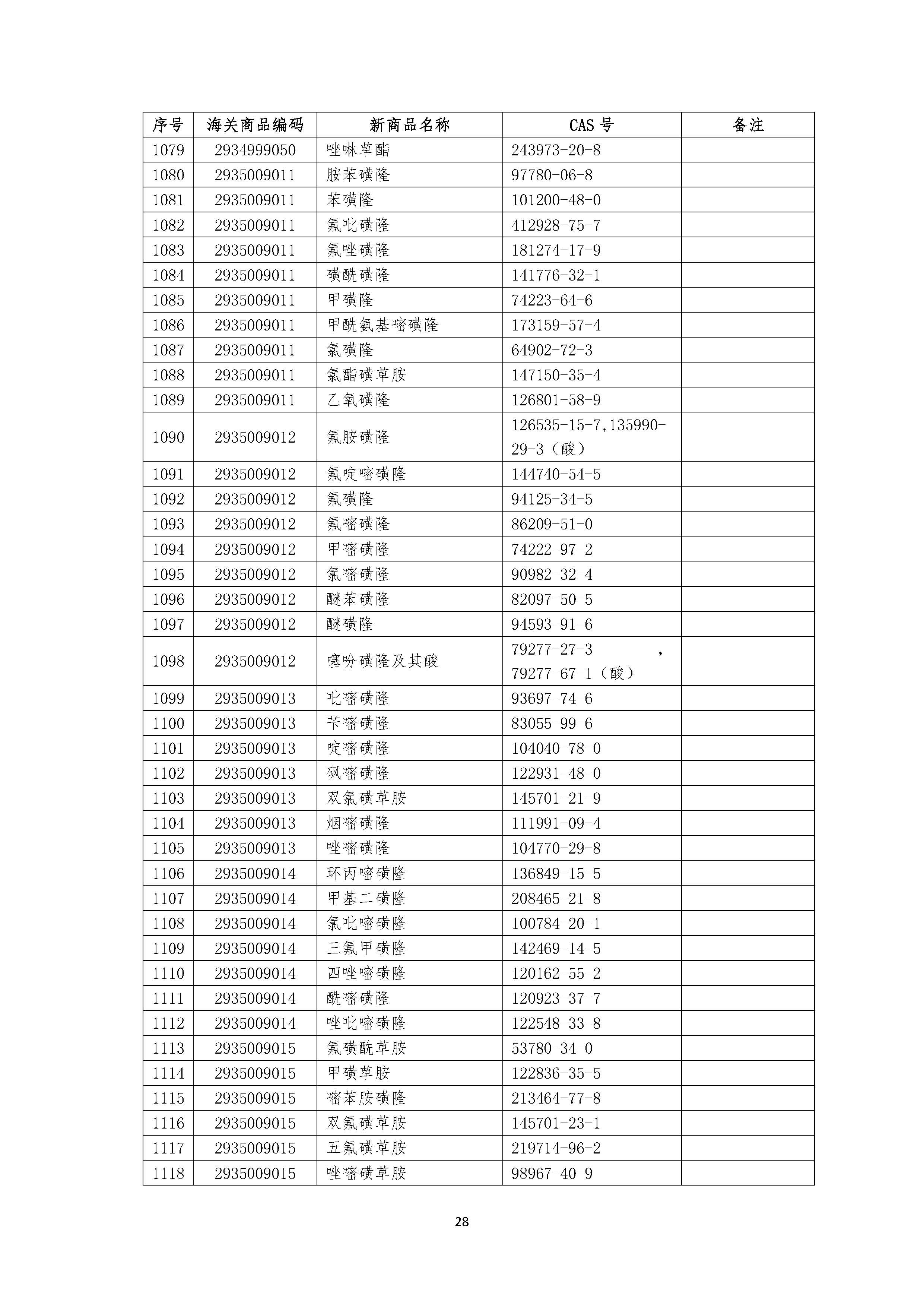
Attachment: Letter on Public Solicitation of Opinions on Measures for the Administration of Pesticide Import and Export Services Notice on Optimizing Import and Export Management Services (Exposure Draft) Attachment 1: Catalogue of Pesticides Subject to Import and Export Administration of the People’s Republic of China Attachment 2-1: Sample Pesticide Export Notification Form (omitted) Attachment 2-2: Sample of Pesticide Import Notification (omitted) Attachment 3: Pesticides Regulated under the Rotterdam Convention
Announcement of the Ministry of Agriculture and Rural Affairs and the General Administration of Customs (Draft for Public Comment) In order to implement the State Council’s spirit of the “delegation, regulation, and service” reform and the decisions and arrangements for stabilizing foreign investment and foreign trade, and to fulfill obligations under the Rotterdam Convention on the Prior Informed Consent Procedure for Certain Hazardous Chemicals and Pesticides in International Trade (hereinafter referred to as the “Rotterdam Convention”), facilitate pesticide import and export trade, and enhance customs clearance efficiency, in accordance with the relevant provisions of the Customs Law of the People’s Republic of China and the Regulations on the Administration of Pesticides, the Ministry of Agriculture and Rural Affairs and the General Administration of Customs hereby announce the following measures to optimize the management and services for pesticide import and export: |
|
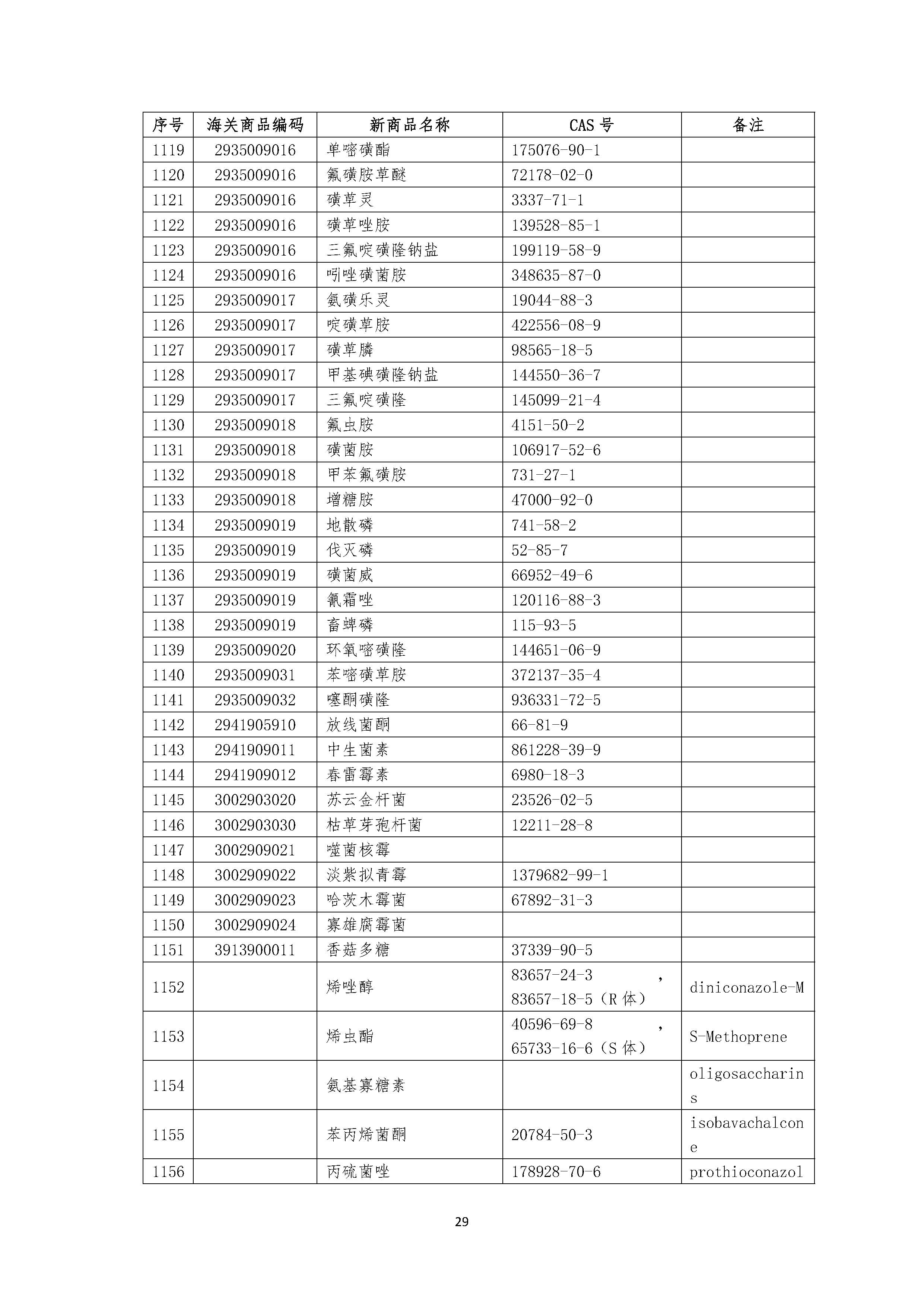
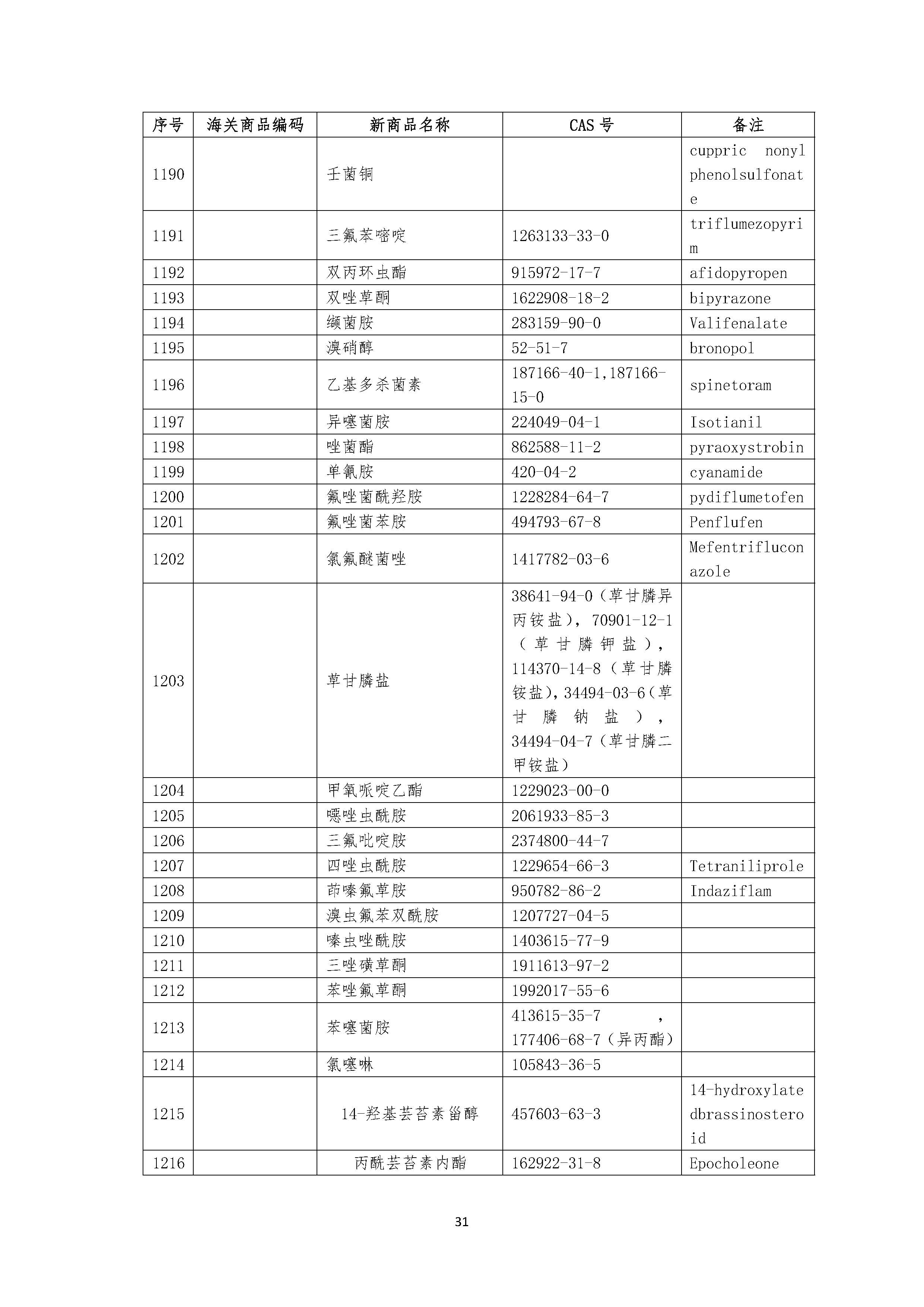
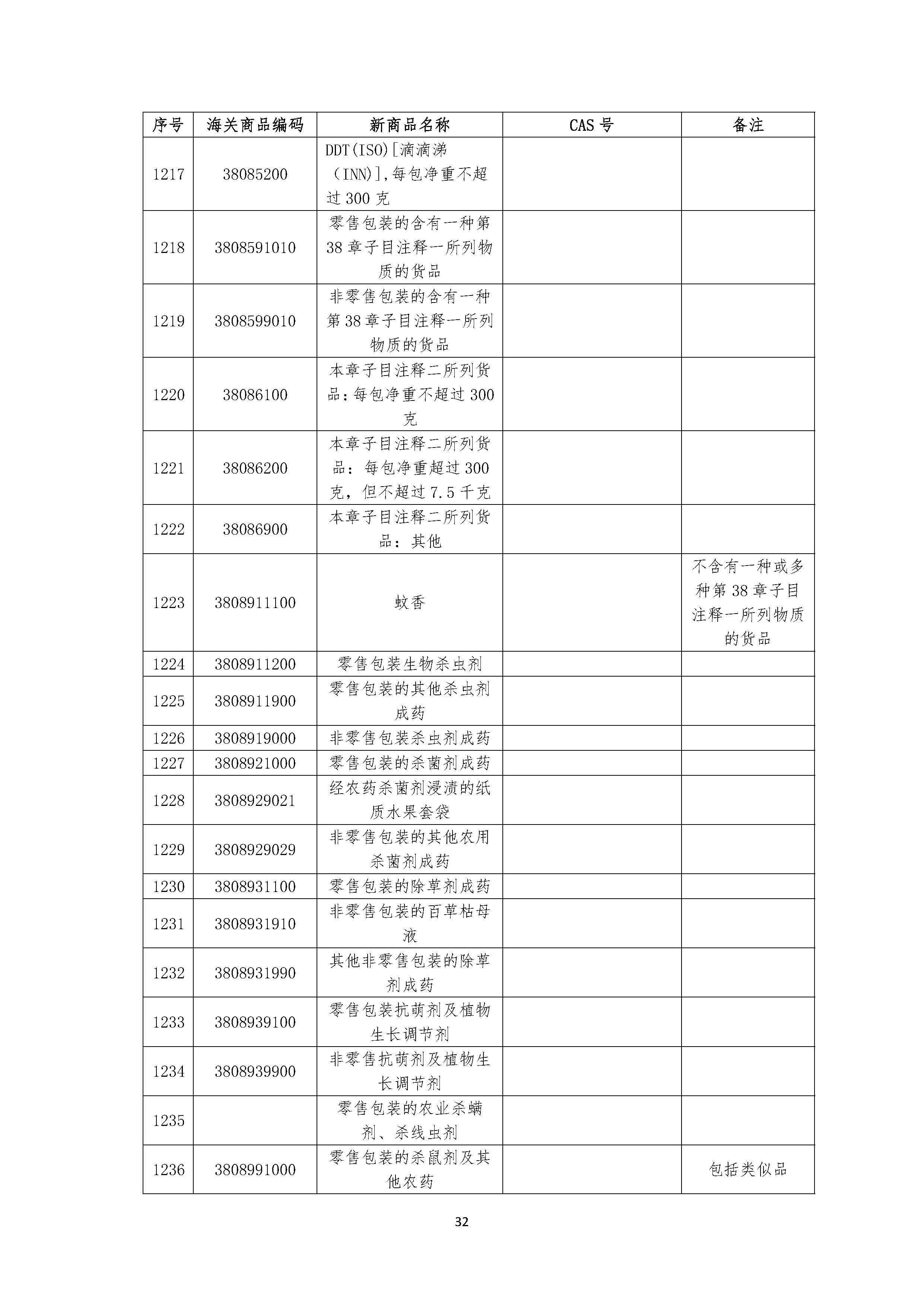
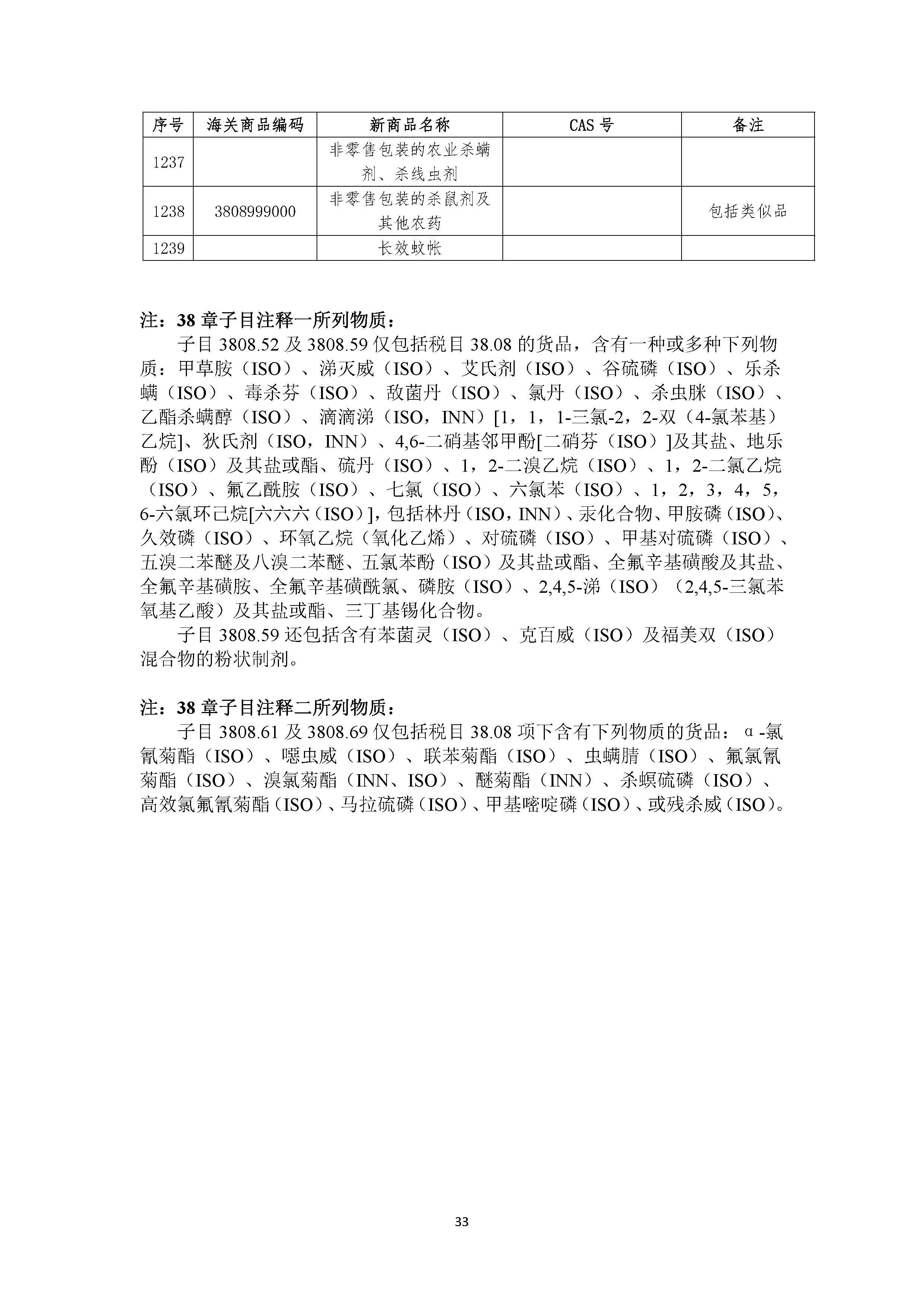
1. Pesticides imported or exported shall obtain an import‑export notification form and be managed in accordance with the “Catalogue of Pesticides Subject to Import and Export Administration of the People’s Republic of China” (hereinafter referred to as the “Catalogue”; see Annex 1). The Catalogue is jointly formulated by the Ministry of Agriculture and Rural Affairs and the General Administration of Customs and is revised and promulgated as appropriate.
II. Pesticides imported or exported must be registered in China. Entities engaged in the import and export of pesticides shall obtain the corresponding pesticide business license and register with the China International Trade Single Window (hereinafter referred to as the “Single Window”). http://www.singlewindow.cn) Apply online for the pesticide import and export notification form (see Attachment 2).
3. For enterprises exporting pesticides to China (hereinafter referred to as “pesticide registration certificate holders”) whose identity matches that of the overseas manufacturing enterprise, the pesticide import entity shall submit the pesticide registration certificate, the certificate of origin, and the pesticide quality assurance certificate through the Single Window for customs clearance. If the exporting enterprise differs from the overseas manufacturer, the pesticide import entity must also provide documentation demonstrating the affiliation between the exporting enterprise and the overseas manufacturer; such applications shall be processed through the Single Window upon confirmation by the Ministry of Agriculture and Rural Affairs.
For pesticide manufacturers engaging in self‑operated exports, they may proceed directly through the Single Window by presenting their pesticide registration certificate and pesticide production license. For pesticide trading enterprises exporting, an export authorization letter from the manufacturer must also be provided. In cases where a pesticide manufacturer entrusts another entity with processing, the processor’s pesticide production license and the processing agreement must likewise be submitted; such applications will be processed through the Single Window upon confirmation by the Ministry of Agriculture and Rural Affairs. Exports of pesticides registered solely for export purposes, as well as those subject to special management, shall be governed in accordance with relevant regulations.
4. Pesticides subject to the Rotterdam Convention’s regulatory regime (see Annex 3), including those listed in Annex III of the Convention as well as pesticide products, and also those pesticides that have been banned or strictly restricted in China, shall comply with the relevant procedures required by the Rotterdam Convention.
5. For special circumstances such as pesticide registration trials, scientific research, or inspection and testing that necessitate the import or export of pesticides, relevant documentation demonstrating the intended use shall be provided. Upon confirmation by the Ministry of Agriculture and Rural Affairs, the procedures shall be processed through the Single Window.
6. The Ministry of Agriculture and Rural Affairs conducts online review and verification of the information submitted by import and export entities; where the requirements are met, it transmits the electronic data of the pesticide import‑export notification to the customs authorities.
7. For the import and export of pesticides between customs special supervision zones such as bonded zones and export processing zones, and other areas within the territory, a pesticide import‑export notification form shall be obtained; for movements between such customs special supervision zones or bonded facilities and overseas destinations, no pesticide import‑export notification form is required; and for transfers among customs special supervision zones, export processing zones, or bonded facilities, no pesticide import‑export notification form is necessary.
8. Pesticide import and export notification forms shall be managed on a per‑batch basis: for each batch of pesticides imported or exported, one pesticide import/export notification form shall be processed, corresponding to one customs declaration form for import or export goods. The pesticide import/export notification form is valid for three months, and its expiration date shall not extend beyond December 31 of the current year.
9. Paperless customs clearance procedures shall be implemented for pesticide import and export notification forms. Customs will process clearance and release based on the electronic data of the pesticide import and export notification form, and no longer require submission of paper copies. However, in cases where review by Customs or other relevant authorities necessitates it, or due to malfunctions in computer management systems or network communications, the Ministry of Agriculture and Rural Affairs may issue a paper-based pesticide import and export notification form. Customs will verify the paper information and affix corresponding endorsements on the physical document.
10. The Pesticide Inspection Institute of the Ministry of Agriculture and Rural Affairs and the China Electronic Port Data Center are specifically responsible for the relevant operational tasks, with contact numbers 010-59194007 and 010-95198, respectively. This announcement shall take effect as of January 1, 2021. The “Notice on the Administration of Registration Certificates for Import and Export Pesticides” (No. 9 [1999] issued jointly by the former Ministry of Agriculture and the General Administration of Customs), as well as Announcements No. 1452 and No. 2203 of the Ministry of Agriculture and the General Administration of Customs, are hereby repealed simultaneously.
Attachment: 1. Catalogue of Pesticides Subject to Import and Export Administration of the People’s Republic of China 2-1. Sample of Pesticide Export Notification Form 2-2. Sample of Pesticide Import Notification Form 3. Pesticides Regulated under the Rotterdam Convention Ministry of Agriculture and Rural Affairs General Administration of Customs 2020 Year Month Day
|
|
Attachment 3 Pesticides Regulated by the Rotterdam Convention I. Pesticide active ingredients and pesticide products listed in Annex III of the Rotterdam Convention 2,4,5‑T and its various salts and esters; alachlor; aldicarb; aldrin; azinphos‑methyl; bifenazate; benomyl; carbofuran; chlordane; chlorpyrifos; dicofol; dieldrin; DNOC and its various salts (such as ammonium, potassium, and sodium salts); dinoseb and its salts and esters; 1,2‑dibromoethane (EDB); endosulfan; ethylene dichloride; ethylene oxide; pirimiphos‑methyl; hexachlorocyclohexane (mixed isomers); heptachlor; hexachlorobenzene; lindane; methamidophos; mercury compounds (including inorganic mercury compounds, alkylmercury compounds, and alkoxyalkyl- and arylmercury compounds); monocrotophos; parathion; pentachlorophenol and its salts and esters; phorate; toxaphene; trichlorfon; powdered mixtures containing the ingredients listed in parentheses (with benomyl at or above 7%, fenpropathrin at or above 10%, and mancozeb at or above 15%); phosphamidon (soluble liquid formulations with an active ingredient content exceeding 1,000 g/L); methyl parathion (emulsifiable concentrates with an active ingredient content of 19.5% or more, and dustable powders with an active ingredient content of 1.5% or more); all tributyltin compounds (including tributyltin oxide, tributyltin fluoride, tributyltin methacrylate, tributyltin benzoate, tributyltin chloride, tributyltin linoleate, and tributyltin cycloalkanoate).
(This list is dynamically updated in accordance with Annex III of the Rotterdam Convention.)
II. Pesticide varieties that have been banned or subject to strict restrictions in China 666, DDT, toxaphene, dibromochloropropane, chlordimeform, ethylene dibromide, chlorobenzilate, aldrin, dieldrin, mercury compounds, arsenic compounds, lead compounds, diquat, fluoroacetamide, monofluoroacetate, tetramine, sodium fluoroacetate, silico‑fluoroacetate, methamidophos, parathion, methyl parathion, monocrotophos, phosphamidon, fenamiphos, demeton‑S‑methyl, methyl cyclophosphamide, calcium phosphide, magnesium phosphide, zinc phosphide, sulfuryl fluoride, fly‑killing phosphorus, chlorpyrifos‑methyl, terbufos, chlorimuron‑ethyl, amidosulfuron, metsulfuron‑methyl, cacodylic acid, cacodylate, dicofol, lindane, endosulfan, methyl bromide, fipronil, malathion, paraquat, 2,4‑D butyl ester.
(This list is dynamically updated in accordance with national pesticide management regulations.) |
| Source: Pesticide Management Division, Ministry of Agriculture and Rural Affairs |






Tags:
More information
Contact Us
Address:
No. 1, No. 1, New District Road No. 1, Gaocheng District, Shijiazhuang City, Hebei Province
WeChat/WhatsApp:
Phone:
Email:
